I remember the shock I felt when I first noticed my dental implant’s healing cap was loose. It was late at night, and I was brushing my teeth before bed when I felt a strange wobbly sensation where my implant was supposed to be secure. Panic set in—was I doing something wrong? Was this a sign of failure? That moment was a wake-up call. It made me realize how crucial it is to understand what to do when your healing cap becomes loose, especially during the sensitive healing phase after a dental implant procedure.
Why a Loose Healing Cap Can Feel Like a Big Deal—and Why You Shouldn’t Ignore It
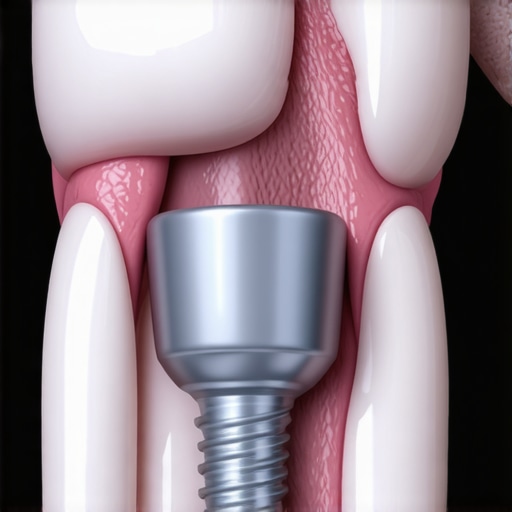
Dealing with a loose healing cap might seem like a minor issue, but it actually plays a vital role in the success of your dental implant. The healing cap covers the implant site and ensures proper healing, preventing bacteria from entering and protecting the underlying structures. If it becomes loose, it could expose your implant to infection or disrupt the healing process, potentially leading to complications that are far more serious.
From my personal experience, I initially thought I could wait it out or maybe tighten it myself—big mistake. Early on, I learned that attempting to fix it without professional guidance can do more harm than good. According to recent research, ignoring problems like a loose cap during healing can increase the risk of implant failure (source: Straight Smile Orthodontics).
Have You Faced This Problem Before?
If so, you’re not alone. Many people overlook this issue, assuming it’s just a small inconvenience. But understanding the why and how of handling a loose healing cap can save you time, money, and distress in the long run. Whether you’re just starting your recovery or are already experiencing this dilemma, this guide will help you navigate the situation with confidence and care.
Now that we’ve established why this matters, let’s dive into what you should definitely do—armed with knowledge—to ensure your implant heals properly and successfully. Ready to learn how to handle this common yet critical issue? Let’s get into the practical steps you need to take to protect your smile and your health.
Stabilize the Cap Quickly to Prevent Further Damage
When I encountered my loose healing cap, I immediately gathered my sterile gloves and gently rinsed my mouth with warm saltwater. This step reduces bacteria and clears debris around the implant area, making the next steps safer and more effective. Remember, never try to tighten a loose cap yourself, as this can cause more harm. Instead, focus on preventing dirt and bacteria from entering the site while seeking professional help.
Contact Your Dentist Promptly
The crucial next step is to reach out to your dental professional without delay. Use this contact form or call directly. Explain your situation clearly—mentioning that your healing cap is loose—and ask for an emergency appointment. Properly addressing the issue early ensures your implant continues to heal correctly and avoids potential complications like infection or failure.
Prepare for the Dental Visit
Before your appointment, keep the area as clean as possible. You can gently use a soft-bristled toothbrush to clean around the healing cap without disturbing it. Avoid any aggressive poking or attempting to tighten the cap yourself, as this could damage the implant. Bringing recent dental records and photos can also assist your dentist in assessing the situation more efficiently.
Professional Re-anchoring or Replacement
At the dental office, your dentist will evaluate the looseness of the cap. If it’s only slightly loose, they may re-tighten or cement it back into place using specialized materials designed for implant healing. If the cap is damaged or lost, your dentist might replace it with a new one. This process is comparable to replacing a worn-out door seal—it’s essential to restore the barrier that protects your implant during healing.
Post-Procedure Care to Secure Your Implant’s Success
After fixing the healing cap, your dentist will likely recommend specific care routines. Maintain excellent oral hygiene by gently rinsing with recommended antiseptic mouthwashes, like chlorhexidine, to keep bacteria at bay. Avoid eating hard or sticky foods that could dislodge the cap again. Think of it like a delicate construction project—you need to protect your work until it’s fully set, which may take several weeks.
Monitor and Follow Up
Stay vigilant for any signs of discomfort, swelling, or re-loosening. Regularly schedule follow-up appointments, which your dentist will want to monitor to ensure proper healing. These visits act as checkpoints, similar to routine inspections that catch potential problems early—saving you from more complex and costly repairs later.
by maintaining strict oral hygiene, staying in close contact with your dental team, and avoiding temptations to adjust the cap yourself, you help create the optimal environment for successful implant healing. Always remember, every action you take with care and professional guidance increases the likelihood of a long-lasting smile.
 Many people assume that all dental treatments are straightforward, but in reality, there’s a lot more beneath the surface. For instance, a widespread misconception is that veneers are a quick fix for teeth whitening, when in fact, they require careful planning and understanding of your bite and oral health to avoid issues like uneven wear or undue stress on adjacent teeth. To truly benefit from veneer treatments, it’s essential to understand the differences between veneers and crowns; the latter are more durable and suitable for extensive restorations, but often get lumped together by patients unfamiliar with their distinct roles (Learn more about veneers vs. crowns).
When it comes to dental implants, many believe that they are a one-size-fits-all solution, but the success rate hinges on factors like bone density, gum health, and proper placement. Overlooking these nuances can lead to implant rejection or failure, emphasizing the importance of consulting specialists who use cutting-edge techniques, such as 3D imaging and computer-guided placement (Discover the latest in dental implant tech).
In cosmetic dentistry, a common trap is the obsession with superficial aesthetics without addressing underlying issues like occlusion or TMJ disorders. Achieving a harmonious, functional smile demands a comprehensive approach that considers bite mechanics, jaw alignment, and the health of surrounding tissues. Many patients aim for perfect white teeth but overlook that overly aggressive whitening can weaken enamel, leading to sensitivity or even long-term damage (Read about whitening pitfalls).
Have you ever fallen into this trap? Let me know in the comments. Recognizing the nuances and common myths in family and cosmetic dentistry can help you make more informed decisions, ultimately leading to healthier, more beautiful smiles.
How do I keep my dental work functioning smoothly over time?
Maintaining the longevity of family dentistry, veneers, dental implants, and other cosmetic procedures requires the right tools and consistent habits. Personally, I rely on advanced ultrasonic toothbrushes, like the Philips Sonicare DiamondClean, which I find effective at removing plaque without damaging delicate restorations. This device utilizes high-frequency vibrations to clean hard-to-reach areas, ensuring my veneers stay bright and my implants free of bacteria. Using such technology improves long-term outcomes because it preserves the integrity of your dental work, reducing the risk of decay or gum disease that could compromise your investment.
Beyond devices, routine check-ups are essential. I schedule professional cleanings every six months, during which my hygienist uses specialized tools like ultrasonic scalers that remove tartar more efficiently than manual instruments. These tools, paired with proper brushing and flossing techniques, can significantly extend the lifespan of dental restorations and prevent costly repairs. It’s crucial to replace your toothbrush head every three months, as worn bristles lose their effectiveness—something I emphasize to my patients to maintain optimal oral hygiene.
When it comes to software and digital tools, I recommend using a comprehensive dental app like Dentiq. It helps track your appointments, set reminders for oral care routines, and store images of your progress over time. This proactive approach keeps you engaged and informed about your oral health journey, making it easier to detect issues early and maintain your smile’s beauty and function. The future of dental maintenance is moving toward AI-powered diagnostic tools that can flag potential problems before they become noticeable, further safeguarding your investment in cosmetic and restorative work.
Scaling these practices involves integrating advanced imaging techniques such as 3D cone-beam CT scans. These allow your dentist to monitor bone levels and implant stability with precision, guiding maintenance and re-treatment plans. I’ve personally found that combining high-quality tools with regular professional assessments delivers the best results, ensuring my smile remains healthy and beautiful for years.
What about long-term results with veneers and implants?
Long-lasting veneers and dental implants benefit greatly from a tailored maintenance routine. For veneers, avoiding abrasive toothpaste and excessive grinding helps prevent chipping or surface wear. Using a nightguard if you grind your teeth can protect these restorations, which I recommend based on current research in cosmetic dentistry (check out expert tips for veneers). For implants, maintaining healthy gums through interdental brushes designed for implant care keeps the surrounding tissue strong. Regular use of antimicrobial mouthwashes like chlorhexidine can also reduce bacterial buildup around implants, prolonging their lifespan.
In the coming years, advancements such as smart dental implants embedded with sensors might alert you and your dentist when maintenance is needed, ensuring your oral appliances continue to serve you effectively. Until then, integrating effective tools and consistent professional care remains the key to sustained success.
Try this tip today
For a quick upgrade, switch to an ultrasonic toothbrush with a pressure sensor—that way, you prevent excessive force that can damage veneers or implant crowns. It’s a small change that can make a significant difference in your long-term dental health. Keep your tools in top shape, stay proactive with regular check-ups, and your smile will reward those efforts for years to come.

Image prompt: A close-up of an ultrasonic toothbrush with a digital display showing gentle cleaning mode, highlighting advanced dental tools for long-term maintenance.
How My Silver Bullet Became My Wake-Up Call
I realized that overlooking small signs like a loose healing cap could jeopardize years of work on my smile. The lesson was clear: never dismiss these signals—early action and professional guidance are your best allies in ensuring durable, beautiful results.
My Mistake: Attempting DIY Fixes That Weren’t Worth It
I once tried to tighten my healing cap myself, thinking I could save a trip to the dentist. The result was a setback that taught me the importance of leaving delicate adjustments to the experts. Trusting your dental team and understanding their role can prevent unnecessary complications.
Why I Now Focus on Preventive Measures
Preventing issues like a loose cap starts with diligent hygiene and regular check-ins. Embracing advanced tools like ultrasonic toothbrushes and scheduled professional cleanings has made a significant difference in my long-term implant health. Small daily habits compound into lasting benefits.
The Power of Staying Informed About Cutting-Edge Technologies
Learning about innovations such as 3D imaging and computer-guided implant procedures has reshaped my perspective on dental care. Being an informed patient allows me to engage actively in my treatment plan, leading to more predictable and satisfying outcomes. Dive into resources like the future of dental implants to see how tech is transforming care.
Curated Tools That Transformed My Approach
My go-to tools include ultrasonic scalers for professional cleanings, antimicrobial mouthwashes for maintenance, and smart apps to track my appointments. These resources have empowered me to take ownership of my oral health and trust in my dentist’s recommendations. Explore options like comparing veneers and crowns to understand their roles better.
Your Smile Journey Starts Now—Don’t Wait
Remember, every small step toward proactive dental care builds a foundation for a lifetime of confidence and health. Embrace progress, seek expert advice, and stay curious about emerging innovations. The future of family dentistry, veneers, and implants is bright when you’re committed to your own well-being.
What challenges have you faced with maintaining your dental work, and how did you overcome them? Share your experiences below—your story might inspire someone else to take action!