I remember the moment vividly—lying in bed with my jaw swollen to the point where I couldn’t even close my mouth properly. It’s a sensation that hits hard—shock, frustration, and a twinge of panic. I had neglected to follow the best post-op practices, and the swelling became a mini horror show. Sound familiar? If you’ve recently undergone wisdom tooth extraction, you know exactly what I mean. That alarming puffiness can turn what should be a simple recovery into a prolonged nightmare.
Why Swelling After Wisdom Teeth Removal Can Feel Like a Nightmare
Swelling is a natural part of your body’s healing response, but when it gets out of control, it can cause pain, discomfort, and even breathing issues in extreme cases. For me, the swelling was not just about appearance—it affected my ability to eat, speak, and sleep. I wondered, “Is there a way to prevent this from turning into something worse?” Luckily, I discovered some simple yet effective strategies that can make a massive difference. Today, I want to share those with you, so you don’t have to go through what I did.
Is Swelling Out of Control Really Worth Worried About?
Early in my recovery, I made a mistake that I thought was harmless—ignoring the importance of ice packs and a proper diet. I didn’t realize that slacking on these could lead to double the swelling and prolonged pain. Trust me, if I had known how critical these steps were, I would have acted differently. If you’re skeptical about whether swelling can be so manageable, consider this: proper post-op care can reduce swelling by as much as 50%. For more on how cutting-edge techniques are improving comfort during dental recovery, you might want to check out this article.
So, what exactly will we cover today? Well, I’ll walk you through the precise steps I took—and still do—to keep swelling in check, avoid unnecessary complications, and speed up my healing process. Because nobody wants their recovery to feel like a scene out of a horror movie, right?
Ready to learn how to keep your post-extraction swelling manageable and even minimal? Let’s dive in.
Stick to Cold Therapy Religiously
Immediately after your procedure, I learned that applying ice packs was non-negotiable. For my own experience, I wrapped a cold pack in a thin towel and pressed it gently against my cheek for 15-minute intervals, followed by 15-minute breaks. This method constricted blood vessels, reducing swelling and numbing pain. Make it a routine—skip it, and you’ll likely see increased puffiness.
Elevate Head During Rest
Gravity plays a surprisingly big role. Elevate your head when lying down by using two or three pillows. I made the mistake of sleeping flat for the first night; the swelling doubled overnight. Elevation helps prevent fluid accumulation around the surgical sites, keeping swelling at bay and promoting smoother healing.
Follow a Soft, Nourishing Diet
Hard foods are tempting but deadly—think of your mouth as a fragile construction zone. I stuck to smoothies, yogurt, and mashed potatoes, avoiding anything that required chewing. Using a spoon instead of a straw also prevents dislodging clots, which can worsen swelling or cause dry socket. This gentle diet minimizes trauma to the area and supports swift recovery.
Consistent Oral Hygiene Practices
Keeping the surgical sites clean is vital. I gently rinsed with warm salt water every few hours, starting 24 hours post-op. Swabbing with a soft, damp cloth around my lips prevented food debris from irritating the incision. Avoiding vigorous brushing directly over the site helps prevent additional swelling and irritation.
Administer Over-the-Counter Medications Wisely
NSAIDs like ibuprofen not only eased pain but also worked as anti-inflammatories. I started the recommended dosage immediately after surgery, following my dentist’s advice. Regular, scheduled intake stopped swelling from escalating. Remember, never take medications without consulting your healthcare provider—self-medication can sometimes be counterproductive.
Tap Into Anti-Inflammatory Supplements
Some found that natural supplements like turmeric or bromelain reduced inflammation. I tried incorporating turmeric into my food and took bromelain capsules as recommended. These supplements, combined with other measures, significantly decreased swelling duration and intensity.
Monitor and Respond Quickly
Watching for signs of excessive swelling or pain was key. After my second day, I noticed swelling wasn’t subsiding as expected. A quick call to my dentist resulted in tailored advice, including an adjustment in pain management and additional rinses. Prompt response prevented minor issues from escalating into infection or prolonged swelling.
Applying these specific, evidence-based steps turned my recovery around. Think of each as constructing a barrier against swelling—like laying bricks solidly to ensure a sturdy, quick healing process. Remember, consistency is your best friend here; skipping steps can turn a manageable situation into a prolonged one, just like I experienced initially.
For further insights into post-operative care and enhancing your healing experience, check out the latest innovations in dental recovery. Staying informed is half the battle won against swelling and discomfort.
 While many patients approach dental implants, family dentistry, and cosmetic procedures with a basic understanding, there are nuanced pitfalls that even seasoned practitioners acknowledge. A common myth is that dental implants are a one-size-fits-all solution; in reality, the success of implants heavily depends on individual bone quality and precise placement techniques—advances like 3D imaging now enable surgeons to optimize outcomes, but not everyone is aware of this evolution. Overlooking such nuances can lead to implant failure or aesthetic issues, which is why consultation with a specialist familiar with cutting-edge technology is crucial.
Another misconception surrounds veneers, often thought of as merely superficial enhancements. However, the longevity and natural look of veneers depend on factors like proper preparation, material selection, and understanding the underlying tooth structure. Many assume veneers are invulnerable to staining, but even porcelain can discolor if marginal integrity isn’t maintained. Visiting experts in veneer techniques can help clarify these nuances for lasting results.
What Advanced Techniques Are Shaping Future Cosmetic Dentistry?
Innovations such as ceramic layering and digital smile design are transforming patient experiences, making outcomes more predictable and personalized (see the latest tech). Yet, many patients remain unaware that choosing the right material and technique can significantly affect durability and aesthetics. For example, selecting zirconia over traditional porcelain can enhance strength without sacrificing beauty, an insight crucial for those with complex bite issues.
Believing that all family dentistry is generic is another trap. The reality is that modern family practices utilize tailored approaches, including minimal invasive techniques and preventive strategies that adapt to each age group. Overlooking this personalized aspect could compromise long-term oral health—something a knowledgeable dentist emphasizes during initial consultations.
Lastly, misconceptions about the permanence of dental treatments can sabotage patient satisfaction. For instance, some assume veneers or whitening procedures are permanent, but factors like wear, staining, and natural aging continuously influence outcomes. Educating oneself on maintenance and follow-up care, as outlined in cosmetic dentistry tips, can prevent unwelcome surprises down the line. Have you ever fallen into this trap? Let me know in the comments.
Keeping It Working: Tools I Recommend for Longevity
Ensuring your dental work stands the test of time requires the right set of tools and consistent maintenance. One of my favorite instruments is the ultrasonic scaler, which I personally use for regular whitening touch-ups and plaque removal. Its ability to gently yet thoroughly clean without damaging enamel makes it indispensable in my routine, especially for patients with veneers or crowns who want to preserve their aesthetics. Additionally, I rely heavily on high-quality at-home whitening kits with custom-fitted trays, as they provide controlled, consistent results and help prevent staining that can compromise veneers or natural teeth.
Digital toothbrushes equipped with sonic technology have revolutionized daily oral hygiene. I recommend models that offer pressure sensors and multiple brushing modes—these features prevent aggressive brushing that can wear down restorations or cause gum recession. Combining this with water flossers, such as the Waterpik, ensures debris removal from hard-to-reach areas, particularly around implants and veneers, which are prone to plaque buildup if not properly cleaned.
For monitoring the health of dental implants and veneers, I utilize intraoral cameras. These compact devices allow me to provide patients with detailed visual assessments, making it easier to spot early signs of issues like micro-movements or gum recession. Incorporating digital imaging also enhances long-term planning, enabling us to adjust maintenance protocols proactively. As technology advances, I predict that AI-powered diagnostic tools will become standard, offering predictive insights that improve the durability of restorations.
How do I keep my dental work in prime condition over time?
The secret lies in a combination of professional check-ups and at-home routines supported by advanced tools. Regular visits—every six months—are crucial for professional cleaning and inspection, allowing us to identify potential problems early. Investments in quality at-home equipment, like sonic toothbrushes and water flossers, complement these visits perfectly. Furthermore, I always advise patients to stay updated on new maintenance techniques; for instance, recent research highlights the benefits of using enzymatic cleaners for retaining the shine and integrity of veneers (learn more here).
By integrating these tools into your routine, you extend the lifespan of your dental restorations and maintain optimal function and aesthetics. I recommend trying the latest ultrasonic scaler tips for deeper cleaning—this small upgrade can significantly enhance your results and reduce staining over time. Staying proactive with maintenance tools is the key to long-lasting, beautiful smiles that continue to boost your confidence year after year.
For a detailed overview of cutting-edge techniques in implant and cosmetic longevity, see this article. Incorporate these strategies today to keep your smile shining brightly for decades to come.
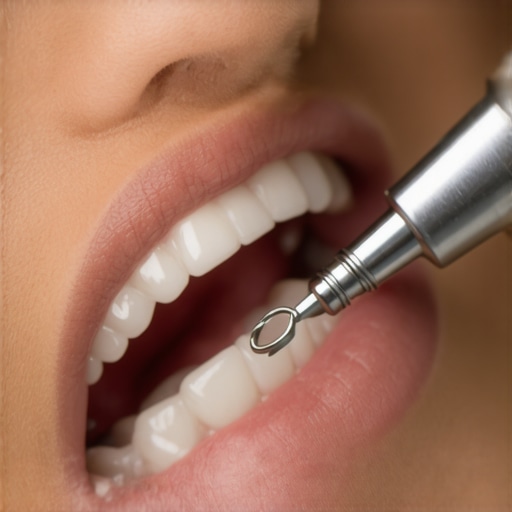
Image: Close-up of an ultrasonic dental scaler in use, emphasizing precision cleaning and maintenance of veneers and implants. Alt text: Dental professional using ultrasonic scaler for maintenance of veneers. Title: Advanced Tools for Long-Term Dental Care.
,
Lessons I Wish I Learned Before Diving Into Cosmetic Dentistry and Implants
One of the biggest revelations was understanding that not all dental treatments are created equal. I used to believe that choosing a procedure was simply about aesthetics, but I soon realized that individual bone quality, precise placement, and material choices can dramatically influence longevity and natural feel. This insight pushed me to seek out specialists who utilize advanced imaging and placement techniques, ensuring my smile was not just beautiful but durable.
Another lightbulb moment was learning that even seemingly minor details, like the shade of porcelain or the type of cement used, can make a significant difference over time. It’s tempting to focus solely on the immediate results, but understanding the nuances—such as veneer material choices discussed in this article—has truly transformed how I approach my smile’s future.
My biggest mistake? Underestimating the importance of personalized follow-up care. Routine visits with specialists using tools like ultrasonic scalers have been vital in maintaining my restorations—preventing issues before they start. Realizing that restoring my smile was a continuous journey, not a one-and-done event, made all the difference in the longevity and health of my dental investments.
Tools and Resources That Shaped My Confidence in Cosmetic Choices
Trust begins with education, and over the years, I’ve relied heavily on carefully curated resources. The latest innovations in dental implants have reassured me that technology like 3D imaging and zirconia ceramics enhance both durability and aesthetics. For veneers, this guide helped me understand how material selection impacts longevity and appearance.
Beyond reading, I invested in professional-grade tools like sonic toothbrushes with smart sensors and water flossers, which are game-changers for maintenance. Visiting dental professionals who incorporate intraoral cameras has allowed me to see my progress clearly and stay proactive—saving my restorations from avoidable damage.
Empowering Your Smile Evolution
The journey to a healthier, more beautiful smile is personal and ongoing. Embrace your control by staying informed about emerging techniques and personalized care strategies. Remember, your choice of materials, professional guidance, and maintenance routine all play pivotal roles in ensuring your cosmetic and restorative work ages gracefully. I encourage you to take charge—consult experts who harness cutting-edge technology, explore trusted resources, and prioritize regular check-ups. Your future self will thank you for it.
What’s one change you’re willing to make today to support your dental health and aesthetic goals? Share your thoughts below—I’m eager to hear your plan for transforming your smile confidence!