I remember the exact moment my porcelain veneers popped off unexpectedly. It was during a lively dinner with friends, laughter echoing in my ears, when I suddenly felt a strange looseness. Panic set in. That little pop was a wake-up call—I had unknowingly been sabotaging my smile with habits I thought were harmless. If you’ve ever experienced that sinking feeling of your veneers coming loose, you know how disruptive and embarrassing it can be. But here’s the good news: understanding the habits that cause this issue can save you from future mishaps.
Why Your Beautiful Smile Might Be at Risk Every Day
Porcelain veneers are a popular cosmetic solution for transforming smiles, but they require care and attention. Even minor daily habits can weaken the bonds or damage the porcelain, leading to unexpected failure. Early on, I made the mistake of assuming that gentle habits wouldn’t hurt my veneers. That mistake almost cost me my confident smile. Studies show that certain behaviors, like biting into hard foods or clenching teeth, can significantly increase the risk of veneer damage (source: straightsmileortho.com).
Is Your Daily Routine Secretly Sabotaging Your Smile?
If you’re nodding along, wondering whether your habits might be a ticking time bomb for your veneers, you’re not alone. Many patients overlook these seemingly minor actions that, over time, weaken their dental restorations. Let’s dive into some common habits that could be causing your porcelain veneers to pop off before their time. Understanding these pitfalls is the first step toward preserving that beautiful, confident smile you worked so hard to achieve.
,
Secure Your Veneer with Proper Oral Habits
Start by avoiding biting into hard foods like ice, nuts, or hard candies. During my experience, I once bit into a carrot without thinking, resulting in a small chip that compromised my veneer. To prevent this, cut such foods into smaller pieces or avoid them altogether. Rethink habits like nail-biting or chewing on pens—these might seem harmless but put unnecessary stress on your restorations. Consistency in this new approach strengthens your veneer’s bond and protects your investment.
Master Gentle but Effective Oral Care
Use a soft-bristled toothbrush to clean your teeth twice daily, ensuring you don’t apply excessive pressure that can loosen the bond. I once switched to a manual toothbrush with softer bristles, noticing immediate less gum irritation and a sense of gentler cleaning. Incorporate non-abrasive toothpaste, and floss carefully around your veneers, avoiding aggressive sawing motions. Regularly visiting your dentist for check-ups is essential—their professional cleanings and examinations help catch issues before they escalate.
Be Mindful of Clenching and Grinding
Clenching and grinding, especially during sleep, exert force that can dislodge veneers. Consider using a nightguard, custom-fitted by your dentist, to distribute pressure evenly. During a particularly stressful period, I wore a custom nightguard overnight, which not only protected my veneers but also reduced jaw pain. Awareness about these habits enables you to take proactive steps—addressing stress, practicing relaxation techniques, or consulting your dentist for solutions.
Limit Hard and Sticky Foods
Hard foods can directly crack or loosen veneers, while sticky foods—like caramel or chewing gum—might pull on them. I learned this lesson the hard way when a piece of caramel pulled my veneer slightly loose. To avoid this, opt for softer foods and be cautious with sticky substances. Think of your veneers as delicate porcelain flowers; they require gentle handling to stay pristine and secure.
Schedule Regular Dental Check-Ups
Routine visits to your dentist ensure that any early signs of loosening or damage are addressed promptly. During one appointment, my dentist noticed a slight detachment that I hadn’t felt, allowing a quick repair that saved me from more extensive work later. These check-ups are like maintenance on a car—they keep everything running smoothly and help you avoid surprises that could lead to pop-offs.
Limit or Avoid Bruxism Triggers
If stress or caffeine intake triggers grinding, work on reducing these factors. Incorporate stress-relief techniques like deep breathing, meditation, or yoga. I started practicing nightly meditation, which significantly reduced my grinding habits. A balanced lifestyle not only benefits your overall health but also preserves your veneers by minimizing undue pressure.
Stay Informed and Communicate
Keep an open line with your dental provider and ask about the best habits specific to your situation. Learning from experts and sharing your concerns helps tailor a care plan that keeps your smile intact. For ongoing advice on cosmetic dentistry secrets that boost confidence, visit this resource.
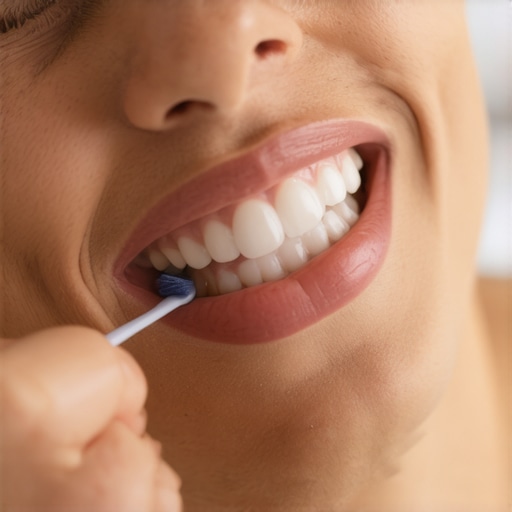 Many people believe that cosmetic dentistry procedures like veneers and dental implants are straightforward enhancements that require little more than a good dentist and a pretty smile. However, beneath this simplicity lies a web of nuances often overlooked, which can dramatically impact the longevity and success of your treatment. Let’s examine some common misconceptions and advanced pitfalls that even experienced patients and practitioners sometimes miss, so you can make truly informed decisions about your dental health.
One widespread myth is that all veneers are created equal. In reality, the choice between porcelain and composite veneers involves far more than just aesthetics. Porcelain veneers offer durability and stain resistance but require precise bonding techniques; inadequate adhesion can lead to premature detachment. Conversely, composite veneers are easier and quicker to apply but are more susceptible to staining and chipping if not properly cared for. Understanding these nuances helps in selecting the right option tailored to your lifestyle and expectations—don’t just rely on your dentist’s first pitch, do your homework by exploring insights from trusted sources like this detailed guide.
What Advanced Factors Determine the Long-Term Success of Dental Implants?
Many patients think that placing a dental implant guarantees a permanent fix, but the reality is more complex. While osseointegration—the process where the implant fuses with the jawbone—is critical, recent studies highlight the importance of bone quality and patient habits in preventing implant rejection or failure. Overloading or neglecting surrounding tissue health can lead to peri-implantitis, a destructive gum disease that compromises the implant. A 2023 study published in the Journal of Dental Research emphasizes that conservative loading protocols and personalized maintenance routines significantly reduce failure risks. Therefore, successful implant therapy is not just about surgical skill but also about ongoing care and a thorough understanding of these subtle biological factors. To learn more about reshaping your oral health with implants, check out this forward-looking resource.
Another common trap lies in simplistic assumptions about family dentistry. Many believe that regular check-ups are merely for cleaning teeth or catching cavities early. However, true comprehensive family dentistry recognizes the importance of early orthodontic assessments, bite analysis, and jaw development monitoring. Neglecting these nuanced areas can lead to misaligned teeth, TMJ issues, or even speech problems that develop silently over years. Partnering with a practice that understands these complexities ensures a proactive approach, safeguarding your family’s oral health for the long haul, as detailed in this in-depth guide.
Maintaining your cosmetic dental treatments like veneers and implants requires more than just good oral hygiene—it involves investing in the right tools and establishing effective routines. Personally, I rely on specialized equipment that ensures long-term success and preserves my investment in my smile. Selecting the appropriate tools not only simplifies daily routines but also prevents costly repairs down the line.
How do I maintain my dental enhancements over time?
The foundation of effective maintenance begins with choosing the right toothbrush. I recommend a power toothbrush with oscillating-rotating motion. To me, this type of brush provides superior plaque removal around veneers and implants without applying excessive pressure. It allows for gentle cleaning while reaching hard-to-access areas. Personally, I use the Oral-B Genius X; its pressure sensors and smart technology remind me when I’m brushing too hard, protecting my restorations.
In addition to the toothbrush, investing in interdental cleaning tools like WaterPiks has been a game-changer. I emphasize using a water flosser with adjustable pressure settings, which effectively cleans around implants and veneers without risking damage from aggressive flossing. Regular use of such devices removes debris and plaque buildup that traditional brushing might miss, thereby extending the life of your restorations.
What future trends are shaping dental maintenance?
Advancements in AI-powered dental diagnostics and smart oral hygiene devices suggest a future where personalized maintenance routines become standard. For example, wearable sensors and app integration can monitor brushing patterns and offer real-time feedback—greatly enhancing care precision. I predict that within the next few years, these smart tools will become more affordable and user-friendly, making professional-grade maintenance accessible to everyone. Stay tuned by exploring the latest innovations at this resource.
To elevate your maintenance routine, I highly recommend trying a sonic toothbrush combined with a smart app. This approach personalizes your cleaning pattern and optimizes each session for maximum effectiveness. Remember, investing in the proper tools today translates into a brighter and more durable smile tomorrow.
For detailed guidance on selecting tools suitable for your specific needs, consult your dentist or visit our contact page. Taking proactive steps now will ensure your cosmetic investments continue to look stunning for many years to come.
What I Wish I Knew Before Investing in My Smile
- Choosing the right type of veneers isn’t just about aesthetics; understanding their bonding process and maintenance needs can save you from unexpected repairs. I learned this after my first set popped off, highlighting the importance of researching materials and application techniques.
- Dental implants are often seen as a permanent fix, but without consistent follow-up care and mindful habits, they can have complications. Regular check-ups and stress reduction can greatly extend their lifespan, a lesson I personally experienced.
- Not all family dentistry practices are equal. I found that practices emphasizing early orthodontic assessments and comprehensive care truly help in preventing long-term issues like misaligned teeth or TMJ disorders—something I overlooked at first.
- Understanding advanced factors, like jawbone quality and patient habits, is crucial for long-term success with cosmetic procedures. Educating myself beyond the basics made me realize the importance of personalized care plans, as discussed in trusted resources like this guide.
- Investing in quality tools for maintenance, such as a power toothbrush or water flosser, significantly impacts the durability of veneers and implants. My experience with these tools proved that proactive home care prevents costly repairs, reinforcing the need for personal investment in proper oral hygiene.
Discover the Tools That Have Empowered My Dental Journey
- Oral-B Genius X Power Toothbrush: Its sensors and smart technology help protect my veneers by preventing excessive pressure—a must-have for anyone with cosmetic restorations.
- Water Flosser with Adjustable Pressure: It’s been instrumental in cleaning around implants and veneers without risking damage, ensuring my restorations stay bright and secure.
- Dental Consultation Resources: Visiting trusted online guides like this comprehensive resource provides insights that complement my dental visits and help me make informed decisions.
- Regular Professional Check-Ups: Keeping appointments with my dentist allows early detection of issues, which has practically saved me from potential failures and prolonged the life of my smile.
Your Smile Awaits New Horizons—Let’s Make It Happen
Our journey with cosmetic dentistry and implants is deeply personal and continuously evolving. By staying informed, investing in quality tools, and maintaining regular professional care, you lay the foundation for a radiant, durable smile. Remember, the choice to prioritize your dental health is an investment in confidence and happiness that pays dividends every day. Now, I challenge you—what’s one habit you’re ready to change to protect your smile better? Share your thoughts below and take that first step toward your best smile yet.