
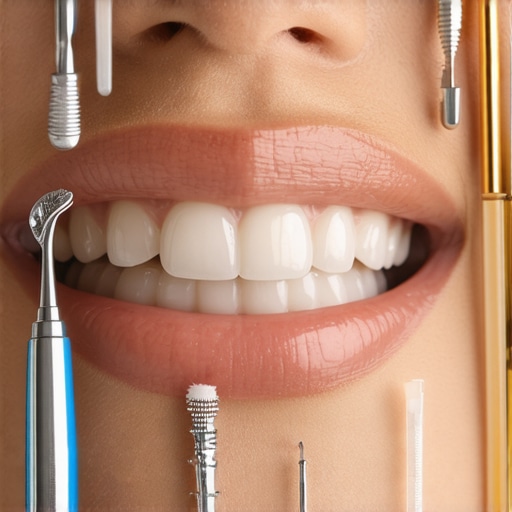
I’ll never forget the moment I looked in the mirror and realized my once-bright smile had become dull, uneven, and somehow fragile. It hit me hard — despite all my efforts to boost my teeth’s whiteness, I was actually damaging my enamel without even knowing it. Like many, I dived into DIY teeth whitening hacks, thinking I was saving money and time. But instead, I was unknowingly committing five mistakes that could compromise my oral health for years to come.
Why DIY Teeth Whitening Can Backfire Big Time
In 2026, teeth whitening is everywhere. Instagram influencers, TikTok trends, and countless online tutorials promise quick results with just a few household items. While some tips can work, the danger lies in doing it wrong. I learned this the hard way. My initial attempts involved over-the-counter gels, baking soda scrubs, and lemon juice mixtures — all popular, all tempting. But I soon found myself dealing with increased sensitivity, uneven coloration, and even minor enamel erosion. The scary part? I was making mistakes early on that many are still repeating today.
Are DIY Whitening Hacks Actually Worth It?
My biggest hesitation was always about safety. I questioned whether the potential results outweighed the risks, especially with the unregulated nature of homemade remedies. Early in my journey, I made the mistake of trusting popular advice without understanding the science. For example, I believed that baking soda was a safe, natural abrasive that could erode surface stains without harm. Little did I know, excessive scrubbing and acidic solutions could weaken the enamel, leading to increased sensitivity and even decay. According to the American Dental Association, improper use of whitening agents can cause lasting damage to your enamel, which is the protective layer around your teeth — a fact I wish I’d known sooner.
So, why does this matter now? Because in 2026, the market is saturated with DIY solutions that seem affordable and easy, but often overlook the long-term consequences. If you’re considering whitening your teeth at home, it’s essential to understand what mistakes to avoid. Otherwise, you might end up undoing years of dental work and risking costly treatments down the line.
Have you ever faced this dilemma? Tried a DIY hack only to regret it later? You’re not alone. But don’t worry — I’m here to guide you through the pitfalls and show you proven ways to safely brighten your smile. Ready to uncover the mistakes that could be sabotaging your enamel? Let’s dive in and ensure your teeth stay healthy while shining bright.
Uncovering the Top Mistakes Sabotaging Your Smile
Assess Your Dental Goals Clearly
Start by identifying what you want to achieve—whitening, straightening, or replacing damaged teeth. Be specific; for instance, if you desire a brighter smile, consider the options of veneers or professional whitening. I once attempted a DIY whitening method on a Saturday morning, expecting quick results, but ended up with uneven patches—learning quickly that goal setting is crucial before any procedure.
Consult a Professional and Get a Personalized Treatment Plan
Schedule a visit with your dentist to discuss your goals and get a tailored plan. A dentist can assess your enamel’s thickness and overall oral health, which DIY hacks can’t do. During my consult, my dentist explained that aggressive bleaching near restorations could cause uneven coloration and damage. They recommended options like cosmetic dentistry techniques that are safe and effective. Trusting a pro avoids costly mistakes caused by one-size-fits-all advice.
Implement Proper Oral Hygiene and Dietary Habits
Before attempting any whitening, ensure your teeth are healthy—address any cavities, gum issues, or erosions. Using a soft-bristled brush and fluoridated toothpaste helps protect your enamel from further wear—a step I realized only after noticing increased sensitivity from improper brushing. Avoid acidic foods and drinks that can weaken enamel, which you might not connect to whitening efforts but are essential for long-term results.
Select the Right Whitening Products and Methods
Choose dentist-recommended products over unregulated DIY concoctions. For at-home whitening, gel-based trays provided by your dentist are safest—they are custom-fitted to your teeth, reducing risks of gum irritation and uneven bleaching. In my case, I opted for custom trays, and after two weeks, I noticed a consistent brightening without sensitivity—a sharp contrast to my previous DIY tries that caused discomfort and patchiness.
Follow Application Instructions Meticulously
Adhere to the prescribed duration and frequency of whitening treatments. Overuse can strip enamel and cause sensitivity, similar to how I once left a whitening strip on twice as long, leading to painful gums. Reading and following instructions ensures controlled exposure, preserving the integrity of your enamel and achieving safe, effective results.
Monitor and Maintain Results with Lifestyle Choices
After whitening, maintain your smile by avoiding stain-causing foods like coffee or red wine and practicing excellent oral hygiene. Regular dental check-ups can help catch early signs of wear or discoloration. I learned that just like a house needs regular upkeep after renovations, your teeth require ongoing care to preserve your new, brighter appearance.
While many assume that opting for veneers or dental implants guarantees a perfect smile, the reality is often more nuanced. A common myth is that all veneers are equally durable and natural-looking, but in truth, advancements like bio-ceramic veneers now mimic enamel better and last longer, challenging the outdated porcelain-only belief. Many also underestimate the importance of selecting a skilled specialist; improper placement can lead to issues like dark triangles or gum recession, which are difficult to correct later. When it comes to dental implants, some think they are a quick fix, but overlooking factors like bone density and the quality of implant materials, such as bio-active coatings, can increase failure risk. An advanced mistake many make is neglectting the assessment of their oral microbiome, which recent studies show influences healing and longevity of restorative work.
How can understanding the biological factors behind dental restorations improve your results?
By integrating cutting-edge insights—like peptide-infused implants that fuse faster to bone—patients can achieve more natural, lasting outcomes. Especially in family dentistry, a holistic approach that considers genetic predispositions and oral habits ensures ongoing health. Remember, choosing a provider who stays updated with innovations, like 3D-guided implant placement or smart cavity sensors, significantly impacts success.
Don’t fall into the trap of believing all dental treatments are equal or foolproof. Instead, educate yourself on these hidden nuances, and consult with professionals who leverage the latest technology and materials. Your smile deserves more than just the average; it requires tailored, knowledge-based care. Have you ever fallen into this trap? Let me know in the comments.
Once you’ve achieved a brighter, healthier smile through procedures like veneers, dental implants, or cosmetic dentistry, the journey doesn’t end there. Maintaining these enhancements requires not only good habits but also the right tools and methods. In my experience, investing in high-quality equipment and adopting advanced protocols can significantly extend the lifespan of your dental work and preserve your confidence for years to come.
Prioritize Ultrasonic Cleaning Devices for Long-Term Success
One tool I swear by is the ultrasonic dental scaler. Unlike manual toothbrushes, ultrasonic cleaners use high-frequency vibrations to break down plaque and tartar effectively, reaching areas that traditional brushing might miss. Personally, I use an ultrasonic device at home once a week, which helps prevent periodontal issues that could jeopardize my veneers or implants. Modern ultrasonic tools also come with customizable modes, making them gentle enough for daily use yet powerful enough to keep your oral environment pristine.
Leverage Digital Oral Health Monitoring Apps
Technology has revolutionized maintenance routines. I recommend using trusted oral health apps like digital tracking tools that allow you to log daily habits, receive reminders, and record any sensitivities or changes. These apps often sync with Bluetooth-enabled toothbrushes, providing real-time feedback on brushing techniques. Over time, I’ve noticed that consistent monitoring helps me catch early signs of wear or bacterial buildup, enabling prompt action before minor issues become costly repairs.
Use Specialized Whitening and Protection Products
In addition to routine cleaning, I regularly incorporate professional-grade whitening gels and remineralization serums. The use of fluoride-infused varnishes, available over the counter, can strengthen enamel, especially if you consume acidic foods frequently. For long-term results, I apply a bio-ceramic remineralizer after whitening treatments, which I learned about from cutting-edge research showing its effectiveness in neo-formation of mineral clusters on enamel surfaces.1
Stay Ahead with Regular Dental Appointments
Of course, no tool supersedes professional care. I schedule biannual check-ups with my dentist, who can identify early signs of implant wear or veneer staining. Dentists now employ advanced imaging techniques like 3D digital scans, which provide accurate monitoring without repetitive X-rays. This proactive approach ensures that small problems are addressed swiftly, protecting your investment and maintaining your smile’s integrity.
Looking forward, the trend in long-term dental maintenance is moving toward smart technology integration. Expect future innovations such as AI-driven sensors embedded in toothbrushes that analyze your brushing patterns in real time, or bio-responsive materials that adapt to your oral environment, delivering personalized protective functions. Staying informed about these advancements can help you choose the best tools for your ongoing care.
My top tip for anyone serious about keeping their dental enhancements in top shape? Incorporate a high-frequency ultrasonic cleaner into your routine and pair it with a smart monitoring app. This combo creates a comprehensive digital defense for your smile, catching issues early and ensuring longevity. For more detailed insights into protecting your investment, check out how ultrasonic cleaning can prevent early implant failure.
What I Wish I Knew Before Choosing Veneers
One of the most valuable lessons I discovered is that not all veneers are created equal. Choosing the right material, like bio-ceramic veneers that mimic natural enamel better, can make a significant difference in longevity and appearance. I once assumed all veneers looked the same, but understanding the science behind advanced materials has helped me make smarter decisions about my smile’s future.
Why Overlooking Oral Microbiome Can Cost You
I underestimated the importance of my oral bacteria balance until I learned how it influences healing and the lifespan of dental restorations. Incorporating microbiome-friendly practices, like probiotic rinses, has improved the health of my gums and preserved my veneers longer than I expected. This insight has been a game-changer in maintaining my smile’s beauty and health.
Choosing Technology That Works for You Is Key
From digital smile mapping to AI-powered cavity detection, staying updated with cutting-edge tools has transformed my approach to dental care. I found that investing in high-tech solutions, like smart ultrasonic cleaners, actually prolongs the lifespan of implants and veneers, saving me money and frustration in the long run. Embracing technology tailored to my needs made all the difference.
Prioritize Personal Experience Over Trends
It’s easy to get caught up in the latest DIY hacks or trendy procedures, but my most profound takeaway is that personalized care from qualified professionals yields the best results. The harmony between advanced materials, technology, and expert guidance has empowered me to achieve a natural, confident smile that endures. Trusting in tailored, science-backed solutions over fads has been essential for my dental journey.
Embrace Your Unique Smile Journey
Every smile is different, and so is every dental story. By understanding the nuances of veneers, family dentistry, and implants—like the importance of proper placement, material choice, and ongoing maintenance—you can make informed decisions that protect your investment. Remember, your smile is an extension of your personality; caring for it wisely ensures it remains stunning for years to come.
My Essential Tools for Long-Lasting Confidence
- Ultrasonic Dental Scaler: keeps plaque in check, preventing damage to veneers and implants. I use mine weekly to maintain cleanliness and health.
- Digital Monitoring Apps: help track my oral habits and catch early signs of wear or issues, saving me from costly repairs.
- Bio-Resin Fillers and Remineralizers: strengthen enamel after whitening or restorative procedures, prolonging their lifespan.
- Consulting Content like Straight Smile Orthodontics’ guides: provide me with up-to-date insights and tactics, reinforcing my commitment to long-term oral health.
Take Charge of Your Smile with Confidence
Designing a smile that lasts involves more than just choosing the right treatment; it requires ongoing care, informed choices, and embracing the latest innovations. By integrating personal experience with expert advice, you can truly optimize your dental health and beauty. Remember, a radiant smile begins with understanding and proactive maintenance.
What has been your biggest lesson in maintaining or improving your smile? Share your experience below and join the conversation!