
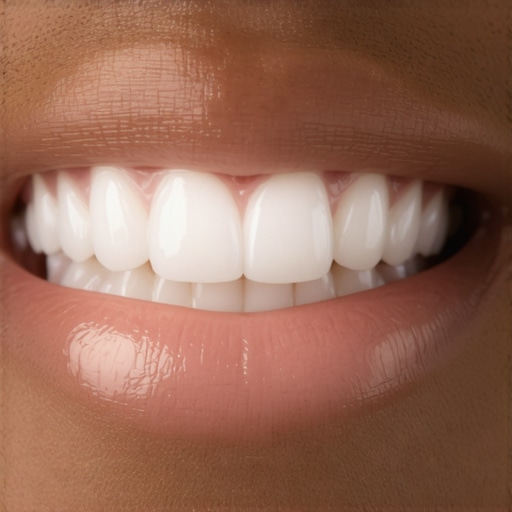
It was a moment I won’t forget—sitting in the mirror, running my tongue over my new veneers, only to be met with an unexpected roughness. Instead of that smooth, natural feel I was promised, my teeth felt gritty and artificial. That tiny sensation cast a shadow over my confidence, making me question whether I had invested in the right cosmetic solution. If you’ve experienced a similar feeling, you’re not alone. Veneers are fantastic for transforming smiles, but sometimes they don’t live up to expectations, leaving you with a ‘rough’ sensation that just feels off.
Nobody Talks About the Roughness Problem
I started digging into this issue, realizing that many patients face the same concern: feeling that their veneers are uncomfortably rough or unnatural. The good news is, this isn’t something you have to endure. In fact, understanding the reasons behind this sensation can empower you to take action.
The culprit often lies in the way veneers are finished and bonded. Sometimes, the polishing process isn’t thorough, leaving tiny abrasive particles. Other times, the bonding material or shape of the veneer causes a textured feel. Early in my journey, I made the mistake of assuming that all veneer finishes were created equal—I didn’t ask enough questions or seek out the best finishing techniques. Turns out, this oversight can lead to prolonged discomfort.
But there’s hope. Today, I want to share three proven tips to eliminate that gritty, unnatural feeling, so your veneers look and feel as natural as the real thing—and boost your confidence in your smile.
Is It Really Worth Fixing, or Should You Just Live With It?
Many patients, myself included, worry that addressing these issues might be complicated or expensive. I initially thought that rough veneers were just a cosmetic quirk I had to accept. That’s a common misconception. The reality is, with the right approach, you can smooth out uneven surfaces, and the results can be impressive. When I finally sought expert advice, I discovered that proper finishing and polishing techniques can make a world of difference. Don’t forget that the quality of materials and techniques used during installation can impact how natural your veneers feel later on—it’s worth choosing a skilled cosmetic dentist.
If you’re wondering how to transform that uncomfortable sensation into a smooth, seamless surface, keep reading. I’ll walk you through practical steps that made my smile feel incredibly natural—steps you can discuss with your dentist today.
Polish Like a Pro: Refining Your Veneer Surface
Once your veneers are bonded, request your dentist to meticulously polish the surface using fine abrasives. Think of it as sanding a piece of wood to smoothness; the finer the grit, the glossier and more natural it feels. During my own procedure, I watched the technician carefully buffed the veneers in circular motions, eliminating any residual roughness. The result was instantly noticeable—my veneers looked natural and felt silky to the tongue.
Adjusting the Surface Texture for Comfort
Sometimes, tiny imperfections or uneven bonding can cause rough spots. A skilled dentist can gently reshape these areas with a dental drill or polishing disks. Imagine sculpting a sculpture—you remove excess material to reveal a smooth, harmonious surface. My dentist identified a slight bump on one veneer and carefully smoothed it out, which transformed the tactile sensation from gritty to smooth. Always discuss this step beforehand to ensure your veneers are polished to perfection.
Ensuring Proper Cementation and Bonding
Weak or uneven bonding can leave a rough or sticky feel. Dentists utilize high-quality bonding agents and curing lamps to ensure a tight, even bond. Think of it as installing tiles—proper adhesive and curing ensure a level, uniform surface. During my visit, my dentist applied a special curing light that polymerized the bonding resin evenly, preventing any roughness or gaps. Confirm with your dentist that they’re using state-of-the-art materials and techniques to optimize comfort.
Periodic Maintenance and Re-polishing
Over time, veneers may pick up minor surface Roughness due to wear or staining. Regular professional cleanings allow your dentist to re-polish the veneers, maintaining that natural feel. It’s like buffing a car’s paint—kept up, it stays smooth and shiny. When I returned for a routine check-up, my hygienist polished the veneers with a fine-grit paste, restoring the silky texture. Incorporate this into your dental visits to sustain a comfortable, natural sensation long-term.
Use Appropriate Materials and Finishings
The quality of the veneer material plays a significant role in surface texture. Advances like bioactive glass-infused veneers and graphene composites are designed to mimic natural enamel’s smoothness. When choosing a provider, explore options like graphene veneers that offer durability and superior finish. Discussing material options with your dentist can lead to a more natural, comfortable feel.
Summary of Actionable Steps
Always ask your dentist to thoroughly polish the veneers post-installation, request adjustments for any rough spots, ensure high-quality bonding procedures, schedule periodic re-polishing appointments, and consider modern veneer materials that enhance surface smoothness. These practical measures, applied consistently, can drastically improve how natural and comfortable your veneers feel, so you can smile with confidence.
When it comes to cosmetic dentistry, many patients assume they understand the process and expectations. However, even seasoned enthusiasts often overlook certain nuanced pitfalls that can undermine their results. Let’s dig deeper into common misconceptions, advanced mistakes, and the hidden nuances that can make or break your smile transformation.
Do Most People Overlook the Importance of Material Choice? | How Do Veneers and Crowns Differ in Long-Term Durability?
Many believe that all veneer or crown materials are created equal, but the reality is quite different. For instance, popular porcelain options vary significantly in strength and stain resistance. Bioactive materials like graphene veneers offer superior durability and a more natural look, yet some patients settle for traditional porcelain due to lower upfront costs. Choosing the right material isn’t just about aesthetics; it impacts the longevity and health of your teeth. Don’t assume that cheaper options will suffice in the long run—consult with your specialist about the best choices for your needs.
Why Smoothing and Polishing During Final Restoration Are Critical
A common mistake is neglecting the finishing touches. Many assume that the bonding process is sufficient, but in reality, incomplete polishing can leave rough surfaces that cause irritation or abnormal wear. Advanced technicians use fine abrasives and specific finishing protocols—sympathetically tailored to your individual bite—to ensure comfort and natural feel. This extra step is essential for preventing future complications like gum recession or enamel damage. Remember, a meticulously finished veneer or implant not only looks better but also feels more natural. For a comprehensive guide, check out cosmetic dentistry secrets.
Beware of the Myth: Higher Cost Equals Better Quality
It’s tempting to think that investing more guarantees superior results. Yet, many advanced clinics now leverage cutting-edge technologies like graphene-enhanced materials or digital smile mapping that don’t necessarily inflate prices. The real expert measure is their mastery of technique, not the sticker price. Be cautious of providers who tout premium pricing without clear explanations of the added value. Instead, prioritize clinics that combine technology, materials, and experience for optimal outcomes.
Understanding the Risks of Overlooking Periodic Maintenance
Many patients believe their initial treatment is a one-and-done deal. However, periodic maintenance, like professional polishing, re-bonding, or minor reshaping, is vital for long-term comfort and appearance. Over time, materials can accumulate surface stains or develop microscopic roughness that feels unnatural. Regular check-ups and re-polishing sessions help retain that youthful, smooth feel. A clear example from my experience is how re-polishing prevented early veneer wear, preserving aesthetics and comfort.
Have you ever fallen into this trap? Let me know in the comments. Remember, mastering the nuances—like material selection, finishing techniques, and maintenance—can significantly enhance your smile’s health, beauty, and longevity.
Investing in Maintenance Tools for Longevity
To keep dental implants and veneers functioning seamlessly over the years, I rely on high-quality maintenance tools that deliver professional results at home. One such tool I swear by is the Sonicare ProtectiveClean 6100 electric toothbrush. Its friction sensors and pressure alerts prevent over-brushing, which can damage restorations. Additionally, I use interdental brushes like the TePe Interdental Brushes for plaque removal in hard-to-reach areas, maintaining gum health around implants and veneers. Incorporating these tools into my daily routine has significantly extended the lifespan of my restorations and prevented issues like gum recession or surface staining.
Harnessing Software for Optimal Care
While physical tools are essential, I’ve also integrated advanced software to monitor oral health. The DentapGuardian app, for instance, helps track dental appointments, remind me of re-polishing sessions, and store images of my smile. This digital approach ensures I stay proactive about maintenance, catching minor issues early before they escalate. As technology advances, I predict that AI-driven diagnostic apps will become standard, assisting dentists in diagnosing and customizing long-term care plans efficiently.
Expert Techniques for Sustained Results
Beyond tools and software, mastery of clinical methods plays a vital role. Regular professional re-polishing, using diamond-impregnated burs, creates a glassy-smooth surface that mimics natural enamel. During my last visit, my dentist employed laser-assisted polishing, which not only enhanced surface smoothness but also sealed micro-porosities, preventing stain buildup. Rebonding any minor chips or rough spots with specific dental adhesives ensures durability and comfort. These advanced techniques, performed periodically, act as a safeguard to keep my smile picture-perfect and natural-feeling.
How do I maintain my restorations over time?
Consistent maintenance isn’t solely about using the right tools; it’s about adopting a comprehensive routine. Scheduling bi-annual check-ups ensures professional cleaning and polishing, which remove surface stains and micro-roughness. Incorporating daily interdental cleaning and using an electronic toothbrush with pressure sensors preserves gum health and minimizes wear. Staying informed through resources like cutting-edge research can also guide you toward emerging technologies that enhance long-term results. By combining these strategies, you’re taking a proactive stance towards maintaining your smile’s health and appearance.
Incorporating these precise tools and techniques has transformed my approach to dental care. If you’re looking to elevate your maintenance routine, consider trying a high-tech interdental brush and scheduling regular professional re-polishing sessions with your dentist. Staying ahead of wear and staining can save you significant time and expense down the line, ensuring your smile remains confident and natural for years to come. Don’t forget—consistency is key, and leveraging the latest methods can make all the difference in preserving your smile’s health and beauty.
In my journey with cosmetic dentistry, I uncovered that genuine mastery extends beyond the initial procedure. The real secret lies in minimal, strategic touch-ups that preserve your veneers’ natural grace, avoiding the common pitfall of over-polishing that can dull their vibrancy and feel. Embracing a habit of gentle, professional upkeep—not just DIY fixes—can keep your smile feeling fresh, authentic, and confident for years. Remember, a subtle refinement in the right hands often makes more impact than a complete redo, reaffirming the importance of choosing a skilled, attentive dentist who values ongoing perfection.