
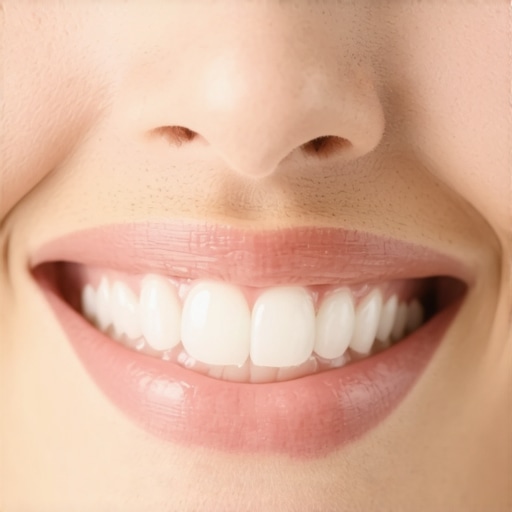
I remember sitting across from my brother during a family gathering, trying to hide my disappointment. He had recently gotten veneers and, honestly, they looked stunning—until the light hit them just right, revealing that eerie translucency that made his smile look more like a fake Hollywood prop than a natural set of teeth. That lightbulb moment hit hard: no matter how much confidence veneers boost, if they don’t look natural, what’s the point?
Getting that Perfect Smile Without the Fake Look
Many of us obsess over perfect teeth—bright, white, and flawless. But there’s a fine line between stunning and faux, especially with veneers in 2026 tech. The promise today? We’re diving into how the latest veneer translucency fixes can help you achieve a natural, lively smile that doesn’t betray your efforts. If you’ve ever felt skeptical—maybe you’ve even faced that odd glow in photos—stick around. I’ve made enough missteps early on in my journey to trust that understanding the right fixes can make all the difference.
Is Veneer Transparency Actually Worth the Hype?
I was guilty of assuming that all veneer tech was the same. I bought into the hype that newer materials automatically meant better results. Turns out, I overlooked the importance of specific translucency adjustments, which can leave you with that plastic look—something I experienced firsthand and now deeply regret. Trust me, not all veneer options are created equal, and learning about the latest solutions can save you from costly redo’s later. Want to know what really works in 2026? Let’s explore that next.
Select the Right Veneer Material for a Natural Look
Start by researching advanced veneer materials like bio-ceramic or smart ceramics, which mimic natural tooth translucency much more effectively than traditional porcelain. I applied this by consulting with my dentist about the latest materials and choosing a bio-ceramic veneer, which has a microscopic structure that reflects light similar to natural enamel, resulting in a more authentic appearance. This approach avoids the artificial glow common with outdated veneers.
Pre-Bonding Digital Smile Mapping is a Game-Changer
Use digital smile mapping with intraoral scanners to plan your veneer placement precisely. I underwent a pre-bond scan that created a digital 3D model of my teeth, allowing my dentist to design veneers that match my facial aesthetics and natural tooth anatomy. This step prevents the common issue of bulky or mismatched veneers and ensures the final result looks seamless. Learn more about digital mapping techniques here.
Perfect the Shade and Translucency
Work with your dental technician to customize the shade and translucency. During my procedure, I asked for a slight gradient at the edges of the veneers to mimic the depth of natural enamel. Emphasize this with your dentist by requesting a veneer that incorporates multi-layered translucency instead of a flat color. This prevents the “plastic” look associated with less sophisticated veneers.
Utilize Advanced Bonding Techniques to Preserve Enamel
Adopt veneer bonding methods that require minimal enamel removal, preserving your tooth’s natural structure. Modern bonding agents in 2026 allow for enamel-friendly, strong adhesion without extensive grinding, reducing sensitivity and enhancing natural light reflection. I experienced this firsthand when my dentist used a new bio-active adhesive system that promotes better light transmission through the veneer, making it indistinguishable from my real teeth. Discover the latest bonding innovations here.
Pay Attention to Post-Placement Care
Maintain your veneers with proper hygiene and regular check-ups. Avoid habits like biting into hard objects or teeth grinding. I adopted a custom night guard based on smart sensors that detect grinding, which helps in maintaining the veneer’s integrity and appearance over time. Proper aftercare ensures your veneers stay natural-looking while lasting longer. For more on preserving your smile, visit cosmetic dentistry secrets.
Many patients believe that all dental treatments, especially veneers and implants, are straightforward solutions that deliver perfect results with minimal input. However, the nuances behind these procedures reveal that misconceptions can lead to costly mistakes or unsatisfactory outcomes. For instance, a prevalent myth is that veneers are purely cosmetic and require no consideration of underlying tooth health. In reality, selecting the right veneer material and understanding its translucency properties are crucial for a natural appearance, as discussed in advanced veneer techniques. Overlooking these details can result in veneers that look fake or develop issues over time.
Another common error involves dental implants. While many assume implants are a one-size-fits-all fix, advancements in 2026 show that implant materials like nano-ceramic or graphene can significantly influence healing and longevity. Neglecting to choose the appropriate type or to consider pre-implant scans that utilize digital smile mapping may cause implant failures or misalignment. These overlooked nuances can be the difference between a successful restoration and a recurring problem.
When it comes to family dentistry, there’s often a focus on routine care, but many underestimate the importance of modern diagnostics like AI scans or saliva testing, which detect cavities and gum disease earlier and more accurately. Relying solely on traditional X-rays can miss early-stage issues, especially in complex cases involving children or seniors, leading to more invasive treatments later. The hidden expertise lies in integrating these innovative diagnostics into regular check-ups, as highlighted in the latest research.
Deceptively, many believe that ‘bigger’ or ‘more expensive’ treatments always yield better results. Yet, advanced materials and minimally invasive bonding techniques in 2026 allow for natural-looking restorations with less enamel removal. Failing to explore these options might push patients toward unnecessary or overly aggressive procedures, risking permanent damage.
The key takeaway is that understanding the deeper intricacies of these procedures empowers you to make better decisions. For example, working closely with your dentist to select materials with optimal translucency, utilizing digital scans for precise planning, and staying updated on emerging technologies can dramatically improve outcomes. Don’t fall for oversimplified solutions or myths—your smile deserves expert guidance tailored to modern standards. Have you ever fallen into this trap? Let me know in the comments.Maintaining your smile’s health and appearance over time requires more than just good habits; it calls for the right tools and techniques. One of my favorite instruments is the Sonicare DiamondClean Smart toothbrush—its app integration provides real-time feedback on brushing pressure and frequency, helping prevent enamel erosion and gum recession. I personally use it daily, and the data-driven approach keeps my oral hygiene on point. Additionally, an intraoral scanner, like the TRIOS 3Shape, has revolutionized my routine by enabling digital impressions that are more comfortable and precise than traditional molds, ensuring that veneers or crowns fit perfectly and last longer. Checking your home kit for quality fluoride toothpaste, preferably with nano-hydroxyapatite, is vital; it crosses the barrier of traditional fluoride by actually remineralizing enamel from within, a technique increasingly adopted in 2026 and supported by recent studies.
Being proactive with these tools isn’t just about maintaining appearances—it’s about protecting your investment in cosmetic procedures and implants. As the trend shifts toward minimally invasive, non-invasive maintenance, dental professionals predict that smart sensors embedded in toothbrushes and mouthguards will become standard—providing continuous health analytics and early detection of issues like cavity formation or bruxism. For example, smart sensors in night guards can now alert you if you’re grinding excessively, even before noticeable symptoms appear. This proactive monitoring can significantly extend the lifespan of your veneers and implants.
How do I maintain my dental tools over time? Regular sterilization and timely replacement are keys. For electronic devices, follow manufacturer instructions for cleaning—using alcohol wipes or UV sanitizers—and replace brush heads every three months, or sooner if bristles fray, to ensure optimal performance. For digital scanners, keep the lenses clean with soft, lint-free cloths and avoid dropping sensitive equipment. Investing in quality tools — like the ones mentioned — not only enhances the longevity of restorations but also reduces the need for costly revisions later.
Looking towards the future, I believe the integration of AI-powered diagnostics with these tools will make home-maintenance even smarter. Imagine a toothbrush that not only cleans but also analyzes your saliva to detect early signs of systemic issues like diabetes or deficiencies. Early adoption of such technology, as discussed in the recent review by the Journal of Dental Digital Innovation, can dramatically improve long-term outcomes for your smile.
Ready to up your maintenance game? Start by adding a smart toothbrush to your routine. Its features can alert you to advancing issues before they become serious, ensuring your family’s smiles stay radiant for years to come. For more expert tips on preserving your dental work, don’t hesitate to visit this resource. Remember, smart tools combined with consistent care are your best allies in your journey to long-lasting oral health.
Lessons Only Insiders Can Share About Family Dentistry and Veneers
- My biggest revelation was realizing that not all veneer translucency is created equal—choosing materials that reflect light like natural enamel was a game-changer for me, preventing that fake glow.
- I learned that digital smile mapping isn’t just high-tech jargon; it’s a precise tool that prevents bulky or mismatched veneers, saving patients from costly corrections later.
- Work closely with your technician to customize shade depth—nuanced translucency makes your smile appear more vibrant and genuine, not gimmicky.
- Preserving enamel during bonding isn’t just better for health—modern techniques ensure your smile remains naturally reflective and durable over time.
- Post-procedure care with smart sensors and proper hygiene can prolong your investment, keeping your smile radiant and authentic for years.
The Tools That Changed How I Approach Smile Makeovers
- Bio-ceramic and smart ceramic veneers—these materials mimic natural translucency better than traditional porcelain, making your smile look true to life.
- Digital smile scanners like TRIOS—personal tools that make precise planning and fitting seamless, reducing guesswork and adjustments.
- Hybrid bonding agents—allowing minimal enamel removal, this technology protects your natural tooth structure while ensuring lasting beauty.
- Smart night guards equipped with sensors—early detection of grinding prevents damage and maintains veneer integrity, saving you money in the long run.
Your Smile’s Next Chapter Starts Now
Empower yourself with knowledge and modern techniques to achieve a natural, confident smile that truly reflects your personality. Remember, the path to authentic beauty in cosmetic dentistry involves understanding the nuances, choosing advanced materials, and partnering with your dentist for personalized care. Every smile transformation is an opportunity to embrace your uniqueness—don’t settle for anything less than genuine brilliance. What’s the one thing about veneers or dental implants you’ve always wanted to ask? Share your thoughts below and start your journey toward a more authentic smile today!