One evening, I caught a glimpse of my reflection and froze. There it was, a dark shadow creeping around the edges of my old crown—something I hadn’t noticed before. Instantly, a wave of concern washed over me. Could this be a sign of something serious? That moment made me realize how easy it is to overlook subtle changes in our oral health, especially when they seem minor. But trust me, these tiny signs can sometimes be signals of deeper issues that deserve attention.
Why Do Gums Turn Black Around Old Crowns? A Common but Surprising Problem
Over time, it’s normal for our teeth and gums to change. But when your gums start turning black or darkening around a crown, it’s often a red flag. This discoloration can be caused by several factors, including staining, blood pigment infiltration, or even the formation of gum disease. I learned early on that neglecting these signs can lead to more serious issues like infections or bone loss. Early detection and proper care are essential, and I want to help you understand what might be happening in your mouth.
Is Gum Discoloration Really a Cause for Alarm?
Many folks, myself included at first, dismiss minor darkening as just a stain or aging. But research shows that dark pigmentation can sometimes indicate melanin accumulation or even tissue necrosis, especially around older restorations. I’ve made the mistake of ignoring early warning signs, thinking they would resolve on their own. That was a costly lesson. Now, I recommend consulting a professional if you notice any unusual changes. For trusted advice on treatment options, check out veneers vs. crowns.
So, what can you do if you spot similar signs? That’s where understanding the root cause comes in—and that’s exactly what we’ll explore next. Stay tuned for practical steps that can help restore your confidence and protect your oral health.
Pinpoint the Cause of Gums Darkening
First, visually inspect your gums for any signs of darkening or black spots, especially around the margins of crowns. Note whether the discoloration is localized or spread out. This step acts like a detective gathering clues—it helps determine if stains, pigment infiltration, or early gum disease are at play. Remember, if uncertain, schedule an appointment with your dentist who can perform necessary tests and give an accurate diagnosis.
Professional Examination and Testing
Visit your dentist for a comprehensive exam. They may utilize periodontal probing, radiographs, or special dyes to assess tissue health. Think of this as a diagnostic scan, revealing hidden infections or tissue necrosis beneath the surface. Avoid assuming it’s harmless; early intervention can save your gums and teeth from more complicated treatments later.
Implement Targeted Treatment Strategies
Based on the diagnosis, your dentist might recommend specific treatments. If staining caused the darkening, professional cleaning or whitening procedures might suffice. For tissue damage or necrosis, more advanced options like surgical debridement or root planing could be necessary. These procedures are like pruning dead branches to promote healthy growth, ensuring your gums regain their natural color and strength.
Consider Cosmetic Improvements
If discoloration persists after addressing the root cause, cosmetic options such as veneers or gum depigmentation can enhance appearance. Veneers offer a quick aesthetic fix, covering dark or uneven gum tissue for a brighter, healthier look. However, it’s vital to treat underlying issues before opting for cosmetic enhancements to prevent recurrence.
Strengthen Your Oral Hygiene Routine
Prevention is key. Brush at least twice a day with fluoride toothpaste, making gentle circular motions along the gumline to remove plaque and prevent staining. Incorporate flossing or interdental brushes to reach areas between teeth and beneath crowns, disrupting plaque buildup that can cause discoloration. Think of your routine as routine maintenance that keeps your mouth functioning smoothly and looking its best.
Use Antimicrobial Mouthwash and Adjust Diet
Adding an antimicrobial mouthwash can help reduce bacterial load, especially if early gum inflammation is suspected. Limit foods and drinks that stain or irritate gums, such as coffee, wine, or spicy foods. Staying hydrated promotes saliva production, naturally cleansing your mouth and protecting your tissues from darkening and decay.
Schedule Regular Professional Cleanings
Set appointments every six months for professional cleanings. These sessions remove tartar and stain deposits that regular brushing can miss, similar to giving your mouth a thorough service. Consistent cleanings help catch early signs of gum disease or discoloration before they develop into more severe problems, maintaining both health and aesthetics.
Monitor and Follow Up
Keep an eye on any changes in your gum color or tissue health. Use a journal or photos to track progression or improvement over time. If discoloration reappears or worsens, revisit your dental professional for reassessment. Ongoing monitoring ensures that your efforts translate into lasting oral health and confidence in your smile.
Many assume that all dental treatments are straightforward solutions meant to fix cosmetic or functional issues. However, this misconception can lead to overlooked nuances that are crucial for lasting results. For instance, with family dentistry, the focus often is on routine care, but the real value lies in personalized prevention strategies that adapt as your family members grow. Contrary to popular belief, veneers are not merely aesthetic upgrades; they require careful planning regarding enamel preservation and long-term wear, especially in younger patients. Cosmetic dentistry, while alluring, is frequently oversimplified as a quick fix, ignoring the subtle techniques that ensure natural appearance and durability. When it comes to dental implants, many think that placement is the endpoint; in reality, successful integration depends on nuanced factors like bone quality and alignment, which are often underestimated.
A common trap in these fields is the assumption that the same approach works universally. For example, choosing veneers without considering bite dynamics can cause premature chipping. Likewise, neglecting the biological aspects behind implant success can lead to failures despite flawless surgical procedures. Understanding these details can be the difference between a smile that lasts a lifetime and one that requires frequent touch-ups.
One frequently misunderstood aspect is the importance of comprehensive planning before cosmetic procedures. The choice between veneers and crowns, for instance, is not solely based on appearance but also on factors like the underlying tooth health and potential for future decay. Experts suggest that a tailored approach, considering individual anatomy and habits, significantly improves outcomes. For validate this, a study published in the Journal of Prosthetic Dentistry emphasizes that personalized treatment plans reduce complication rates and extend longevity of restorations.
Furthermore, a rise in DIY culture has influenced people’s expectations—leading them to think that quick fixes or shortcuts are acceptable. In reality, such shortcuts often ignore underlying issues like occlusal discrepancies or bone health, which compromise both function and aesthetics. This oversight can cost more in the long run, both financially and in terms of health.
So, what can you do? Educate yourself about the nuances involved in each procedure. When considering treatments like dental implants, understand the importance of not just the surgery but also post-operative care and bone health management. For veneers and cosmetic procedures, inquire about the detailed planning process and material choices. Family dentistry is not just about check-ups but adopting a proactive, long-term approach to oral health for everyone in your household.
Have you ever fallen into this trap? Let me know in the comments, and share which misconceptions you’ve encountered or corrected in your dental journey.
Keep It Working: Essential Tools for Durable Results
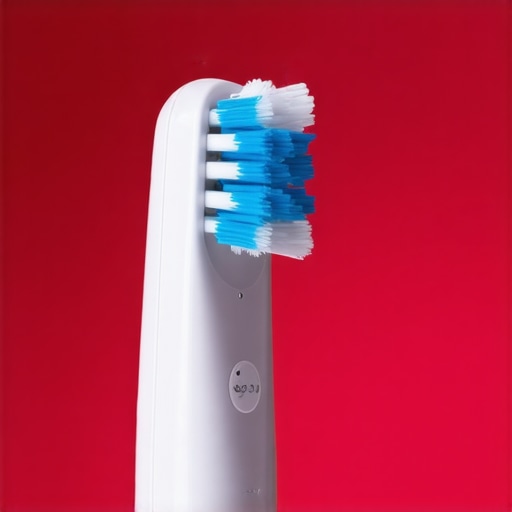
Maintaining your smile over time requires more than just visiting the dentist regularly; it hinges on having the right tools at home. From high-quality toothbrushes to advanced whitening kits, choosing equipment that suits your specific needs can make a significant difference in the longevity of your cosmetic and restorative work. Personally, I rely on an electric toothbrush with a timer and pressure sensor, such as the Oral-B Genius X, because it ensures thorough cleaning while preventing damage from excessive force—something I learned the hard way. Effective tools are crucial in supporting your long-term dental health, especially after procedures like veneers or implants.
How do I maintain my dental tools over time?
Regular cleaning of your toothbrush and replacing it every three to four months is vital, as worn bristles diminish effectiveness and can harbor bacteria. For whitening, I recommend using calibrated LED kits, such as the GLO Science system, which accelerates results without irritating sensitive tissues. These devices are designed for home use but mimic professional-grade treatments, maintaining your smile’s brightness over years. Additionally, water flossers like the Waterpik Sonic-Fusion combine brushing and flossing, making daily maintenance more effective and less time-consuming. Staying consistent with these tools helps preserve your investment in cosmetic procedures like veneers, which require diligent upkeep to maintain their natural appearance. Veneer longevity depends largely on daily care routines supported by reliable tools.
Future of dental maintenance tools
The trend toward integrating smart technology into everyday dental care is set to grow. Expect more AI-driven toothbrushes that monitor plaque buildup and provide instant feedback, along with personalized oral health apps that sync with your devices. I predict that in the next five years, these innovations will empower patients to take proactive steps, reducing the need for frequent professional interventions and extending the lifespan of restorations and implants. An example of this evolution is the recent cutting-edge research on smart implant sensors that monitor oral conditions in real-time.
Make Your Smile Last: Routine Maintenance Questions
How do you keep your dental work working? Consistent use of recommended tools, routine checks, and adapting to emerging tech are your best bets. For more advanced advice, consider trying a professional whitening kit at home or upgrading your toothbrush with the latest features. Remember, proactive maintenance is your best defense against the wear and tear of everyday life, especially with delicate restorations like veneers or the newer dental implants designed for long-term success.
What I Wish I Knew About Ensuring Longevity in My Smile Makeover
Throughout my journey with family dentistry, veneers, and dental implants, I realized that the smallest details often hold the biggest lessons. One lightbulb moment was understanding that patience and consistent care surpass quick fixes. I used to think that choosing the most aesthetic option was enough, but I learned that education and ongoing maintenance are what truly preserve beauty and function over time. My experience taught me that proactive communication with your dentist can prevent minor issues from becoming costly repairs, emphasizing the importance of personalized treatment plans tailored to your unique needs.
Why I Now Choose Professionals Over DIY in Cosmetic Dentistry
Initially, I was tempted to explore DIY whitening kits and at-home veneer kits, thinking I could save time and money. However, I discovered that professional-guided procedures are designed with a deeper understanding of your oral health, ensuring safer and more durable results. My lightbulb moment was realizing that cutting corners can lead to sensitive teeth, mismatched tones, or even damage that requires corrective procedures. Now, I trust expert advice and curated resources—like those found in professional guides on veneers vs. crowns—to make informed decisions that genuinely benefit my smile’s longevity and appearance.
When Overconfidence Shadows Real Risks in Oral Health
One lesson I learned the hard way was that assuming you’re managing your oral health effectively without regular checkups can be risky. I believed diligent brushing was enough until a small discoloration around my crown signaled a deeper issue. That moment reminded me that even with good daily habits, professional assessments are crucial. Overconfidence can delay diagnosis and treatment, leading to complications like gum disease or implant failure. Now, I stay proactive with routine cleanings and monitoring, understanding that ongoing professional guidance is the key to sustaining that flawless smile I always wanted.
How Smarter Tools Can Keep Your Dental Restorations Perfect
Investing in quality tools like electric toothbrushes and water flossers has made a significant difference in my daily routine. I found that tools equipped with sensors and timers, such as the latest in oral hygiene tech, prevent overbrushing and ensure thorough cleaning—critical for maintaining veneers and implants. From personal experience, I’ve learned that technologically advanced tools not only prolong the life of my restorations but also boost my confidence in my oral health every day. It’s a reminder that embracing innovation in my routine is a worthwhile investment for a brighter, healthier smile that lasts.