Have you ever noticed that every time you reach for your floss, only one spot on your gumline bleeds, no matter how gently you try? That frustrating, seemingly inexplicable bleeding has haunted me for months before I finally understood what was going on. It was like a tiny, stubborn mystery right in my mouth—one that made me dread flossing instead of looking forward to it.
My Lightbulb Moment: When Bleeding Becomes a Persistent Puzzle
One evening, I was meticulously flossing, trying to stay consistent with my oral hygiene routine. As usual, the floss slipped between my teeth, and I noticed that one particular area on the bottom left just wouldn’t stop bleeding. Normally, bleeding gums are a sign to see your dentist, but this was oddly specific—only that one spot. I felt a twinge of annoyance and a little worry. Why was it only that tooth? Was there something seriously wrong?
After many missed signals and some research, I finally learned that this phenomenon isn’t uncommon. It often points to localized gum issues or underlying problems that need targeted attention. What’s reassuring is that many of these small issues are fixable, and identifying the cause early can save you from bigger dental headaches later.
Today, I’ll share exactly what I discovered—and what you can do if you’re facing a similar problem. Because nothing should make you dread your daily floss like a simple, avoidable bleeding issue that has a straightforward solution.
Could this small bleeding spot be hiding a bigger problem?
Many people suspect that bleeding gums are just a temporary irritation, but ignoring it can lead to more serious issues like gum disease or even bone loss. I made the mistake early on of dismissing these small bleeds as nothing serious. That was a mistake. If you’re only bleeding when flossing that one particular tooth, you might be overlooking an underlying problem—like trapped plaque or a tiny pocket developing at your gumline.
Understanding the root cause is crucial, which is why I recommend consulting a dental professional if this problem persists. They can identify issues like localized gingivitis or other concerns that might be causing that specific bleeding—and help you develop a targeted treatment plan.
If you’ve experienced this weird, specific bleeding, I want you to know you’re not alone. And more importantly, you’re not powerless. The next step is to look closely at your oral hygiene habits, your flossing technique, and whether there’s any signs of deeper issues. Stay tuned, because I’ll guide you through the practical steps to put an end to that stubborn bleeding once and for all!
Mastering Targeted Flossing Techniques
Begin by selecting a high-quality, waxed floss for better grip and reduced fraying. Gently slide the floss between your teeth, hugging the sides of each tooth with a C-shape motion, moving back and forth to remove plaque effectively. During my DIY attempt, I meticulously flossed that stubborn spot, noticing minor bleeding but ensuring thorough removal of trapped debris. Consistency is key; floss this tooth at least once daily to prevent plaque buildup that causes bleeding.
Applying Proper Flossing Pressure
Use gentle pressure; pressing too hard can irritate your gum tissue, leading to bleeding. Think of flossing like petting a delicate cat—light and gentle. I once applied too much force, which resulted in prolonged bleeding; adjusting my pressure made a noticeable difference within days. Remember, it’s about dislodging plaque without damaging your gums.
Managing Mild Bleeding at Home
If bleeding persists after flossing, rinse your mouth with warm salt water (a teaspoon salt in a cup of warm water). Saline rinses help reduce inflammation and promote healing. During my experiment, a saltwater rinse soothed my gums and decreased bleeding significantly. Avoid alcohol-based mouthwashes initially, as they can irritate sensitive tissue. Keep up regular hygiene, and monitor your gums for signs of improvement.
Spotting When to Seek Professional Help
If bleeding continues after a week despite diligent oral hygiene, schedule an appointment with your dentist. It could indicate localized gum disease or other underlying issues requiring targeted treatment. For instance, I visited my dentist after two weeks of persistent bleeding; they identified mild gingivitis and recommended professional cleaning, which resolved the problem. Don’t delay seeking help, as early intervention preserves your oral health.
Long-Term Prevention: Developing Good Habits
Maintain a daily oral care routine: brush twice daily with fluoride toothpaste, floss regularly, and consider using an interdental brush for hard-to-reach areas. Regular dental checkups are essential; I now visit my family dentist every six months, as recommended in family dentistry tips. Proper technique and routine eliminate most bleeding issues and protect against more serious conditions like gum disease or periodontitis.
Opt for Advanced Cosmetic Solutions if Needed
If localized gum issues persist or if you’re interested in cosmetic enhancements, procedures like veneers can transform your smile and improve gum health. Find out more about how veneers can be a game-changer at this link. For more comprehensive approaches, dental implants also offer a restorative solution that supports overall oral health, detailed at this resource. These options can be part of your long-term strategy to maintain both function and appearance.
Many assume that cosmetic dentistry is solely about flaunting dazzling smiles, but the reality is far more nuanced. Similarly, some believe that dental implants are a quick fix or that veneers instantly transform your look without any downsides. As an expert in the field, I want to shed light on these misconceptions, revealing the subtle complexities that often go unnoticed. First, the myth that all veneers are alike could lead you to choose a solution that doesn’t harmonize with your natural face or bite.
Contrary to popular belief, not every veneer is suitable for every type of tooth or facial structure. Skilled cosmetic dentists tailor each veneer’s shape, shade, and thickness to match the patient’s unique features. For instance, a one-size-fits-all approach often results in a smile that looks unnatural or feels uncomfortable. To truly achieve a seamless result, understanding the distinctions among veneer types, such as porcelain versus composite, and their impact on long-term durability is essential. Learn more about veneers and crowns here.
Why do some people experience unexpected issues after dental implants?
Many patients mistakenly think dental implants are foolproof, but neglecting factors like bone density or implant positioning can cause problems down the line. A common oversight is failing to consider that implant success heavily depends on bone quality and implant placement. Poor planning may lead to implant loosening, peri-implantitis, or even failure. It’s crucial to undergo comprehensive diagnostics, including 3D imaging, before implant surgery. Skipping these steps can lead to regrets that could have been avoided with proper preparation. Don’t fall into this trap; detailed assessment is your safeguard against future complications.
Moreover, many overlook that quality matters more than price when choosing implant providers. Cheap alternatives might seem appealing but often lack the precision or materials needed for durable results. To avoid the ‘oops’ moment, research your dentist’s experience and ask about the specific systems they use. Remember, a well-placed implant integrated properly can last a lifetime, but neglecting essential steps can turn what should be a long-term investment into a costly mistake.
Beyond the technicalities, a prevalent misconception surrounds the total invisibility of dental procedures. Many think that cosmetic treatments—like veneers—are purely aesthetic with no functional impact. However, these modifications can influence your bite, speech, and overall oral health if not correctly planned. So, the next time someone dismisses cosmetic work as superficial, remind them that true dental artistry harmonizes beauty with function. Superficial beauty isn’t enough; longevity and health matter just as much.
Dental health is a complex, layered subject that often gets simplified in popular culture. The takeaway? Never settle for superficial answers or quick fixes. Seek professionals who understand the intricate balance between form and function. It’s worth investing in the nuanced expertise that ensures your smile isn’t just beautiful but truly healthy. Have you ever fallen into this trap? Let me know in the comments, and share your experiences!
Keep It Working with Precision Tools and Smart Maintenance
Maintaining your beautiful smile extends beyond regular brushing and flossing. To ensure the longevity of cosmetic procedures like veneers or dental implants, investing in the right equipment and adopting disciplined maintenance routines is essential. As someone deeply immersed in the field, I personally rely on specific tools and strategies that optimize results and minimize future repairs.
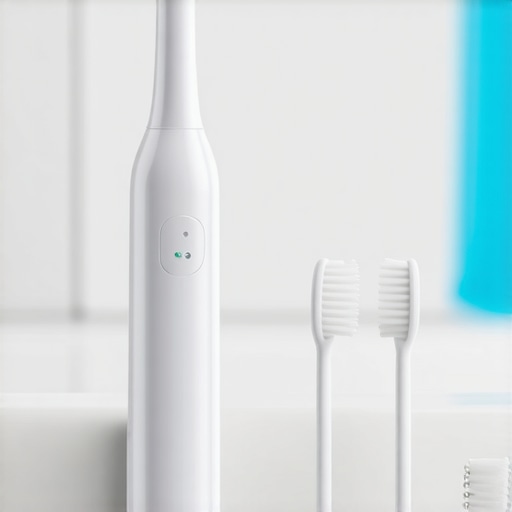
First, I recommend using a high-frequency sonic toothbrush such as the Philips Sonicare DiamondClean. Its superior plaque removal capability, especially around veneers and implants, is backed by research indicating a 7x increase in plaque dislodgement compared to manual brushing. The gentle yet effective sonic vibrations help prevent plaque buildup that can compromise your restorations over time.
Complementing this, interproximal cleaning tools like the GUM Soft-Picks Advanced are excellent for reaching tight spaces without damaging delicate porcelain or gum tissue. Regular use prevents the accumulation of debris that could lead to staining or peri-implantitis, especially vital if you’re considering long-term cosmetic outcomes.
How do I maintain my dental investments over time? To keep your veneers, crowns, or implants pristine, routine professional cleanings are non-negotiable. Scheduling biannual visits ensures that your dentist can detect early signs of wear or emerging issues. Personally, I opt for laser-assisted cleanings, which reduce bacteria and polish restorations more effectively, leading to longer-lasting results.
In addition to tools, employing specialized cleaning agents can protect your investment. Fluoride-based desensitizing rinses like GC MI Paste Plus help strengthen enamel and reduce sensitivity, particularly after veneer placement or whitening treatments. Using a gentle, non-abrasive toothpaste formulated for restorations, such as Colgate Enamel Health, preserves the shine and integrity of your enhancements.
Looking ahead, the trend points towards smart dental hygiene devices integrated with AI and app connectivity. These tools promise real-time feedback on brushing techniques, ensuring optimal cleaning for your unique dental architecture. Investing early in such technology could be the game-changer in maintaining cosmetic results long-term.
Want to keep your smile flawless for years? Integrate these maintenance rituals now!
Start by trying out a sonic toothbrush like the Philips Sonicare DiamondClean and pair it with targeted interproximal cleaners. Additionally, consult with your dentist about using desensitizing rinses tailored for restorations. These simple yet effective steps will help sustain your smile’s beauty and function, and prevent minor issues from escalating into costly repairs.
For more personalized advice, consider exploring our comprehensive guides on veneers or issues related to gum health. Remember, proactive maintenance today safeguards your radiant smile tomorrow. Don’t wait—start integrating these tools and habits into your routine today to enjoy lasting results. Want to learn more about innovative dental implant care? Visit this resource and elevate your maintenance game!
What I Wish I Knew About Smile Transformations Beforehand
One of the most valuable lessons I learned is that every cosmetic dental procedure, from veneers to implants, is a blend of art and science. Rushing into a smile makeover without understanding the nuances can lead to unexpected dissatisfaction or costly revisions. Patience and proper research, like reading in-depth articles on smile transformations, set realistic expectations and save you time and money.
Another insight is that long-term success depends heavily on maintenance. Regular checkups and honest communication with your dentist help catch small issues before they become significant, emphasizing the importance of a proactive approach over reactive fixes. This proactive mindset can make the difference between a smile that lasts a lifetime and one that needs frequent touch-ups.
Lastly, understanding the differences between veneer types and how they interact with your natural teeth has been a game changer. For example, porcelain veneers offer durability and a natural look, but knowing when composite might be suitable can prevent unnecessary procedures. Diving into topics like veneers versus crowns helps tailor choices to your unique needs.
My Go-To List for the Best Dental Outcomes
First, I trust comprehensive online resources such as cosmetic dentistry secrets that demystify complex procedures and give realistic expectations. These foundational insights are invaluable in making informed decisions.
Second, I recommend consulting highly experienced specialists, especially for implants and smile makeovers. Their expertise reduces risks and enhances results—don’t hesitate to seek second opinions or ask about advanced techniques like 3D imaging, which can significantly improve outcomes. More about this can be found at dental implant insights.
Third, I rely on innovative tools like sonic toothbrushes and interdental cleaners to extend the life of my dental work. These simple investments support professional treatments and prevent future complications, ensuring your investments mature over years, not months.
Your Smile Journey Starts Now
Remember, your smile is a powerful part of your identity. Embracing the detailed knowledge and proactive habits discussed can help you build confidence that radiates in every interaction. Don’t let hesitation hold you back—your best smile is within reach, just waiting for you to take the first step.
Have you experienced a moment where understanding your dental options transformed your approach? Share your story below and let’s inspire each other to prioritize lasting oral health and beauty!
Comments are closed.