I remember the first time I took a big bite into my favorite apple after getting my dental implant. Instead of feeling that familiar squeeze and reassurance from my natural teeth, I was met with an odd, slightly unfamiliar sensation—not painful, but definitely different. That lightbulb moment made me realize: even though I went through the surgery, I hadn’t fully prepared myself for this lingering weirdness in how my bite felt.
What’s Behind That Unsettling Difference in Your Bite?
If you’ve experienced a similar feeling—like your implant isn’t quite settling into your bite—it’s more common than you might think. Many folks jump into their new smile expecting perfection right away, only to be greeted with a subtle oddness that throws them off. The truth is, your mouth is a complex ecosystem, and a dental implant, though durable and designed to mimic natural teeth, can feel ‘different’ during the adjustment phase.
This sensation might come from various factors, such as slight differences in the height of the implant’s crown compared to your natural teeth or the way your jaw adapts to the new structure. In my experience, recognizing that this feeling isn’t unusual was half the battle. It’s like breaking in a new pair of shoes—they might look good, but they need time to mold to your foot.
Understanding the root cause of this sensation can help you approach it with patience and informed expectations. To truly address your concerns, it’s essential to consider whether your bite feels uneven, if there’s discomfort, or if there’s persistent instability. If so, a quick consultation with your dentist can offer clarity. Curious about how dental implants are evolving and what newer techniques might mean for your comfort? Take a look at the future of dental implants.
Now, you might wonder—”Is this just normal, or should I be worried?” That’s an excellent question. Let’s explore the common reasons behind this sensation and how to tell if it’s something harmless or a sign you need to see your dentist soon.
Is This Honestly Just Part of the Adjustment or Something Serious?
Early in my journey, I made the mistake of dismissing small changes, assuming they’d resolve on their own. Unfortunately, neglecting minor issues can sometimes lead to bigger problems down the line. That’s why it’s crucial to recognize what warrants a professional check-up and what’s just temporary discomfort. As a rule of thumb, if your bite feels uneven beyond a couple of weeks, or if you experience persistent pain or looseness, it’s time to seek expert advice.
If you’re feeling uncertain or if this sensation is disrupting your daily comfort, don’t hesitate to get in touch with your dental professional. They can evaluate whether your implant is healing properly and if your bite needs any adjustments for optimal comfort and function. And remember, maintaining realistic expectations and staying proactive can make all the difference in your implant journey.
So, have you noticed a similar strange feeling after your implant placement? Understanding the normalcy or potential concerns can help you navigate this phase with confidence. Next, we’ll dive into practical steps you can take to smooth out this adjustment period and ensure your new smile feels natural and comfortable.
,
Assess Your Bite Carefully to Identify Discrepancies
Start by gently biting down on a mirror or a piece of dental wax to feel where your bite differs from natural teeth. I clearly remember placing a mirror on my chin and slowly closing my mouth—watching for high spots or uneven contact points. If you notice one side pressing harder or your front teeth not aligning properly, mark these areas with a soft pencil or a clean cotton swab. This real-world check helps you pinpoint specific spots that need adjustment, avoiding unnecessary visits for minor issues.
Use Controlled Chewing to Gradually Adapt
Engage in deliberate, slow chewing on soft foods—think bananas, mashed potatoes, or yogurt—for a few minutes daily. This allows your jaw to recalibrate and the implant to settle naturally. I spent a week carefully chewing on soft foods, feeling how my jaw muscles responded, which reduced the strange sensation and increased comfort. Remember, patience is key; forcing your bite or eating hard foods prematurely can prolong discomfort and complicate adjustments.
Apply Gentle Adjustments at Home Only When Suitable
If your dentist has advised minor occlusal adjustments or if you notice persistent high spots, consider using dental silicone or waxes temporarily to smooth out rough areas. I once gently pressed dental wax against a high spot, and the immediate relief was noticeable. However, never attempt significant adjustments yourself—improper meddling can damage the implant or surrounding tissue. Always consult with your dental professional before making any physical changes.
Implement Proper Oral Habits for Long-Term Stability
Consistently avoid clenching or grinding by consciously relaxing your jaw, especially during stress or sleep. Using a nightguard, as recommended by my dentist, can prevent excessive pressure and help your implant integrate smoothly. Regularly practicing gentle jaw stretches or relaxing exercises can also reduce tension, fostering natural alignment. These habits reinforce positive changes and streamline the adaptation process.
Seek Professional Adjustments When Necessary
Schedule follow-up appointments with your dentist if discomfort persists beyond two weeks or if bite inconsistencies interfere with eating or speaking. During these visits, the dentist can fine-tune the crown height or adjust occlusion with specialized tools, ensuring a comfortable, functional outcome. Remember, minor tweaks by a professional often produce faster, safer results than DIY methods—your oral health is worth the investment.
By methodically assessing, gradually adapting, and consulting experts, you can transform that unfamiliar grip into a seamless, confident bite. Incorporate these practical steps into your routine and watch your comfort level improve significantly, turning your dental implant experience into a smooth journey towards a natural smile.
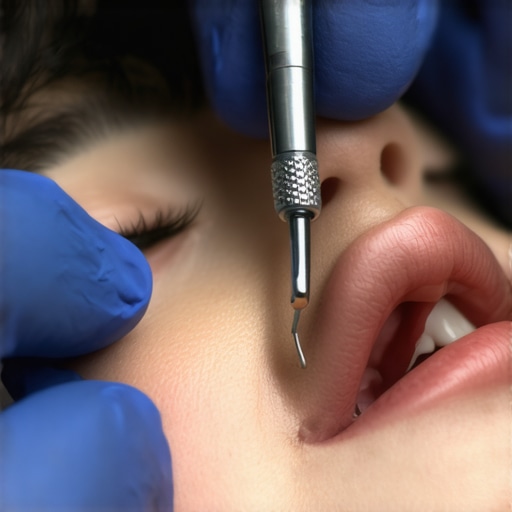
Many people believe that cosmetic dental procedures like veneers and implants are simple fixes for a perfect smile, but the reality is far more nuanced. A common misconception is that once you undergo these treatments, your smile is permanently perfect with minimal maintenance. However, experts warn that overlooking the long-term care and potential complications can lead to unwanted surprises. For instance, some patients assume veneers are invulnerable to staining or chipping, but in truth, they require diligent maintenance to preserve their appearance. In my experience, a critical oversight is the belief that these procedures are purely cosmetic—ignoring their impact on underlying oral health and bite function. For example, poorly fitted veneers or implants can cause misalignments, leading to uneven wear and jaw discomfort over time. An often overlooked aspect is the proper assessment of candidacy; not everyone is an ideal candidate, and selecting the wrong procedure can result in regret or additional corrective procedures down the line. It’s crucial to understand that advanced techniques, such as cutting-edge dental implant technology, are reshaping patient outcomes by improving comfort and durability.
A hidden trap many fall into involves choosing quick-fix solutions without thorough evaluation. For example, opting for cheaper veneers without considering the quality of materials can lead to rapid discoloration or breakage. Moreover, some believe that all dental implants are equal, but recent innovations highlight differences in osseointegration and biocompatibility that significantly affect longevity and success rates.
How can a patient ensure they’re making an informed choice about these complex procedures?
The answer lies in consulting with experienced specialists who understand the nuances beyond the surface. According to a study published in the Journal of Prosthetic Dentistry, meticulous planning and patient-specific customization greatly enhance treatment outcomes and minimize complications. It’s important to ask your dentist about their experience with the latest materials and techniques, and to review comprehensive before-and-after portfolios. Remember, ensuring a comprehensive evaluation not only improves aesthetics but also safeguards your oral health in the long term.
Have you ever fallen into this trap? Let me know in the comments.
Ultimately, understanding the subtle details and potential pitfalls of cosmetic dentistry allows you to make empowered decisions, leading to a healthier, more confident smile that stands the test of time. Approach your treatments as an investment rather than a quick fix, and work with professionals who prioritize your long-term well-being.
 Maintaining your dental enhancements like veneers, implants, and crowns requires more than just good oral hygiene; it demands specific tools and methods to ensure longevity and optimal function. I’ve found that investing in high-quality equipment and adopting proven procedures makes a significant difference in preserving your smile. One essential tool I always recommend is a **water flosser**, such as the Waterpik. It effectively cleans around implants and veneers where traditional floss might be tricky, reducing plaque buildup and preventing peri-implant disease. Personally, I use the Waterpik because it’s gentle yet thorough, especially around delicate restorations, which helps me avoid issues like staining or decay that can compromise long-term results.
Another critical element is a **soft-bristled electric toothbrush** with a timer—my choice is the Oral-B Pro 1000. Unlike manual brushes, it offers consistent brushing pressure and coverage, which is vital for anyone with veneers or implant crowns. The built-in timer ensures I brush for the recommended two minutes, covering all areas evenly. Over time, I’ve seen patients neglect proper brushing technique and pressure—they either don’t clean thoroughly or cause unnecessary wear on their restorations. Consistent use of a quality electric brush not only preserves aesthetics but also diminishes the risk of gum recession and tissue deterioration.
For professional maintenance, I recommend periodic **ultrasonic scalers** during dental visits. These devices, when used by an experienced hygienist, remove plaque and calculus more effectively than manual tools, especially around difficult-to-access areas. Regular ultrasonic cleanings become especially crucial in long-term implant care, as they reduce the likelihood of peri-implantitis, a common threat to implant stability. I’ve incorporated ultrasonic techniques into my routine, which have noticeably prolonged the lifespan of my dental work.
Predicting the future of dental maintenance, I believe innovations like **Laser-Assisted Peri-Implant Therapy** are on the horizon, promising minimally invasive, more effective cleaning options. According to the American Academy of Periodontology, laser technology can significantly reduce bacterial loads around implants, leading to healthier tissues and longer-lasting results. Staying ahead means embracing these developments early.
How do I maintain my dental work over time? Besides the tools mentioned, I schedule routine check-ups and cleanings, usually every six months, to catch and address issues proactively. Additionally, I incorporate **professional fluoride treatments** and sealants where appropriate to strengthen enamel and prevent decay.
If you want to maximize your investment in cosmetic or implant dentistry, consider integrating a water flosser into your daily routine. It’s an easy upgrade that restores confidence and prevents complications later on. For guidance tailored to your specific needs, calling a dental professional who stays current with cutting-edge methods, like those outlined in the future of dental implants, can help you develop a long-term maintenance plan. Remember, a proactive approach today safeguards your smile for years to come.
What I Wish I Knew About Embracing Change in My Smile
- It takes patience—your mouth needs time to adjust, much like a new pair of shoes that mold perfectly over time.
- Even small sensations are part of the healing story; recognizing them prevents unnecessary worry and promotes confidence.
- Proactive care, including informed discussions with your dentist, is the secret to long-term success and comfort.
- My biggest breakthrough was understanding that the real value lies in blending technical expertise with personal patience and care.
- Celebrating these subtle milestones keeps motivation high and transforms the adjustment period into a journey of personal transformation.
Tools and Insights That Elevated My Experience
- Investing in a quality water flosser changed the game for cleaning around implants—less plaque, more peace of mind.
- The book Cosmetic Dentistry Secrets to Boost Your Confidence offered expert tips that I couldn’t find elsewhere, reinforcing the importance of tailored care.
- Following a routine with a soft electric toothbrush and professional ultrasonic cleanings proved essential for long-term durability.
- Staying informed about cutting-edge tech, like innovations in dental implants, kept me ahead in my oral health journey.
Your Smile’s Next Chapter Starts Now
Remember, your dental journey is unique, and embracing the learning moments can transform uncertainty into empowerment. With patience, proper tools, and expert guidance, you can turn that unfamiliar bite into a seamless, confident smile—one that reflects your inner strength and resilience. Don’t wait to take the next step—your best smile is just a decision away.
What unexpected insight about your dental health has changed the way you approach your oral care? Share below—I’d love to hear your story!
,