Ever taken a sip of ice-cold water and suddenly shivered at the feeling around my dental implant? That unexpected chill felt like a tiny punch to my confidence, making me wonder if something was wrong. I remember the first time I experienced it—at first, I panicked, thinking maybe my implant was rejecting or causing some hidden problem. But as I dug deeper, I realized this sensation isn’t uncommon—and there’s more to it than meets the eye.
The Cold Truth About Dental Implants and Sensitivity
Most of us don’t realize that a dental implant’s responsiveness to temperature is more complex than just a simple sensation. When I first noticed my implant reacting to icy drinks, I thought I should immediately visit my dentist. It turns out, this feeling can be related to how the implant integrates with your jawbone and nerve endings. Understanding this can help you avoid unnecessary worries and guide you to the right steps.
Is Dental Sensitivity Actually Worth the Worry?
Many people, including myself initially, assume that every unusual sensation indicates failure. Early on, I made the mistake of ignoring minor signs, thinking they would pass. But that’s a mistake—addressing nerve sensitivity and understanding your implant’s response is crucial. That’s why I recommend consulting an expert to rule out issues like tissue inflammation or nerve irritation, which are common after implantation. Curious if your experience is normal? Remember, even a tiny change in sensation warrants professional insight.
Research shows that post-implant sensitivity can be a normal part of healing, but persistent or severe discomfort might signal a complication. So, whether you’ve noticed a strange cold feeling or other sensations, don’t just brush it off—get informed and seek advice. Next, I’ll walk you through practical strategies to manage and understand this sensation better, so you can enjoy your favorite icy drinks without worry.
Addressing Temperature Sensitivity at Home
When I first felt that chilling sensation after my implant, I learned that simple home strategies could help. Start by avoiding extremely cold or hot foods and drinks temporarily to prevent overstimulating the area. Using lukewarm beverages can give your mouth time to adjust. Keep a record of when the sensations occur and their intensity to discuss with your dentist later.
Utilize Gentle Oral Care Techniques
Switch to a soft-bristled toothbrush and be gentle around the implant site. I found that overbrushing can irritate tissues and exacerbate sensitivity. Instead, brush in light circles and avoid applying too much pressure. Rinsing with a warm saltwater solution (1 teaspoon salt in a cup of warm water) twice daily can soothe inflamed tissues and promote healing. This routine helped me reduce discomfort and improve healing progress. Remember, aggressive rinsing can do more harm than good, so gentle movements are key.
Incorporate Desensitizing Products
Over-the-counter desensitizing toothpaste containing compounds like potassium nitrate can numb nerve endings and lessen cold sensitivity. When I realized the discomfort was persistent, I started using such toothpaste specifically on the implant area. Apply it with a soft brush and leave it on for a few minutes before rinsing. Consistency is important; regular use can significantly reduce sensation over time. Beware of toothpastes with abrasive agents that might irritate delicate tissues around your implant.
Monitor and Manage Your Diet
What you eat impacts sensitivity. I avoided crunchy or very cold foods, like ice cream and crunchy vegetables, which intensified my sensations. Opt for softer, room temperature meals to minimize discomfort. For instance, smoothies or mashed foods allow you to enjoy the flavors without triggering cold responses. Additionally, drinking through a straw can help bypass sensitive areas, directing liquids away from the implant site. Keeping to a gentle diet until symptoms subside can accelerate your comfort.
Seek Professional Advice When Needed
If the cold sensation persists beyond a week or worsens, it’s crucial to consult your dentist promptly. Sometimes, sensitivities indicate nerve irritation or minor tissue inflammation that requires targeted treatment. During my visit, my dentist checked the implant’s stability with the tapping test and examined the surrounding tissues. Early intervention can prevent complications and ensure your implant functions properly. Do not ignore ongoing discomfort, as it can lead to more complex issues if left untreated.
Stay Hydrated and Maintain Oral Hygiene
Keeping your mouth moist helps reduce irritation. I made sure to drink plenty of water daily and maintained excellent oral hygiene to prevent bacterial buildup, which can worsen sensitivity. Remember, clean oral tissues are more resilient and respond better to healing processes. Proper flossing around your implant, avoiding trauma, and using prescribed oral rinses can support your recovery and acceptance of temperature changes.
By following these practical steps, you can manage cold sensitivities effectively. Patience is essential; as your tissues heal and nerve responses normalize, sensations will diminish. Incorporate these routines into your daily habits and stay attentive to your body’s signals. If issues persist, don’t hesitate to reach out to your dental professional for tailored solutions and peace of mind.
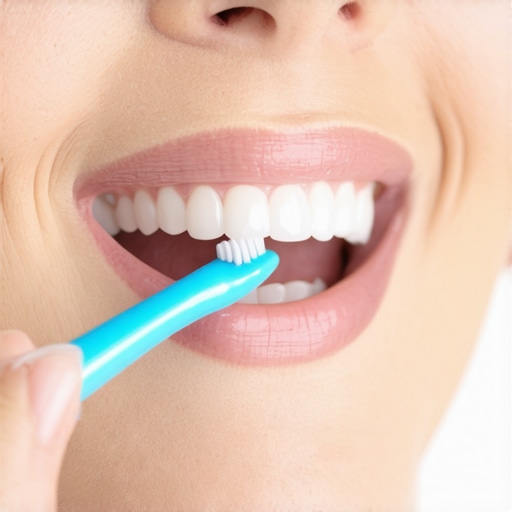 While many believe that cosmetic dentistry, veneers, and dental implants are simple solutions for a perfect smile, there are nuanced details and misconceptions that can hinder your expectations and decision-making. For instance, a prevalent myth is that veneers always last for decades without issues, but in reality, factors like biting habits and oral hygiene significantly influence their longevity. Overlooking these nuances can lead to premature damage or costly replacements. Similarly, many assume that dental implants are 100% risk-free, whereas complications such as peri-implantitis can occur if proper maintenance is neglected. Understanding these subtleties helps you make informed choices and avoid unnecessary disappointments.
When it comes to family dentistry, a common misconception is that annual check-ups suffice, but continuous monitoring is vital for preventing subtle issues that could escalate. Advanced mistakes include misjudging case suitability; not all patients are ideal candidates for certain procedures, which can compromise results. For example, choosing veneers for teeth with insufficient enamel can lead to bond failure, an issue explained in detail in Veneers vs. Crowns.
Why do some professionals advise against DIY whitening kits? Because they often ignore the nuanced differences in staining and enamel condition that require professional assessment. Using over-the-counter products without proper diagnosis can cause sensitivity or uneven whitening, an advanced mistake many overlook. Research published in the Journal of Esthetic and Restorative Dentistry highlights that custom whitening treatments yield more stable and safer results than generic kits.
Another hidden aspect involves understanding the implications of material choices in cosmetic procedures. For example, not all veneers are equally translucent—porcelain offers a natural look, but composite may stain faster, affecting long-term aesthetics. Your choice should consider lifestyle factors, as explained in Veneers Transformation.
Have you ever fallen into this trap? Let me know in the comments. Recognizing the nuanced realities behind cosmetic dental treatments empowers you to avoid pitfalls and make decisions aligned with your health and aesthetic goals.
Maintaining your cosmetic and restorative dental work isn’t a set-it-and-forget-it task; it requires deliberate strategies, precise tools, and a bit of routine that can prolong the lifespan of veneers, implants, or family dentistry treatments. Over my years of experience, I’ve found that investing in the right equipment and adopting proven methods has made a remarkable difference in long-term results.
How do I maintain my dental implants and veneers over time?
Primarily, I rely on professional-grade ultrasonic cleaners like the Soniclean Ultra Plus. This device uses ultrasonic vibrations to dislodge plaque and biofilm from complex surfaces—something that manual brushing can’t always achieve thoroughly. I use it weekly, especially around my veneers and implants, to ensure a deep, gentle clean without risking abrasion or damage. Additionally, incorporating a water flosser, such as the Waterpik Ultra, helps me access hard-to-reach areas, reducing plaque buildup and preventing peri-implantitis. These tools, combined with soft-bristled toothbrushes and fluoride-based desensitizing toothpaste, form the backbone of my maintenance routine.
Another essential component is routine professional cleanings. I schedule bi-annual visits with my dentist, during which they perform thorough assessments, including checking implant stability with the tapping test. Professional cleanings prevent calculus buildup and identify early signs of complications, saving time and money in the long run.
The future of dental maintenance tools
Looking ahead, AI-powered oral health monitoring devices are gaining ground. Imagine a smartphone app that can analyze photos of your smile and alert you to early signs of plaque or gum issues. I predict that integrated wearables, like smart toothbrushes connected to apps providing real-time feedback, will revolutionize home care, making it more personalized and effective than ever before. This technological evolution promises to empower patients to take charge of their dental health proactively.
What happens when I scale my dental care efforts?
Scaling might mean managing multiple restorations or family members’ dental needs simultaneously. That’s where specialized tools like disclosing tablets come into play; they visually highlight plaque while cleaning, making it easier to see where you need to scrub harder. For broader efforts, I recommend using software like dental tracking apps that help schedule, log, and monitor routine maintenance for everyone in your household. Staying organized ensures no restoration gets neglected.
To fine-tune your long-term results, consider consulting with your dentist about personalized maintenance plans, particularly if you have veneers, crowns, or implants. They might suggest adjuncts like custom mouth rinses or specific tools tailored to your unique needs. Remember, the key to durability and aesthetics is consistent, informed care—so don’t underestimate the value of investing in the right tools and habits. Want to jumpstart your routine? Try integrating a water flosser into your nightly regimen to experience immediate benefits in oral hygiene care.
By adopting these specific tools and routines, you’ll effectively shield your investments and maintain that confident smile for years to come. For personalized guidance, schedule a consultation through this link and take control of your dental wellness journey today.

Image prompt: A close-up of a top-quality ultrasonic dental cleaner, demonstrating its use in maintaining veneers and implants, with a bright, clean dental setting.
The Hardest Lesson I Learned About cosmetic dentistry,veneers,dental implants,family dentistry
One of the toughest truths I uncovered is that perfect smiles require ongoing commitment—cosmetic procedures are not a one-and-done deal. Skimping on maintenance, neglecting early signs of wear, or choosing shortcut solutions can lead to costly repairs or replacements down the line. Embracing diligent care and understanding the nuanced needs of each restoration transformed my approach from reactive to proactive.
3 Myths About cosmetic dentistry,veneers,dental implants,family dentistry That Held Me Back
Believing that veneers last forever or that dental implants are risk-free can create false confidence, leading to overlooked issues. These misconceptions delayed seeking professional advice and resulted in preventable complications. Dispelling these myths early helped me appreciate the importance of tailored care plans and realistic expectations, ultimately saving time and money.
What Experts Won’t Tell You About cosmetic dentistry,veneers,dental implants,family dentistry
Behind the glossy photos and shiny brochures, there’s a wealth of nuanced knowledge—like how material choices affect longevity, or why certain procedures may not be suitable for your unique oral health. Gaining insight from trusted professionals, such as the team at Straight Smile Orthodontics, revealed the importance of personalized care and realistic outcomes, empowering me to make informed decisions.
Reflections That Changed My Routine
One lightbulb moment was realizing that consistent, gentle maintenance—like using ultrasonic cleaners and water flossers—significantly extends the lifespan of veneers and implants. I learned to prioritize quality tools and expert guidance, understanding that investment in proper care is ultimately an investment in lasting confidence and health.
Embracing the Journey with Confidence
Every step in my dental journey has taught me patience, discipline, and the importance of continuous learning. Whether it’s adopting new routines or seeking second opinions, I now approach dental health as an ongoing partnership, one that nurtures not just aesthetic beauty but overall well-being. With the right knowledge and tools, you too can craft a smile that endures—and feels truly yours.
My Essential Toolkit for lasting smiles
From professional ultrasonic cleaners like advanced imaging techniques to personalized maintenance routines, my toolkit includes trusted resources that keep my smile bright and healthy. The Waterpik Ultra, for example, helps me reach where brushing can’t, ensuring my implant and veneer areas stay free of plaque and bacteria. Combining these tools with expert advice creates a resilient foundation for long-term confidence.
Where to Go from Here
If you’re inspired to take charge of your oral health, explore resources like cosmetic dentistry secrets or schedule a consultation at Straight Smile Orthodontics. Remember, every confident smile begins with informed choices, consistent care, and the courage to prioritize your well-being. Your journey to enduring beauty and health starts today.
Your Next Chapter in Smile Care
Take this as your invitation to dive deeper into the world of cosmetic and restorative dentistry. By staying curious, proactive, and committed to routine care, you’ll ensure that your smile remains a source of pride and joy for years to come. Want to share your experiences or ask questions? Drop a comment below—your story might inspire someone else to start their own lasting smile journey.