
![Why Veneers Chip: 3 Habits to Stop Right Now [2026 Update]](https://straightsmileortho.com/wp-content/uploads/2026/02/Why-Veneers-Chip-3-Habits-to-Stop-Right-Now-2026-Update.jpeg)
I remember the moment vividly — looking in the mirror and noticing that tiny chip on my front veneer after what seemed like an innocent bite into an apple. That feeling of a crack or chip sneaking in can be unexpectedly disheartening, especially after investing so much in my smile. It’s funny how a small imperfection can feel like a personal setback, even though I knew it was just my body’s way of signaling a deeper issue.
Facing the Frustration of Chipped Veneers
It turns out, many people don’t realize that their daily habits play a significant role in the longevity of their veneers. Early on, I made the mistake of ignoring these habits, thinking that veneers are a sort of forever fix. But over time, without proper care, I watched tiny chips become more noticeable, leading to costly repairs and a dip in confidence. That experience made me realize that protecting our beautiful smiles is more about habits than just the initial procedure.
Today, I want to share what I’ve learned — the three common habits that can cause veneer chips and what you can do to avoid them. This isn’t just about aesthetics; it’s about preserving your investment in your health and confidence. Whether you’re considering veneers or already have them, understanding these habits can save you from frustration and unnecessary expense.
Is Veneer Chipping Actually Worth Stressing Over?
Early in my journey, I underestimated the impact of my habits, believing veneers could handle anything. I thought biting into hard foods was harmless because I’d done it for years without issue. The reality? That mistake cost me a lot more than just a chipped veneer — it taught me a vital lesson about maintenance. According to the American Academy of Cosmetic Dentistry, a significant factor in veneer failure is the improper handling of everyday habits, which can lead to chips or cracks over time. This insight hit home for me, and I hope it makes you think about your own routines.
So, if you’ve ever caught yourself chewing on ice, biting your nails, or using your teeth as tools, you’re not alone — but these habits can seriously jeopardize your smile. Let’s look at the habits that need to go, so you can enjoy a brighter, more durable smile for years to come. But first, have you already experienced a chip or crack? Recognizing the problem is the first step toward protection.
Stay tuned — next, I’ll share practical tips on how to break these habits and keep your veneers flawless.
Keep Hard Foods at Bay
One of the most effective ways to prevent veneer chips is avoiding biting into hard foods like ice, popcorn kernels, or hard candies. I remember a time I forgot this rule during a holiday gathering. I bit into a crunchy apple and immediately felt a small crack. To prevent this, I replaced biting into hard foods with softer alternatives and kept a mental note to be more cautious. Think of your veneers as delicate glass; just like you wouldn’t risk shattering fragile glass, treat your veneers with the same care.
Chew Carefully and Mindfully
Practice mindful chewing by using your back teeth rather than your front veneers when biting into anything. This distributes the pressure evenly across your mouth, reducing stress on the veneers. I started consciously chewing with my molars after noticing minor chips appeared from slight, unintended bites. An analogy? Think of your mouth as a car engine—placing stress on the wrong part can cause damage. By being deliberate, you extend the lifespan of your smile’s enhancement.
Use the Right Tools and Techniques
Never use your teeth as tools to open bottles, tear packages, or hold objects. During a project at home, I once used my teeth to cut tape—an impulsive decision that led to a small chip. Instead, use scissors, pliers, or other appropriate tools. This habit is like using a hammer for nails—appropriate tools prevent unnecessary damage. If you find yourself habitually using your teeth for tasks, actively replace that action with the correct tool or technique.
Addressing Existing Chips Promptly
If you notice a chip or crack, don’t ignore it. Small chips can worsen over time and compromise the veneer’s integrity. I learned this firsthand when a minor chip turned into a larger crack after ignoring it for days. Visiting your dentist promptly can prevent more extensive repairs and preserve your smile. Think of it as catching a small leak early—fixing it prevents the flood.
Enhance Your Routine with Protective Measures
Consider wearing a custom night guard if you tend to grind your teeth or clench your jaw during sleep. During a travel trip, I overlooked this and woke up with a sore jaw and a tiny chip—my own fault. The night guard acts like a bumper bumper on a car, absorbing impacts that could otherwise damage your veneers. Talk with your dentist about whether this protective step is right for you, especially if you notice signs of grinding or clenching.
Maintain Regular Dental Checkups
Schedule routine visits to your dentist to monitor the health of your veneers and overall oral health. During one appointment, my dentist detected early signs of veneer wear that I hadn’t noticed, allowing us to address issues before any chips occurred. Regular checkups are like routine inspections for a car—you catch potential problems early, saving money and stress down the line. For comprehensive family-friendly advice, see [family dentistry tips for a lifetime of healthy smiles](https://straightsmileortho.com/family-dentistry-tips-for-a-lifetime-of-healthy-smiles).
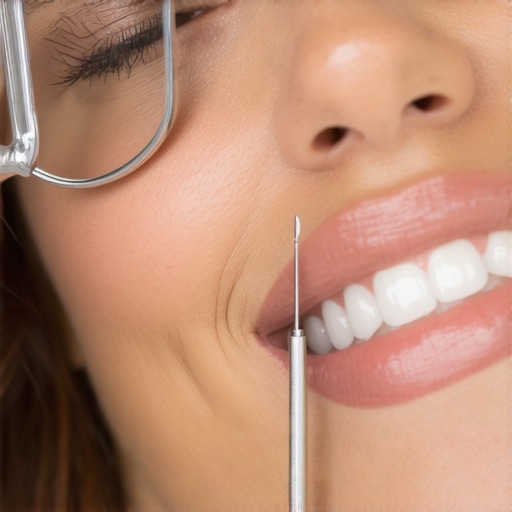 Many patients assume that all dental treatments are straightforward, but in reality, there’s a lot more complexity and nuance that often goes unnoticed. For instance, the common belief that veneers are a quick fix ignores the intricate considerations behind material choice, technique, and long-term maintenance. In my experience, choosing between porcelain veneers and bonding depends heavily on specific oral health factors and aesthetic goals, which are not always obvious to the untrained eye. To truly understand what makes a cosmetic procedure successful, it’s crucial to go beyond surface-level information and consider the advanced strategies that professionals employ. For example, recent studies highlight how the bonding process’s precision can significantly impact the longevity and natural appearance of veneers, emphasizing that not all veneers are created equal. This is why consulting with experts—rather than relying solely on general advice—is essential for achieving lasting results. When it comes to family dentistry, many overlook the importance of tailored preventive care that addresses individual risk factors, such as genetics or lifestyle habits, which can influence long-term oral health outcomes. A proactive, personalized approach can prevent issues before they escalate, yet many patients stick to generic checkups. Have you ever fallen into this trap? Let me know in the comments. Understanding these hidden details helps us make smarter decisions, avoid costly mistakes, and ultimately enjoy healthier, more confident smiles. If you’re curious about the most effective ways to enhance your oral health and aesthetics, exploring expert insights can be a game-changer. For instance, mastering the nuances of veneers or cosmetic dentistry involves understanding the subtle factors that influence durability and appearance. Also, appreciate that choosing the right procedure isn’t one-size-fits-all; it requires analyzing your unique dental anatomy and conditions. So, whether you’re considering dental implants or evaluating veneers, remember that beneath the surface lies a sophisticated process designed to optimize your results—something only experienced professionals can provide. By delving into these details, you can prevent common pitfalls and ensure your investment in your smile truly pays off for years to come.Maintaining your dental enhancements requires the right tools, sustainable routines, and a forward-looking approach. Personally, I rely on a high-quality ultrasonic scaler, such as the Waterpik Sonic-Fusion, which combines a water flosser and sonic toothbrush. This device helps me remove plaque effectively around veneers and implants, ensuring long-term health. Additionally, I use dental-specific whitening pens for touch-ups, which allow me to maintain bright aesthetics without frequent professional visits. For scheduling and tracking maintenance, I trust dedicated oral health apps like Dental Monitoring, enabling virtual check-ins and timely advice from my dentist, especially if I notice early signs of wear or discoloration. Modern tools aren’t just about convenience—they’re about precision. Picture an initial consultation with digital smile design software like DSDApp or Smile Designer Pro, which predicts how your chosen enhancements will age over time. Incorporating these technologies into your routine can preempt problems before they require costly repairs. Looking ahead, the trend is moving toward integrating artificial intelligence with dental IoT devices, providing real-time feedback on oral health status. Prediction suggests that in the next decade, smart appliances and remote diagnostics will become standard, simplifying long-term maintenance.
How do I maintain dental work over time?
Developing a robust routine with specific tools is essential. Regularly using an ultrasonic scaler, a quality water flosser, and scheduling routine checkups can prolong the life of veneers and implants significantly. Don’t underestimate the power of professional cleanings; they’re critical in preventing plaque buildup that can lead to chips or loosening. Remember that consistency beats occasional efforts—making these tools part of your daily routine ensures better results. Also, see a dentist familiar with advanced restorative techniques; their insights can help you optimize your maintenance plan. For instance, some patients benefit from custom night guards to prevent teeth grinding, which can wear down veneers prematurely. I recommend trying the latest in night guard technology that offers thinner, more comfortable designs with adjustable settings—these are becoming essential as studies like those from the American Dental Association highlight the increasing role of appliance-based protection. Proper maintenance tools, combined with proactive checkups and smart hygiene habits, form the foundation of a lasting, radiant smile. For detailed strategies suited to your needs, consider exploring family-friendly tips that support your ongoing oral health journey.
Over the years, Iound that my biggest lessons came from unexpected setbacks. One that stands out was realizing that even the most beautiful veneers or dental implants arenully withstand careless habits. It taught me that ongoing maintenance and smart choices are what truly protect your investment in a radiant smile. The small things I overlooked early on, like biting hard foods or neglecting regular checkups, could undo years of careful work. That insight pushed me to become more proactive and informed, and I want to share these personal revelations with you so you can avoid similar pitfalls.
What I Learned About Honoring Your Dental Work
- Consistency Is Key: Skipping routine cleanings or neglecting oral hygiene can accelerate wear and tear. Regular visits arenloor to catch issues early are essential. I now schedule checkups every six months and discuss any discomfort immediately to prevent small problems from worsening. Family dentistry tips reinforce that proactive care is the backbone of long-lasting results.
- Mind Your Habits: Chewing ice, opening packaging with teeth, or biting into hard candies can cause chips or cracks. I learned this the hard way after a minor crack turned into a bigger fracture. Adopting mindful chewing habits and avoiding damaging foods preserved my smile. Imagine your veneers and implants as delicate sculptures; they require gentle handling.
- Embrace Modern Tools Like smart water flossers and professional-grade whitening pens have become my allies in maintaining brilliance and health. They reach areas manual brushing sometimes misses. Discovering high-tech solutions has made my routine more effective and less time-consuming.
- Protect at Night A custom night guard has saved me from unknowingly grinding my teeth. Clenching or grinding can cause micro-damage over time. Sharing this, I urge you to consult your dentist about protective options tailored to your lifestyle, much like I did.
What You Might Not Know About Your New Smile
Many people assume that veneers or implants are a one-and-done deal. In reality, understanding the nuanced factors influencing their longevity is crucial. Material quality, the skill of your dentist, and post-procedure habits all intertwine. For example, recent studies highlight how precise bonding techniques significantly enhance lifespan and aesthetics. Navigating these complexities with expert guidance ensures your smile remains stunning and functional for decades.
As technology advances, so do our options for maintenance. From AI-driven monitoring apps to innovative materials that mimic natural enamel, the field keeps evolving. Staying informed and working closely with your dental team can keep your smile not just beautiful but resilient. For further insights, explore core content about veneers transformation and cosmetic dentistry secrets.
My Secret Arsenal for Long-Term Confidence
- Top-Quality Tools: A water flosser and electric toothbrush have become non-negotiables in my routine.
- Smart Monitoring: Using dental apps allows me to track my oral health and catch issues early before they escalate.
- Scheduled Checkups: Regular professional cleanings and assessments help maintain my smile’s integrity.
- Tailored Protective Devices: Custom night guards protect against grinding, preserving both veneers and natural teeth.
Your Smile Journey Starts Now
Remember, maintaining your dental work is an ongoing journey, not a one-time effort. Small, consistent actions today protect your confidence tomorrow. Whether you already have veneers or are considering implants, every choice influences your smile’s future. So why not start implementing these habits today and partner with experienced professionals? Your radiant, resilient smile deserves it. Interested in learning more about advanced restorative techniques or personalized care plans? Reach out through our contact page and take the next step towards lasting confidence.
What routines or tools have made the biggest difference in your dental health? Share your experiences below!
}#}#}Kristina, if you need further adjustments or additional content, feel free to ask!Here’s to your everlasting smile! 😊}]}#}ေး##create_posts【{