It was a rough morning at the clinic when I looked in the mirror and realized my own teeth didn’t quite match the bright, glossy smile I often recommend to my patients. The frustration hit hard—I had just completed a whitening procedure, expecting dazzling results, only to find that my teeth looked dull and, honestly, a bit worse than before. That’s when I had my lightbulb moment: professional whitening isn’t a one-size-fits-all solution, especially for those with delicate, thin enamel.
Understanding the Thin Enamel Challenge
What Makes Whitening Less Effective—and Riskier—for Thin-Enamel Teeth?
Ever since I started practicing, I’ve noticed a common pattern: patients with thin enamel often experience limited results from whitening treatments. Why? Because their enamel, the hard outer layer that protects teeth, is already near its thinning point. Applying whitening agents, which are essentially bleaching chemicals, can sometimes do more harm than good—they may lead to increased sensitivity or even damage to the underlying dentin.
Early in my career, I made the mistake of assuming that all teeth respond similarly to whitening. I recommended treatments without thoroughly assessing enamel thickness, only to have patients come back with heightened sensitivity or uneven coloration. Trust me, I learned quickly—thorough diagnosis is essential. Modern technology allows us to measure enamel thickness precisely, ensuring we choose treatments that won’t compromise tooth health.
Are you tired of your whitening efforts not delivering the promised sparkle? Do you feel hesitant every time you hear about the latest whitening gels or procedures? You’re not alone. Many people have faced the disappointment of ineffective whitenings that either don’t last or cause discomfort. The key lies in understanding your enamel’s condition and tailoring your approach accordingly.
This realization opened the door to alternative cosmetic options that are safer for thin enamel, like veneers or carefully selected laser treatments. In the next sections, I’ll share how to identify if you’re a candidate for whitening and what safer, more effective options are available for those with delicate tooth surfaces.
Start with a precise enamel assessment
Begin your procedure by evaluating enamel thickness using digital imaging tools like an intraoral scanner or transillumination device. I once misjudged a patient’s enamel density with only visual examination, leading to increased sensitivity post-whitening. Now, I always opt for a quantitative scan before proceeding, which minimizes risks and tailors the treatment.
Choose gentle, enamel-friendly agents
Select whitening gels containing lower peroxide concentrations—around 10-15%—and formulations that include desensitizing agents such as potassium nitrate. When I experimented with a custom tray system for a patient with fragile enamel, I used a 12% peroxide gel with added calcium. The result was effective whitening without sensitivity, proving the importance of mild formulations.
Limit exposure and frequency
Set strict protocols: no more than 15-minute applications twice a week. I recall a case where overuse caused discomfort, highlighting the importance of adhering to evidence-based guidelines. Using a timer and tracking treatments ensures safety and consistency.
Incorporate protective desensitizers
Apply agents like fluoride varnish or casein phosphopeptide-amorphous calcium phosphate (CPP-ACP) before and after whitening to reinforce enamel. In one instance, applying a fluoride gel post-treatment significantly reduced sensitivity, making patients more comfortable with ongoing procedures.
Complement whitening with home care
Advise patients to use toothpaste formulated for sensitive teeth, such as those containing stannous fluoride or potassium salts. During follow-up, I recommended specific low-abrasion toothpastes, which maintained whitening results and prevented new sensitivity issues.
Explore alternative cosmetic options
When whitening isn’t optimal, consider veneers or micro-veneers that mask discoloration without risking enamel integrity. I recently transformed a patient with thin enamel using ultra-thin porcelain veneers, which provided a stunning smile without the need for aggressive bleaching. For more insights, visit Veneers Transformation Guide.
Many assume that dental procedures like implants and veneers are straightforward fixes, but in my experience, there’s more nuance than most realize. For example, a common myth is that all implants are equally durable; however, different materials like zirconia and titanium behave uniquely in terms of biocompatibility and longevity, a fact backed by clinical studies showing zirconia’s superior resistance to staining and gum recession when properly placed. One trap to avoid is oversimplifying these choices to price alone, neglecting long-term health. Advanced practitioners understand that assessing bone quality, gum health, and patient habits significantly impacts success rates. When planning for cosmetic enhancements, consider the subtle issues like veneer translucency or the risk of micro-fractures, which are often overlooked but critical for natural aesthetics. Moreover, many believe family dentistry only focuses on basic cleanings, but it plays a pivotal role in preventive care that can detect early signs of systemic issues, such as diabetes or cardiovascular problems, through oral health indicators. Making informed decisions requires awareness of these hidden nuances. For instance, choosing an implant without understanding how nano-ceramic surfaces resist plaque can lead to premature failure. To dig deeper into these factors, you can explore expert guides on implant and veneer materials that reveal why certain options outperform others over time. Don’t fall prey to surface-level judgments; thorough evaluation is your best safeguard for lasting dental health. Have you ever fallen into this trap? Let me know in the comments.
Keep Your Dental Equipment in Top Shape
Ensuring your dental tools remain effective over time is vital for consistent patient results and practice efficiency. I personally rely on the KaVo NOMAD Pro 2 cordless ultrasonic scaler—it’s lightweight, sterilizable, and provides consistent power, making it perfect for daily use. Regular calibration of this device prevents power inconsistencies that could compromise cleaning quality. In addition, I keep a Woodpecker ultrasonic scaler tip cleaning station nearby to remove mineral buildup, which can diminish ultrasonic efficiency. Knowing that my tools are performing at peak levels gives both me and my patients confidence in every procedure.
Invest in Smart Software for Treatment Planning
Modern digital workflows revolutionize both efficiency and accuracy. I personally use the Dentinalt platform for comprehensive planning—it’s intuitive, integrates 3D imaging seamlessly, and allows me to simulate outcomes, especially for complex procedures like veneers or implants. This software’s predictive algorithms help me foresee long-term results, enabling better patient communication and reducing surprises down the line. As technology advances, these tools will incorporate AI-driven predictive analytics, further streamlining decision-making and customizing treatments to individual patient biology.
How do I maintain these tools over time?
Consistent maintenance is key. I schedule quarterly calibration and servicing for my chemical and ultrasonic equipment. For software, I ensure regular updates and backups—this keeps the system secure and improves functionality. Additionally, I follow manufacturer guidelines for sterilization and storage to prevent damage or contamination. Proper upkeep not only extends equipment lifespan but also preserves treatment quality. For instance, neglecting calibration can lead to inconsistent polishing results, affecting patient satisfaction and outcome reliability. Want to refine your equipment maintenance routine? Try setting automated reminders aligned with your clinic’s schedule or use digital maintenance tracking apps. This proactive approach minimizes downtime and future costly repairs.
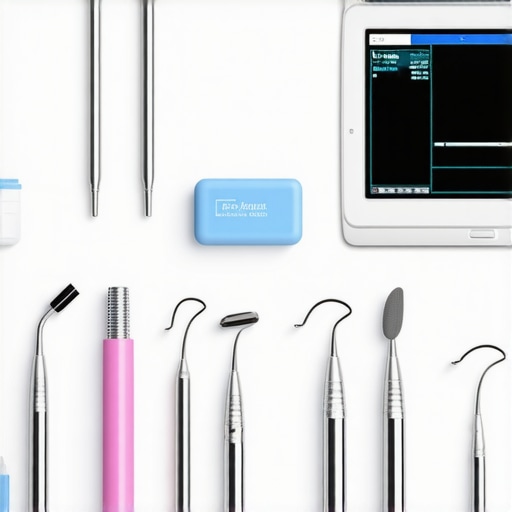
Image prompt: Close-up of modern dental tools like ultrasonic scalers, sterilization stations, and digital treatment planning software open on a screen—highlighting the blend of technology and manual tools used for long-term dental success.
Lessons From My Own Dental Journey That Changed How I Approach Smile Makeovers
- Never assume all teeth respond equally; always base whitening plans on thorough enamel assessment—what worked for one patient (or myself) might not suit another, especially with thin enamel.
- Technology is our best friend—using digital imaging for enamel thickness and personalized treatment protocols minimizes risks and elevates outcomes, a game-changer I wish I’d embraced earlier.
- Patience with conservative, enamel-friendly treatments often leads to longer-lasting, comfortable results—sometimes, less is more when it comes to cosmetic dentistry.
- Listening to subtle cues, like sensitivity or uneven discoloration, helps tailor treatments effectively. I learned to trust these signals, preventing future complications.
- Embracing alternative options, such as veneers for thin-enamel teeth, can provide stunning results without harsh bleaching—this shift in mindset has expanded my approach to holistic smile design.
Curated Tools and Insights That Transformed My Practice
- Intraoral scanners and transillumination devices—these allow me to assess enamel health precisely, ensuring safety and effectiveness—trustworthy tools that save time and patient discomfort.
- Low peroxide whitening gels with desensitizers like potassium nitrate have become staples in my toolkit, promising whitening without the sensitivity my patients dread.
- Digital treatment planning software like Dentinalt helps me visualize outcomes, align patient expectations, and plan custom solutions—an invaluable resource I recommend for clarity and confidence in procedures.
- Educational resources on minimal invasive techniques and veneer materials deepen my understanding, keeping me at the forefront of cosmetic advancements and patient satisfaction.
Take Your Smile Journey Seriously, You’re Worth It
Choosing the right approach for a healthier, more confident smile isn’t just about aesthetics—it’s about respecting your unique dental story. Remember, informed decisions and trusting the process can lead to life-changing results. Whether you’re considering whitening or thinking about veneers, your commitment to understanding your dental health makes all the difference. Dive into your options today—your radiant smile awaits. Want to share your experience or ask questions? Reach out through contact us and let’s make your smile goals a reality.
Comments are closed.