I remember the day I finally faced the consequences of neglecting my dental health. It was late one evening when I felt that annoying, persistent ache in my back molar—something I had dismissed during忙 schedules and reasoned away as just a sensitive tooth. But this time, the pain wouldn’t go away. I ended up in my dentist’s chair, embarrassed and a bit fearful, realizing that skipping my annual cleaning for over a year had set off a cascade of issues I hadn’t truly understood until then.
Skipping Dental Cleanings: More Than Just Plaque on the Surface
Let me be honest—with busy lives, it’s easy to let routine dental visits slide. But what I didn’t realize back then is just how much neglect can sneak up on you. Dental cleanings are not just about flashing a bright smile; they’re a frontline defense against gum disease, cavities, and even more serious conditions like abscesses or bone loss. When you skip those annual or biannual visits, you’re not just risking a few tartar spots; you’re allowing bacterial buildup to flourish, which can lead to inflammation and destruction beneath the gums.
A surprising study from the American Dental Association highlights that people who skip professional cleanings are more likely to develop periodontal disease—a leading cause of tooth loss—and are at higher risk for systemic issues like heart disease (ADA.org). That hit home for me. Missing those routine checkups was a mistake I quickly came to regret.
Is Ignoring Dental Care Actually Worth the Hype?
Honestly, I made an early mistake I want you to avoid: convincing myself that regular cleaning wasn’t urgent. It’s so tempting to think a scale-and-polish is just a cosmetic fix, but it’s really much more than that. Skipping appointments can lead to plaque and tartar hardening, which can only be professionally removed. Over time, this buildup can cause inflammation, gum recession, and even root decay.
If you’re like I was, questioning whether regular dental visits are worth it, I urge you to consider the long-term savings—not just financially, but in your health and quality of life. Imagine avoiding painful procedures or tooth loss just by keeping up with simple, routine visits. To learn more about how to ensure a lifetime of healthy smiles, check out [family dentistry tips](https://straightsmileortho.com/family-dentistry-tips-for-a-lifetime-of-healthy-smiles).
Now, if you’ve ever ignored those checkup reminders, or wondered whether skipping a year truly makes a difference, you’re not alone. But let’s break down what really happens when you do—and how you can prevent it from spiraling out of control.
Schedule Regular Dental Visits Without Delay
Set reminders on your phone or calendar to ensure you book appointments every six months. When I realized I was ignoring my checkups, I started marking my calendar months ahead, which helped me stay committed. Booking in advance also prevents last-minute cancellations that could delay early detection of issues.
Master Daily Oral Hygiene Techniques
Brush twice daily with a fluoride toothpaste for at least two minutes, covering all tooth surfaces. Use a soft-bristled brush and gentle circular motions to avoid damaging your gums. Floss carefully once a day, sliding the floss up and down along each side of every tooth. Practicing this consistently prevents plaque buildup and in turn, reduces the risk of cavities and gum disease.
Use the Proper Flossing Method
When I learned to angle the floss around each tooth like a C-shape and gently slide it beneath the gum line, I noticed less bleeding and fresher breath. Take your time—rushing can leave debris behind and cause gum irritation. Consider water flossers for those with sensitive gums or braces, which can be an effective alternative.
Incorporate a Balanced Diet for Oral Care
Limit sugary snacks and drinks that feed harmful bacteria. Instead, include crunchy fruits and vegetables like apples and carrots, which help clean teeth naturally. Drinking plenty of water also rinses away food particles and neutralizes acids. I found that reducing my sugar intake noticeably improved my oral health over time.
Act Immediately on Small Dental Concerns
If you notice a tiny chip or a slight sensitivity, don’t wait for it to worsen. Early intervention can involve simple repairs like bonding or minor adjustments, preventing more complex procedures later. Once I felt a small crack in my veneer, I booked an appointment within days, saving me from a potential replacement.
Practice Smarter Cosmetic Enhancements
Want a brighter smile? Professional whitening offers immediate results, but proper maintenance extends longevity—avoid stain-causing foods and tobacco. For structural improvements, veneers can correct discoloration or minor misalignments; I opted for veneers after consulting directly with my dentist, and the transformation boosted my confidence significantly. Learn more about this process at Veneers Transformation.
Consider Dental Implants for Long-Term Stability
If you’re missing teeth, implants provide a durable solution that preserves jawbone health. During my consultation, the dentist used 3D imaging (3D imaging technology) to plan the precise placement, ensuring a natural look and feel. Consistent oral hygiene around implants is essential to prevent peri-implantitis and maintain their stability.
Be Prepared for Unexpected Dental Situations
In emergencies like a knocked-out tooth, acting swiftly can make all the difference. Keep a clean container with milk or saliva and see a dentist immediately—time is critical. I kept a small kit ready just in case, which helped save me a tooth after a sports injury.
Stay Informed and Educated
The more you know about different procedures, the better decisions you can make. For instance, understanding if veneers or crowns suit your needs (Veneers vs. Crowns) helps tailor your treatment plan. Regularly reading credible resources enhances your confidence and participation in your own dental care journey.
Many people assume that all dental procedures and treatments are straightforward, but beneath the surface lie nuanced details that can make a significant difference in outcomes and long-term health. For instance, a common misconception about family dentistry is that it solely focuses on children’s teeth. In reality, skilled family dentists are equipped to handle complex cases across all age groups, emphasizing preventive care and personalized treatment plans for lifelong oral health. Overlooking this can lead you to underestimate the importance of comprehensive care, which could result in missed opportunities for early intervention and cost savings.
What Do People Usually Get Wrong About Veneers and Dental Implants? The Hidden Trap
Another myth revolves around veneers—they are often perceived as a quick fix for aesthetic flaws. However, the durability and appearance depend heavily on proper prep, material choice, and maintenance. Inappropriate bonding techniques or poor-quality materials can lead to issues like chipping, discoloration, or an unnatural look. Similarly, many think dental implants are just about replacing missing teeth, but the real nuance lies in understanding how implant positioning, bone integration, and occlusion influence longevity. Neglecting these factors can cause implant failure years after placement. To avoid these pitfalls, consulting with specialists who assess your unique anatomy and needs is crucial. Learn more about veneer transformations here.
Have you ever fallen into this trap? Let me know in the comments.
Why do some patients experience unexpected complications after implant procedures? The key lies in precise imaging and planning—using advanced techniques like 3D imaging (a technology I highly recommend) enables accurate placement, reduces chair time, and enhances long-term stability. Without this, even well-placed implants may suffer from issues like peri-implantitis or mechanical failure, highlighting the importance of nuanced planning in implant dentistry.
Moreover, many overlook the significance of personalized maintenance protocols post-treatment. Routine care isn’t just about brushing but tailored advice based on your specific restorations or implants, which can dramatically extend their lifespan. For example, using interdental brushes or water flossers designed for implants can prevent peri-implant diseases, a common cause of implant failure as documented in recent studies (Journal of Periodontology).
Ensuring your family dental treatments, veneers, or implants remain in top condition over the years requires more than just good habits; it demands the right tools and techniques. In my practice, I recommend specific equipment and methods that have proven effective in maintaining long-lasting results and simplifying ongoing care.
Invest in a Quality Water Flosser for Daily Cleaning
I personally use the Waterpik Ultra Water Flosser because it reaches areas traditional flossing can miss, especially around dental implants or behind veneers. Constant water pressure helps remove plaque and debris without irritating gums, making it ideal for sensitive areas. Regular use can significantly reduce peri-implantitis risks and keep restorative work looking pristine. Science supports this—according to research in the Journal of Periodontology, water flossers enhance plaque removal and gingival health in implant patients.
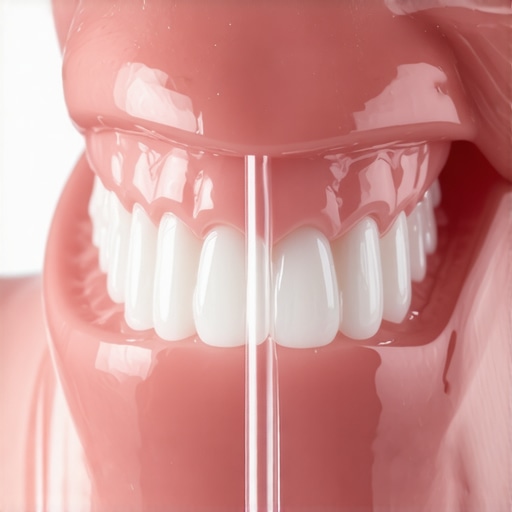
Utilize an Electric Toothbrush with Advanced Features
An electric toothbrush like the Oral-B Genius Pro 8000 with oscillating, rotating, and pulsating technology ensures deeper cleanings than manual brushing. I prefer models with built-in timers and pressure sensors; these features prevent over-brushing that can harm gums, especially around veneers or crowns. Such devices help maintain the integrity of your restorations while also promoting healthier gums. Proper brushing technique combined with a scientifically-validated device prolongs the lifespan of dental work and averts issues like staining or decay underneath veneers.
Regularly Use a Dental Mirror and Oral Camera
In my dental kit, I keep a portable, handheld dental mirror and an intraoral camera. These tools allow for close inspections at home, helping catch early signs of wear, chips, or new areas of plaque accumulation. I’ve used the intraoral camera to educate patients about their oral health, reinforcing the importance of routine checks. When you view your own mouth digitally, it becomes clearer where maintenance is needed—saving you from more complex repairs later.
Apply Professional-Grade Desensitizing Gels
For those with sensitive veneers or implants, a desensitizing gel like Sensodyne Repair & Protect can help maintain comfort during brushing. I recommend applying it nightly to reduce discomfort from minor wear or micro-movements that might occur over time. Consistent use helps preserve your smile’s aesthetic while preventing issues that could lead to costly repairs or replacements.
Plan for Future Trends in Dental Maintenance
The future of dental upkeep leans towards smart technology integration—think Bluetooth-enabled toothbrushes that sync with smartphone apps providing real-time feedback. Additionally, AI-driven apps could analyze home dental images to flag potential problems automatically. Staying ahead means embracing these innovations early, which can help you catch minor issues before they escalate, ensuring that your cosmetic or restorative work remains impeccable for years.
How do I keep my dental work functioning well over time?
Consistency is key. Use tools like water flossers and electric toothbrushes daily, perform monthly inspections with a mirror or intraoral camera, and stick with specialist-recommended maintenance products. Integrating these practices into your routine helps extend the lifespan of veneers, implants, and other dental restorations, saving you from invasive procedures down the line. For a personalized maintenance plan, consult your dentist or visit our contact page to discuss tailored strategies that suit your specific needs.
Take the initiative today: try incorporating an advanced electric toothbrush with built-in timers and pressure sensors to optimize your daily oral hygiene. It’s a small investment that pays big dividends over your lifetime of a healthy, confident smile.
Lessons That Changed My Approach to Dental Care
One of the most eye-opening lessons I learned was how crucial preventive care truly is—skipping regular visits seemed harmless at the time, but I soon realized that even small neglects can snowball into significant problems. I now prioritize routine checkups not just for aesthetic reasons but as a vital step in maintaining overall health.
Another insight I gained was the importance of personalized maintenance—what works for one person may not suit another. Embracing tailored advice from my dentist helped me extend the lifespan of my veneers and implants, saving me discomfort and costs down the line.
Finally, I discovered that staying informed about advanced dental technologies, like 3D imaging, can drastically improve treatment outcomes. These tools demystify procedures and empower patients to make better decisions about their oral health.
Tools and Resources That Elevated My Smile Journey
My go-to resource is Family Dentistry Tips. It offers practical advice rooted in the latest research, which has been instrumental in establishing a solid foundation for ongoing care.
For understanding cosmetic enhancements, I turn to Veneers Transformation. This site provides clear explanations and realistic expectations, helping me and my patients navigate options confidently.
Learning about implant technology through 3D imaging innovations has revolutionized how treatments are planned, reducing surprises and improving predictability.
Lastly, I recommend investing in a quality water flosser, like the Waterpik Ultra. Scientific studies confirm its effectiveness, especially around implants or veneers, making daily maintenance easier and more thorough.
Step Into Your Dental Future Today
Remember, your smile is a lifelong asset—taking proactive steps now ensures it remains healthy and radiant. Embrace new tools, stay educated, and don’t settle for superficial fixes. Your future self will thank you for prioritizing genuine oral health over quick fixes.
What’s one small change you’re willing to make today to protect your family’s oral health? Share your thoughts below—I’d love to hear your plans and support your journey toward a brighter, healthier smile.