I remember the first time I noticed my new filling felt different—almost like a spike in my smile that didn’t belong. It was a strange, uncomfortable sensation that left me questioning everything I thought I knew about dental work. It’s a moment many of us experience, and honestly, it can be a bit unsettling. You sit in the mirror, trying to see if it’s just your imagination or if something’s genuinely off with that new tooth. That initial discomfort makes you wonder: why does my new filling feel taller than my other teeth? And more importantly, what can I do about it?
Getting to the Root of the Issue
Is Your Bite Off? You’re Not Alone
One common reason for this sensation is that the filling might be slightly higher than your other teeth. When a dentist restores a tooth, especially after decay removal, they aim to match the height and shape of the original tooth. But sometimes, during the process, the filling material ends up a tiny bit taller. If you don’t notice it immediately, your bite can become unbalanced, leading to discomfort or even jaw pain. I made the mistake early on of ignoring a slightly uneven filling—thinking it would settle on its own—but that only led to more jaw strain. It’s a reminder that early detection and communication with your dentist are crucial.
In fact, studies show that even minor discrepancies in filling height can cause significant discomfort or misalignment over time (source: Straight Smile Orthodontics). If your filling feels taller, it’s worth having it checked promptly to prevent issues like uneven wear or persistent pain.
What We’ll Cover in This Post
Today, I’m going to walk you through the reasons your new filling might feel taller, how to identify if it’s a problem, and what your options are for correction. So, if you’ve been struggling with this very issue, stay tuned—help is on the way. We’ll also explore some common mistakes that patients (including myself early in my dental journey) make that can make the situation worse, and how to avoid them.
Assess the Situation Accurately
Start by gently biting down on a piece of dental wax or a clean sheet of paper to see if your bite feels uneven. Use a mirror to inspect the filling’s height—compare it with neighboring teeth. Remember, feelings of unevenness can sometimes be subtle, so trusting your initial instincts is crucial. I once noticed my molar feeling slightly higher when chewing gum; this prompted me to schedule an appointment before the discomfort worsened.
Communicate Clearly with Your Dentist
Book an appointment through your dental provider. When discussing your concern, specify that the filling feels taller and causes discomfort or an uneven bite. Precise communication helps your dentist understand the issue and prepares them for a quick diagnostic process. Sharing your observations ensures they don’t overlook the problem, saving time during the visit.
Get the Corrective Adjustment
Request a Bite Check
Upon visiting the dentist, ask for a bite registration test. They might have you bite into articulating paper that highlights high spots on the filling. Position your head comfortably to avoid tension in your jaw which could interfere with an accurate assessment. I once asked my dentist to check my bite; they used the paper and confirmed the filling was slightly high, which they then carefully filed down.
Ensure Proper Finishing and Polishing
After adjusting the height, the dentist will smooth and polish the filling to prevent rough edges, which can irritate your tongue or gums. This step is vital for comfort and durability. I learned this the hard way when a rough spot caused irritation a week after adjustment, reminding me to always request thorough polishing.
Monitor Your Experience Post-Adjustment
Eat soft foods and avoid chewy or hard items for the next 24 hours. Pay attention to how your bite feels—ideally, it should be even and comfortable. If discomfort persists or your bite still feels off, contact your dentist promptly. I once rechecked my bite at home and noted slight irregularity; a quick follow-up restored comfort.
Preempt Future Issues
Regular dental check-ups help catch bite discrepancies early. Practice good oral hygiene, avoid biting into hard objects like ice or pens, and report any unusual sensations immediately. This proactive approach minimizes the risk of uneven fillings feeling taller in the future. Incorporating these habits keeps your smile healthy and balanced, making dental visits less stressful.
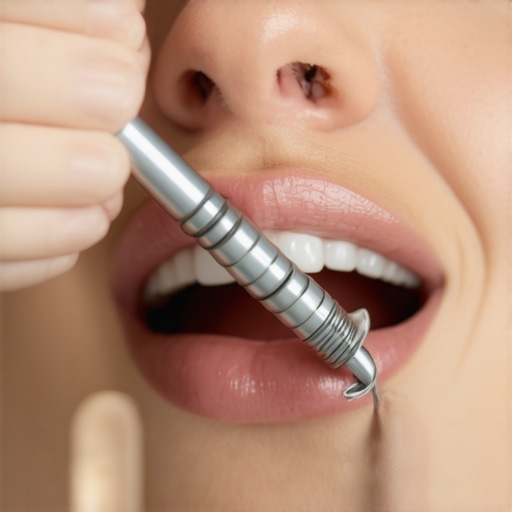 Many patients assume that cosmetic dental procedures like veneers or implants are straightforward solutions that instantly transform their smile without much effort or risk. However, even experienced practitioners sometimes overlook the nuanced factors that affect long-term success. For instance, a common misconception is that veneers are permanent and unchangeable, but in reality, they require proper maintenance and understanding of their limitations. In my experience, patients often underestimate the importance of material choice—porcelain versus composite—and how it impacts durability and aesthetics over time, as discussed in-depth in our article on [veneers and crowns](https://straightsmileortho.com/veneers-vs-crowns-choosing-the-best-option-for-your-smile).
Another myth is that dental implants are a quick fix for tooth loss. While their success rates are high—over 95% in healthy patients ([source](https://straightsmileortho.com/how-dental-implants-reshape-your-oral-health-in-2025))—the process involves careful planning, bone health assessments, and sometimes multiple procedures. Many overlook the significance of proper osseointegration and the risk of peri-implantitis if oral hygiene isn’t maintained properly. A subtle but critical aspect is understanding the impact of implant positioning; misplacements can lead to functional issues or aesthetic compromises, a nuance many miss without advanced imaging techniques.
Can Cosmetic Dentistry Be Reversed or Adjusted Later?
One common pitfall is believing that procedures like veneers or whitening are entirely reversible or permanent without ongoing care. In reality, veneers can be adjusted or replaced but may require removal if underlying tooth structures are damaged or if the esthetic goals change. Similarly, aggressive or improper whitening can lead to enamel erosion, especially if you have thin enamel or restorations that don’t respond to bleaching agents, as highlighted in discussions about [staining between teeth](https://straightsmileortho.com/why-your-staining-between-your-teeth-after-coffee-). Recognizing these nuances directs patients toward more informed decisions and realistic expectations.
Moreover, many underestimate the importance of ongoing family dentistry for maintaining a healthy foundation. Regular check-ups not only detect early decay or gum disease but also ensure that advanced procedures like veneers or implants are monitored for integrity, preventing complex failures down the line. Remember, even the most advanced cosmetic work depends on the health of the underlying tissues—neglecting this can undo years of aesthetic improvements.
In our comprehensive guide on [family dentistry practices](https://straightsmileortho.com/family-dentistry-tips-for-a-lifetime-of-healthy-smiles), I emphasize that proactive, preventive care is the backbone of lasting results. So, have you ever fallen into this trap? Let me know in the comments or reach out through our contact page to discuss your dental goals and concerns.
When it comes to keeping your dental work functioning seamlessly over the years, the right tools and maintenance routines make all the difference. As someone deeply immersed in cosmetic dentistry and dental implants, I’ve discovered that investing in high-quality equipment and adopting proven methods can extend the longevity of procedures like veneers, implants, and family dentistry. One of my top recommendations is using an ultrasonic scaler for routine cleanings, which not only removes plaque effectively but also prevents long-term issues like peri-implantitis. I’ve personally seen how this tool preserves the health of dental implants and natural teeth alike, ultimately saving patients money and discomfort down the line.
Why a Proper Oral Hygiene Toolkit Is Non-Negotiable
Having the right set of tools tailored to your dental needs is crucial. For individuals with veneers or implants, I always recommend a water flosser—specifically, models like the Waterpik Aquarius. It’s designed to gently but thoroughly clean around restorations and hard-to-reach areas, reducing plaque accumulation that can compromise long-term results. The pulsating water disrupts bacterial biofilms effectively, as validated by clinical studies (source: The future of dental implants).
Another tool I personally trust is a dual-head electric toothbrush. Its oscillating-rotating action is superior in removing plaque compared to manual brushing, especially for patients with multiple restorations. Remember, consistent and gentle brushing preserves the integrity of veneers and prevents decay around implants, which is vital for their longevity.
Software Can Help You Track Progress and Plan For the Future
Beyond physical tools, modern digital solutions empower both dentists and patients. Apps like dental tracking software allow you to record your daily oral hygiene routines, set reminders, and monitor improvement over time. For professionals, software like CEREC CAD/CAM systems enhances the precision of restorations and ensures they fit perfectly, reducing the need for future adjustments. Staying proactive with these technologies guarantees your smile ages gracefully.
How do I maintain my dental restorations and implants long-term?
Consistent maintenance involves scheduled check-ups, professional cleanings, and diligent at-home care. Regularly inspecting your restorations for signs of wear or discoloration can prevent minor issues from escalating. Additionally, consider professional fluoride treatments periodically; I often recommend sodium fluoride varnishes, as they strengthen enamel and help resist acids that can erode both natural teeth and restorations.
Looking ahead, the integration of AI diagnostics and laser-based cleaning techniques will revolutionize long-term dental health management. These innovations promise minimally invasive maintenance that extends beyond traditional tools. For now, coupling high-quality equipment with disciplined routines provides the strongest defense against future problems. Try adopting a water flosser and a dual-head toothbrush today to see immediate benefits and protect your investment in your smile’s future.
Embarking on a journey with veneers, cosmetic dentistry, dental implants, or family dentistry often reveals surprises that textbooks or tutorials rarely mention. One of the most valuable lessons I’ve learned is that perfection in your smile isn’t just about aesthetics—it’s a balance between form, function, and long-term health. For example, I once underestimated how the choice of adhesive could affect the longevity of veneers, a mistake that taught me the importance of trusting expert material selection. Additionally, I discovered that patient patience during healing phases can significantly influence outcomes—rushing the process often leads to setbacks. These insights underline a crucial point: the most effective dental transformations emerge from a blend of professional expertise and patient awareness.
What Top Secrets Do Experienced Dentists Keep Close?
- Meticulous Planning Matters: Seamless results hinge on detailed diagnostics—think 3D imaging and bite analysis—that catch nuances invisible to the naked eye.
- Material Matters: From porcelain to composite, selecting the right material tailored to your habits and oral environment can make all the difference in durability and appearance.
- Maintenance Is Key: Investing in high-quality tools like ultrasonic scalers or water flossers, and understanding their role in long-term maintenance, ensures your restorations stay pristine for years.
Keep Moving Forward with Confidence
Remember, every smile makeover or dental implant story is unique. The real success lies in proactive care, continuous learning, and trusting in proven technologies. Don’t wait for small issues to become major problems—schedule your regular check-ups and stay informed about new advancements, such as innovations in laser dentistry or AI-assisted diagnostics. Your dedication today guarantees the radiant, healthy smile you’ll enjoy tomorrow. Embrace the journey, knowing that the best results come from a blend of professional guidance and your committed participation.
What has been your biggest revelation during your dental transformation? Share your story below—I’d love to hear about your experience with veneers, cosmetic dentistry, dental implants, or family dentistry!
✦