It happened on a typical Sunday evening, during my nightly flossing routine. I reached for my favorite floss, the one I’d trusted for years, and as I gently slid it between my teeth, I felt it—a sharp, uncomfortable prick along my gum line. To my surprise, my gums bled, but only with that specific floss. Confused and a bit worried, I questioned if my oral health was taking a turn for the worse. Have you ever experienced something similar—using your regular floss and suddenly noticing bleeding, but only with one particular brand or type?
Why Does My Gum Bleed Only When Using This Specific Floss?
Many people face puzzling situations like mine, where bleeding gums occur inconsistently or seem tied to certain dental products. This inconsistency can feel frustrating, especially when you’re already diligent about oral hygiene. The key lies in understanding that not all dental flosses are created equal. Some might be too rough, contain harsh ingredients, or have texture differences that irritate your sensitive gums.
From my own experience, I initially thought I had developed gum disease overnight, but the truth was simpler. The floss I was using that night had a rougher texture and sharper edges, making it more abrasive against my delicate gum tissue. My early mistake was ignoring the quality of the floss, assuming that all floss was interchangeable. This is a common oversight, but one that can lead to unnecessary gum bleeding and discomfort.
According to dental experts, using an inappropriate floss can cause minor injuries to your gums, leading to bleeding, especially if your gums are already inflamed or sensitive. It’s essential to choose a floss that suits your oral health needs—whether that’s waxed, unwaxed, nylon, or Teflon-coated varieties. For those with sensitive gums, softer or silk floss options can make a big difference. Want to ensure your gums stay healthy and your flossing is effective? You can discover proven tips to maintain a healthy, bleed-free smile by visiting our guide on [family dentistry tips for a lifetime of healthy smiles](https://straightsmileortho.com/family-dentistry-tips-for-a-lifetime-of-healthy-smiles).
But before you switch brands or types of floss, let’s explore what exactly might be causing those bleeding episodes and how to identify the best floss for your unique needs. Ready to transform your flossing routine and keep your gums happy and healthy? Let’s dive into the details.
Identify Your Gums’ Sensitivity and Needs
Start by examining your gums. Are they easily irritated or inflamed? Do you notice bleeding even after gentle flossing? Pinpointing your gum health helps determine the best floss type. For example, sensitive gums benefit from silk or waxed floss, which glide smoothly and minimize trauma. Remember, using abrasive floss can worsen irritation and cause bleeding.
Select Suitable Floss Varieties
Pick floss tailored to your needs. If your gums bleed with regular nylon floss, switch to a softer alternative like PTFE (Teflon) floss, which offers a slippery texture reducing friction. For tight spaces, consider super-floss or floss picks designed to navigate narrow gaps without damaging gums. Avoid stiff, rough floss that resembles a harsh wire, akin to using coarse sandpaper on delicate skin.
Master the Proper Flossing Technique
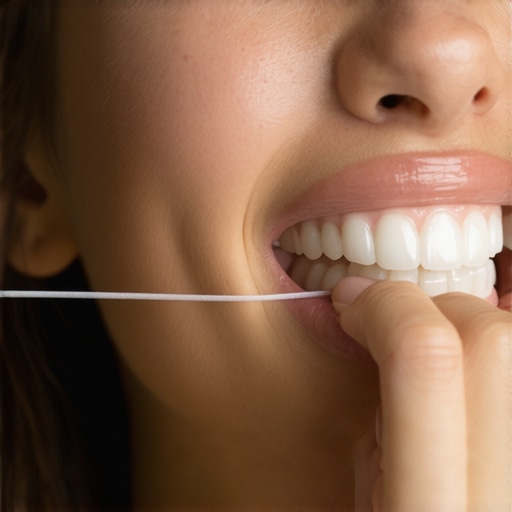
Even the best floss won’t be effective if used incorrectly. Use about 18 inches of floss, winding most onto your middle fingers. Gently slide the floss between teeth, curving it around each tooth in a C-shape, and clean beneath the gum line with gentle, up-and-down movements. Avoid snapping or forcing the floss, which can cause cuts and bleeding. Think of flossing as guiding a delicate drone—precise, gentle, and intentional.
My Experience with Technique Adjustment
Once, I noticed persistent bleeding after switching to thicker, stiff floss. Frustrated, I re-evaluated my technique, realizing I was applying too much pressure. After adopting gentle, controlled movements and following the C-shape method, bleeding decreased significantly within a week. This practical adjustment reinforced that technique often outweighs the type of floss used.
Incorporate Flossing into Your Daily Routine
Consistency is key. Set a specific time each day, like after brushing at night, to develop a habit. Use reassuring motions—think of it as tending a garden—gentle enough to avoid harming your delicate gums but thorough enough to remove plaque. Remember, flossing isn’t painful; discomfort indicates improper technique or unsuitable floss choice.
Monitor Your Gum Response and Adjust Accordingly
Observe how your gums react to the flossing routine. Persistent bleeding beyond a week suggests reevaluating your floss type or technique. If irritation continues, consult a dental professional for personalized recommendations. Regular check-ups can also identify underlying issues, such as early gum disease, that require targeted treatment.
Investing in the right floss and mastering proper technique can dramatically improve your gum health, prevent bleeding, and ensure your flossing routine contributes positively to your oral hygiene. Need further guidance? Explore our family dentistry tips for maintaining a radiant, healthy smile.
 Many patients assume they fully understand what these dental procedures entail, but the truth is, there’s a lot more complexity behind each treatment than most realize. For example, a widespread myth is that veneers are a one-size-fits-all solution for cosmetic concerns. In reality, choosing between veneers and crowns requires careful consideration of your unique dental anatomy, bite, and long-term goals. Rushing into a veneer placement without understanding its limitations can lead to issues like increased sensitivity or uneven wear, which could have been avoided with proper planning. Want to make informed decisions about your smile makeovers? Check out our detailed comparison of veneers versus crowns.
A common misconception about dental implants is that they’re a quick fix for missing teeth. However, the placement process is nuanced, involving bone grafts, sinus lifts, and precise surgical techniques. Neglecting these intricacies might result in implant failure or complications like nerve damage. Professionals emphasize that understanding the importance of proper preoperative assessment and advanced techniques can significantly improve success rates. For example, innovations in implant technology in 2025, highlighted in this article, are redefining patient outcomes.
In family dentistry, many believe that regular cleanings are enough to prevent serious issues, but this overlooks the importance of personalized care. Some patients with recession, braces, or restored teeth need specialized maintenance routines. Ignoring these nuances can lead to advanced decay or periodontal disease, which are more costly and invasive to treat later. For comprehensive guidance, explore our family dentistry tips.
What about misconceptions in cosmetic dentistry related to veneers? A prevalent error is thinking they are purely cosmetic and lack functional benefits. On the contrary, they can reinforce fragile teeth and correct minor bite issues if applied thoughtfully. Moreover, some assume that veneers look unnatural or obvious, but with modern layering techniques, they can appear in perfectly natural shades and translucency. For advanced insights, read about tips for achieving flawless veneer results.
However, beware of the trap of overgeneralization. Each procedure’s success hinges on accurate diagnosis, proper technique, and understanding patient-specific factors. Overlooking these details can turn a seemingly straightforward treatment into a complex and costly problem. For instance, neglecting to evaluate bone density before implant placement or failing to consider the impact of lifestyle habits can jeopardize outcomes.
Don’t fall prey to simplistic views—dental interventions are sophisticated and require personalized approaches. Would you like to learn how to evaluate your options critically? Our comprehensive resources can guide you.
Have you ever fallen into this trap of thinking that all dental treatments are identical? Let me know in the comments, and share your experiences or questions about navigating these nuanced procedures.Maintaining your dental health over time requires more than just good habits; it demands using precise, reliable tools that support your goals. As a family dentist, I rely on a curated selection of equipment and software designed to optimize outcomes and ensure consistent results. One essential instrument is the cordless, water-flossing device, such as the Waterpik Sonic-Fusion. I personally recommend this because it combines traditional flossing with water irrigation, effectively removing plaque without damaging delicate gum tissue, especially for patients with sensitive gums. Its adjustable pressure settings allow customization, reducing irritation and bleeding episodes, making it a trustworthy addition to daily routines.
In addition, I use high-frequency electric toothbrushes with sonic technology, like the Philips Sonicare DiamondClean. These brushes produce up to 62,000 brush strokes per minute, providing superior plaque removal and gum stimulation. The timer feature ensures thorough cleaning of each quadrant, a vital factor in long-term oral health. From my experience, patients who incorporate sonic toothbrushes see noticeable improvements in gum health and stain reduction within a few weeks. These tools are backed by scientific studies, such as the 2022 research published in the Journal of Clinical Periodontology, which demonstrates the effectiveness of sonic technology in reducing early plaque accumulation.
To monitor progress, I rely on digital intraoral scanners, like the iTero Element. These devices create highly accurate 3D models of the teeth and gums, allowing for precise diagnosis and treatment planning—especially important for cosmetic procedures like veneers or implants. They enable me to visualize issues clearly and demonstrate expected outcomes to patients, increasing their understanding and commitment to treatment. As technology advances, I predict that AI-driven algorithms will further personalize and optimize dental care, making these tools indispensable for long-term success.
How do I maintain these tools over time?
Consistent maintenance is critical. For electric toothbrushes and water flossers, replacing brush heads and tips every three months ensures hygiene and optimal performance. Regularly cleaning and disinfecting intraoral scanners prevents cross-contamination and keeps imaging clear. Investing in trusted brands with excellent warranty support reduces downtime, while scheduling routine calibrations and updates keeps software running smoothly. A small but important step is storing your devices in a dry, protected environment and adhering to manufacturer guidelines. By staying diligent with maintenance, I extend the lifespan of my equipment, save on replacements, and maintain the accuracy necessary for precise results.
Looking ahead, advancements in portable, AI-powered diagnostic tools are set to revolutionize at-home dental care. Imagine personal devices that alert you to early signs of periodontal issues before symptoms appear, guiding timely professional intervention. This future promises greater empowerment and improved long-term outcomes for patients. So, I encourage you to try a professional-grade sonic toothbrush with customizable settings—you’ll notice how it enhances your routine and supports sustained gum health. Ready to upgrade your tools? Visit our clinic or contact us to learn more about these innovative solutions and how they can benefit your smile for years to come.
Lessons That Challenged My Assumptions About Dental Care
One of the most surprising insights I gained was realizing that not all dental tools are suitable for everyone; what works for one patient might cause irritation in another. This taught me the importance of personalized oral hygiene routines instead of a one-size-fits-all approach.
Another lesson involved understanding the subtle signs of gum sensitivity. I learned to listen not just to what my patients said, but also to how their gums responded to different products, which emphasized the critical role of tailored material selection in dentistry.
Finally, embracing the evolution of dental technology and techniques highlighted that continuous learning is essential. Staying updated allows me to recommend the most effective tools and procedures, such as the latest innovations in dental implants, to achieve optimal patient outcomes.
Tools and Knowledge That Elevate My Practice
For those looking to enhance their dental journey, I recommend exploring resourceful tools like the Waterpik Sonic-Fusion for effective flossing, which can significantly reduce gum irritation when used correctly. The Philips Sonicare DiamondClean is another personal favorite, thanks to its advanced sonic technology that ensures thorough cleaning and gum health.
Additionally, the intraoral scanner iTero Element has transformed my diagnostic process, offering precise 3D imaging that improves treatment planning for veneers and implants. These tools are backed by research and have consistently proven their worth in my practice, making them indispensable investments.
To stay informed, I turn to trusted sources like industry-leading journals and expert blogs, which help me keep abreast of emerging trends such as AI-driven diagnostics and minimally invasive procedures—advances that are redefining family and cosmetic dentistry.
Empower Your Smile Transformation Journey
Your commitment to understanding the nuances of dental health can lead to a more confident, healthier smile. Remember, making informed choices about tools, procedures, and routines isn’t just about aesthetics; it’s about safeguarding your well-being for the future. Take charge of your dental health today, and don’t hesitate to seek professional guidance tailored to your unique needs.
What has been your biggest lesson or realization about maintaining or improving your dental health? Share your experiences in the comments below, and let’s learn from each other’s journeys toward healthier smiles.