I remember the exact moment I first noticed it—a sudden, unexplainable metallic taste lingering in my mouth right after my dental implant procedure. It was disorienting, almost enough to make me question whether something had gone wrong. I’d expected some discomfort, maybe a little bleeding, but that persistent, weird metallic flavor took me by surprise. At first, I thought it was just part of the healing process, something I could ignore. But as days turned into weeks, I realized this taste was more than just a minor inconvenience—it was a sign that I didn’t fully understand what was happening in my mouth.
Why That Metallic Taste Might Be More Than Just Your Imagination
This peculiar sensation isn’t just a strange quirk; it can signal underlying issues that need attention. Many people brush off this metallic flavor, assuming it’s temporary or harmless. However, it could be related to your body’s reaction to metal implants or other materials used during dental procedures. Sometimes, it’s a sign of corrosion, inflammation, or even an allergic response. Understanding the root cause is essential, especially since ignoring it might lead to complications like infections or compromised healing.
Have You Experienced This Metallic Taste and Wondered If It’s Normal?
Trust me, I made that mistake early in my journey. I dismissed it as typical post-surgical side effects and didn’t seek help right away. That was a crucial error. Early missteps like ignoring unusual symptoms can prolong discomfort or worsen outcomes. Instead, I wish I had reached out sooner to a dental professional to get clarity. If you’re facing this problem, know you’re not alone—and help is available. For more insights, I recommend checking out this resource that explains the link between metal allergies and implants.
In the sections ahead, I’ll walk you through the real reasons behind this metallic taste, how to identify if your symptoms are cause for concern, and actionable steps you can take to restore comfort and confidence in your smile. Let’s dive into the basics so you can finally get to the bottom of this unsettling sensation and move forward with informed, empowering decisions.
Assess Your Symptoms Clearly
First, keep track of when the metallic taste occurs—does it happen immediately after procedures, or does it linger days later? Note any other symptoms like swelling, redness, or discomfort. This detailed observation will help your dentist pinpoint whether it’s a reaction to materials like titanium or signs of other issues. For example, during my own experience, I created a simple diary that included times of flare-ups, which proved invaluable during my consultation with the specialist.
Examine Material Compatibility and Reaction
Dental implants and veneers often involve metals like titanium or nickel, which can cause allergic responses or corrosion over time. To determine if your metallic taste relates to this, request allergy testing or material analysis from your provider. I once learned that alternative materials like zirconia are less reactive, which can be beneficial if you’re sensitive. Understanding this can lead you to opt for biocompatible options, preventing future discomfort. You can explore more about material choices in this resource.
Prioritize Professional Evaluation
Schedule an appointment with your dentist or oral surgeon promptly. Describe your symptoms in detail; mention the timing, intensity, and any correlating activities like eating or brushing. They may perform tests such as imaging or remove and examine the implant components for corrosion or debris. During my visit, I insisted on a thorough check, which included X-rays and a review of my implant’s fixture. The result revealed minor corrosion, which was addressed through minor adjustments and replacing some materials.
Implement Oral Hygiene and Maintenance Routines
Effective daily cleaning can significantly reduce corrosion risks. Use non-abrasive toothpaste and soft-bristled brushes. For implants, special interdental brushes or water flossers help clean hard-to-reach areas without disturbing the delicate tissues. I adopted a gentle routine, focusing on meticulous cleaning around my implant, which minimized bacterial buildup and irritation. Additionally, rinsing with alcohol-free antimicrobial mouthwash can help keep the environment neutral and reduce metallic tastes caused by bacteria or inflammation.
Consider Material and Treatment Updates
If ongoing symptoms persist, ask your dentist about replacing problematic components or switching to different materials. In some cases, veneers or crowns can be redone with biocompatible ceramics like porcelain or zirconia, which don’t corrode or cause allergies. I once upgraded my veneers to these materials after a negative reaction, resulting in a noticeable improvement in taste and comfort. To help you decide, explore the differences between veneers and crowns here.
Monitor and Follow Up Regularly
Keep regular check-ups and communicate any changes in your symptoms. Persistent metallic taste warrants ongoing evaluation to prevent complications like inflammation or tissue damage. Establishing a routine with your dental team ensures issues are spotted early. During my experience, scheduling semi-annual visits allowed me to track improvements and promptly address new concerns, ensuring my oral health remained optimal.
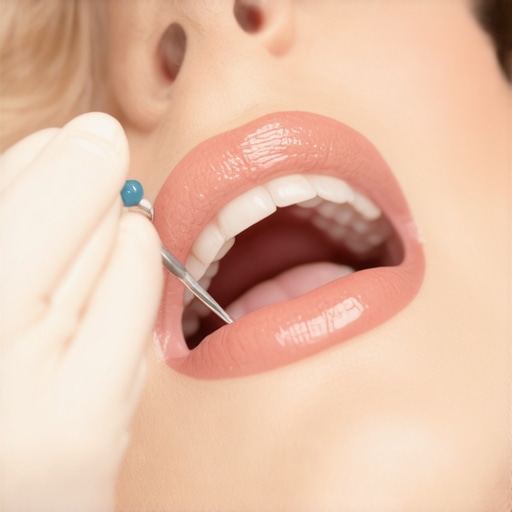 Many people enter the world of cosmetic dentistry with a set of assumptions that, while widespread, are often oversimplified or incorrect. One of the biggest myths is that veneers are a quick fix for any aesthetic issue, but in reality, they require careful consideration of your facial proportions and bite alignment to ensure a natural look. Similarly, dental implants are sometimes perceived as a permanent and maintenance-free solution; however, neglecting proper oral hygiene and regular check-ups can lead to implant failure or complications down the line. Conversely, many believe cosmetic procedures are purely superficial, but advancements in treatment techniques and materials now offer not only beauty enhancements but also functional benefits that improve oral health.
A hidden nuance often overlooked is how family dentistry plays a crucial role in preparing younger patients for future cosmetic procedures. Early interventions and education about oral habits can set the foundation for successful aesthetic treatments later. For instance, untreated malocclusions or decay in adolescence might complicate future veneer placements or orthodontics. Additionally, some assume that cosmetic dentistry is only for adults with perfect teeth, but many modern practices tailor treatments for patients of all ages, emphasizing preventive care and early cosmetic interventions.
Beware of falling into the trap of thinking that all dental materials are the same. For example, while porcelain veneers are highly durable and stain-resistant, not all composites or ceramic options offer the same longevity or biocompatibility. Selecting the right material depends on comprehensive factors like bite forces, aesthetic goals, and tissue health. Consulting with an experienced specialist can make a significant difference. As highlighted in expert reviews, understanding these nuances ensures long-term satisfaction and avoids the costly mistake of choosing inappropriate materials.
It’s also worth noting that some misconceptions stem from marketing claims rather than scientific evidence. For instance, the idea that switching to cheaper or ‘over-the-counter’ solutions can substitute professional cosmetic treatments often leads to subpar results or damage. Professional guidance ensures the safest, most effective approach—whether it’s choosing between veneers versus crowns, or understanding how implants can reshape your overall oral health, as discussed in this detailed guide.
Finally, keep in mind that comprehensive family dentistry sets the foundation for successful cosmetic outcomes. Regular check-ups allow early detection of issues that could compromise aesthetic treatments, such as gum disease or decay. For practical tips on maintaining a healthy smile across generations, visit this resource. Remember, a holistic approach that combines preventative, functional, and aesthetic care is key to achieving and maintaining beautiful, healthy teeth.
Have you ever fallen into this trap? Let me know in the comments.
Maintaining your dental investments, like veneers, implants, or crowns, requires specific tools and diligent routines. Over the years, I’ve curated a set of equipment that ensures my smile stays healthy and my restorations remain pristine.
Invest in a High-Quality Ultrasonic Cleaner
Daily plaque buildup around veneers or implants can compromise their longevity. I use an ultrasonic toothbrush sanitizer, which effectively removes debris that traditional brushing might miss. This device uses ultrasound waves to dislodge accumulated grime, preventing staining and bacterial growth. I personally prefer models with a built-in UV sterilizer, like the Ultrasonic Dental Cleaner Pro, because it provides an extra layer of sanitation after brushing.
Choose the Right Oral Hygiene Tools
For delicate areas around implants and veneers, interdental brushes are invaluable. I recommend using tapered, silicone-tipped brushes, such as the TePe Interdental Brushes, to gently clean between teeth and along the gumline. These minimize abrasions and ensure proper cleaning without damaging the restorative materials. Additionally, a water flosser with adjustable pressure settings helps remove stubborn food particles without disturbing the bond of your restorations.
Utilize Software for Maintenance Scheduling
Digital health management is transforming how we care for dental work. I rely on a mobile app that tracks my regular check-ups, provides reminders for cleanings, and logs any discomfort or changes seen. Regular monitoring prevents minor issues from escalating. Some practices even offer integrated patient portals, where you can review your treatment history and schedule future appointments—much more efficient than phone calls or paper records.
Embrace Teleconsultations for Minor Concerns
In the era of digital dentistry, remote consultations can provide quick assessments for minor symptoms. If I notice a slight discoloration or discomfort around an implant, I schedule a virtual visit with my dentist. Being able to share high-resolution photos or videos allows for expert advice without delay. This approach is especially useful for busy families, aligning with broader family dentistry tips to maintain everyone’s oral health.
Looking ahead, technological advancements like AI-powered diagnostic tools and smart sensors embedded in restorations could revolutionize long-term care. These innovations will enable real-time monitoring of oral health issues before they become critical, saving time and extending the lifespan of dental work. For example, in 2025, I expect to see sensors that track pH levels or micro-movements in implants, alerting us early to potential problems.
How do I maintain my dental restorations over time?
Consistent maintenance involves combining effective tools with proactive scheduling. Using an ultrasonic cleaner weekly, incorporating interdental brushes daily, and leveraging digital health apps streamline care—giving your restorations a fighting chance to last for decades. Don’t forget, addressing issues early with teleconsultations can prevent costly repairs or replacements. For more insights on keeping your smile healthy, explore this detailed guide. Also, try setting up a weekly cleaning ritual with your preferred ultrasonic device to ensure consistent care.
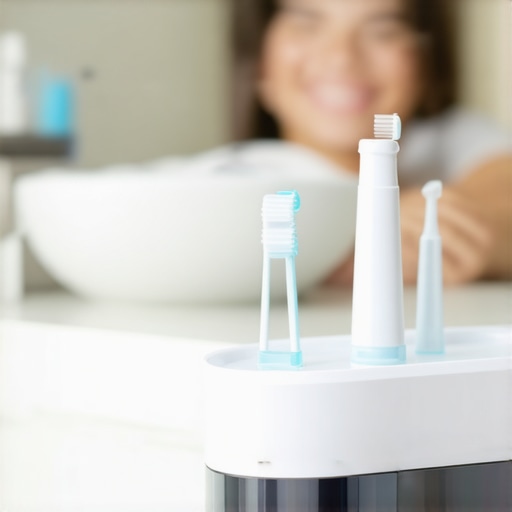
The future of dental maintenance is exciting, with innovations that will make long-term care more accessible and precise. By staying informed about new tools and embracing technology, you can keep your veneers, implants, and crowns functioning beautifully for years to come.
What I Didn’t Expect About The Beauty of Smiles
One of the most profound lessons I learned is that cosmetic dentistry is as much about the emotional journey as it is about the physical transformation. Initially, I thought procedures like veneers or whitening were simple upgrades, but I discovered they carry a deeper significance—restoring confidence, alleviating anxiety, and transforming lives beyond appearances. Embracing this holistic view has made me appreciate the artistry and dedication of dental professionals more than ever.
The Power of Personal Stories Behind Every Smile
Hearing stories from others who have undergone cosmetic enhancements revealed that every smile has a unique story—struggles with self-esteem, overcoming dental fears, or just the desire for a fresh start. These narratives remind me that a smile is a personal emblem of resilience. Sharing my own experience with dental implants helped me connect with others and reaffirmed that true beauty shines through authenticity and confidence.
Why Choosing Natural-Looking Results Matters More Than Perfection
In my pursuit of an ideal smile, I initially prioritized flashy, Hollywood-style results. However, I soon realized that harmony and authenticity are what truly matter. Opting for treatments that complement facial features and preserve natural characteristics yields more satisfying, enduring outcomes. This insight has guided me to seek professional advice that balances aesthetics with function, ensuring my smile remains genuine and comfortable.
Miniature Choices, Major Impact
The small decisions—such as selecting the right shade, material, or shape—can make a significant difference over time. I learned that investing time in consultations and understanding options like zirconia for implants, or custom shading for veneers, leads to personalized results that boost self-assurance. These details, often overlooked, build the foundation for a smile that truly feels like it belongs to me.
Curated Steps to Long-Term Smile Confidence
- Prioritize regular check-ups and open communication with your dental team. They can anticipate and address subtle issues before they escalate.
- Invest in quality tools like water flossers and non-abrasive toothpaste to maintain restorations and natural tissue health.
- Explore innovative materials—like biocompatible ceramics—that prevent reactions and infections, ensuring longevity.
- Stay informed about advanced technologies, such as AI diagnostics or smart implants, which are shaping the future of cosmetic and family dentistry.
Embrace Your Journey Toward a Radiant Smile
Understanding these personal revelations offers more than just practical knowledge—it’s a reminder that your smile is a reflection of your unique story. With mindful decisions and a compassionate dental team, you can foster confidence that radiates from within. Don’t shy away from exploring options and asking questions; your best smile awaits. For a comprehensive approach tailored to your needs, consider visiting this resource and starting your transformative journey today.
What small change have you considered to enhance your smile’s natural beauty? Share your thoughts below—I’d love to hear your story!