It was just a tiny hairline crack in my molar—the kind I brushed off as nothing more than a minor inconvenience. But one evening, that insignificant crack suddenly became a throbbing pain, making me realize I had ignored a potential disaster lurking in my mouth. That moment was a lightbulb for me: small problems can hide serious risks, especially when it comes to dental health. Today, I want to share my journey and help you avoid my mistake.
The Hidden Danger of Overlooking a Tiny Crack in Your Tooth
Imagine this: a seemingly harmless crack on the surface of your tooth. It’s so small that you barely notice it. Maybe you think, “It’s nothing. It’ll heal on its own,” or perhaps you’re just too busy to schedule that dental appointment. But what if I told you that ignoring such a small crack can snowball into a much larger nightmare—like infections, fractures, or even the loss of your tooth?
When I neglected my tiny crack, bacteria gradually seeped inside, weakening the tooth’s structure from the inside out. That tiny fissure became a breeding ground for decay and, eventually, a root canal ordeal. Believe me, I learned firsthand that what seems minor today could turn into a big problem tomorrow. And it’s not just about pain; it’s about potentially risking your overall health and wallet.
So, how do I know? Well, early in my case, I made a common mistake: dismissing the crack as insignificant without consulting my dentist. That delay cost me both time and money. Experts warn that even superficial cracks can expose your pulp to harmful bacteria if left untreated. According to the American Dental Association, small cracks or chips can lead to significant damage if neglected, emphasizing the importance of prompt care.
What I want to do now is help you recognize the signs and take action before a minor issue becomes a major one. Whether it’s a tiny crack from biting into something hard or a small chip that seems inconsequential, don’t dismiss it. Your future self will thank you for catching it early.
Are you currently ignoring a little crack in your tooth, thinking it’s no big deal? If so, you’re not alone—but that doesn’t mean you should keep delaying. In the following sections, I’ll guide you through how to identify the risks and what steps to take to protect your smile. Because a small crack today could be the start of a much bigger problem if left untreated. Let’s explore how to prevent that from happening.
Inspect and Identify the Damage
Start by examining your tooth in a well-lit mirror, looking for any visible lines, chips, or rough edges. Use a clean toothbrush or dental mirror to feel for cracks or rough spots that aren’t obvious visually. During my experience, I noticed a slight roughness on my molar that I initially dismissed, but a closer inspection revealed a tiny crack that needed attention.
Assess the Severity and Risks
Determine whether the crack is superficial or deep. Superficial cracks may only affect the enamel, while deeper ones could expose inner pulp tissue. If you’re unsure, avoid probing with objects that could worsen the damage. Remember, a tiny crack can act like a gateway for bacteria—think of it as a small hole in your house’s wall that lets pests in. The deeper the crack, the higher the risk of infection.
Schedule a Prompt Dental Consultation
Contact your dentist immediately upon noticing any crack. Don’t delay; quick action can prevent bigger problems. During my visit, the dentist examined my tooth with special tools and confirmed the crack’s depth. For minor cracks, they might suggest filling or sealing; for more significant damage, options like veneers or crowns may be necessary. Learn more about family dentistry tips for a lifetime of healthy smiles [here](https://straightsmileortho.com/family-dentistry-tips-for-a-lifetime-of-healthy-smiles).
Explore Restorative Options
Depending on the crack’s severity, your dentist will recommend suitable treatments. For minor cracks, dental bonding or sealants can effectively protect the tooth. If the crack is extensive, a veneer or crown could be the answer. For example, veneers are like thin, custom-made jackets for your teeth—they cover imperfections and provide strength without requiring extensive reshaping. Check out how veneers can transform your smile [here](https://straightsmileortho.com/veneers-transformation-unlocking-your-best-smile-yet).
Implement Preventive Measures
To avoid future cracks, consider your habits and diet. Avoid biting into hard objects like ice or nuts. Use a mouthguard if you grind your teeth at night. Maintain strong, healthy enamel by using fluoride toothpaste and avoiding acidic foods. Remember, prevention is better than repair; regular check-ups can catch issues early before they become emergencies. For tailored family tips, see family dentistry advice [here](https://straightsmileortho.com/family-dentistry-tips-for-a-lifetime-of-healthy-smiles).
Stay Consistent with Dental Care
Brush twice daily, floss regularly, and attend routine check-ups. Consistent care helps keep your teeth resilient against cracks and decay. During my routine visits, my dentist shared that early detection of minor cracks often prevents the need for complex restorations like crowns or implants. Regular visits are your best line of defense against unexpected dental issues.
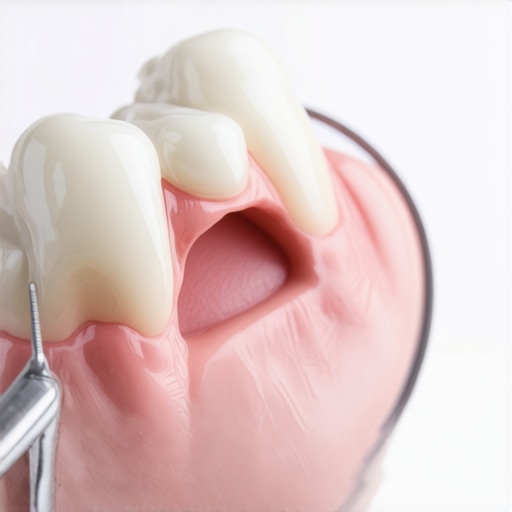 When it comes to cosmetic dental treatments, many assume they are foolproof solutions or quick fixes. However, even experienced professionals emphasize that misconceptions abound, especially regarding dental implants and veneers. A common myth is that dental implants are maintenance-free—that couldn’t be further from the truth. Proper oral hygiene is crucial because neglecting it can lead to peri-implantitis, a serious infection that threatens the longevity of your implant. Studies show that up to 20% of implants may fail due to neglect or improper care, highlighting the importance of ongoing maintenance. Moreover, some believe veneers are purely superficial—designed only for aesthetics. In reality, modern veneers often serve as functional restorations that protect compromised teeth and prevent further damage. Knowing the difference can save you money and disappointment. But here’s a trap many fall into: choosing a veneer or implant solely based on price instead of quality. Cheaper options may lack durability or proper biocompatibility, leading to issues down the line. Advanced mistakes also include neglecting the importance of transparency about materials used; for instance, some veneers are made with porcelain, which resists staining, while others involve composite resins that discolor over time. Being informed about these nuances makes all the difference.
Why do some patients experience unexpected failures or dissatisfaction despite current treatments?
A less obvious factor is the misalignment between patient expectations and realistic outcomes. For example, some assume that a quick cosmetic fix will last forever—ringing true for veneers but ignoring the need for regular touch-ups and good habits. Experts suggest that our habits, like chewing hard objects or grinding, can jeopardize even the most well-placed restorations. It’s essential to tailor your maintenance routine and choose an experienced dentist familiar with the latest advancements. An illustrative case: bio-ceramic implants, which are a newer technology, outperform traditional titanium options because they integrate better with bone, reducing the risk of failure. As documented in recent research, these advanced implants can last significantly longer and resist staining better than older varieties, making them a smarter investment for longevity. To stay ahead, it’s advisable to stay informed through reputable sources like expert articles that discuss emerging trends.
In essence, many of the misunderstandings about cosmetic dentistry stem from assumptions that treatments are one-size-fits-all and foolproof. Recognizing the nuances, such as proper material selection, maintenance, and realistic expectations, can greatly influence your results. It might be tempting to cut costs or ignore professional advice, but this can result in oops moments—like needing re-treatments or facing complications down the road. So, always ask questions and seek detailed information from your dentist.
Have you ever fallen into this trap? Let me know in the comments. Staying informed and cautious will help you make smarter decisions and preserve your smile for years to come.Maintaining your dental restorations requires more than just good habits; it demands precision tools and effective methods. I personally rely on a high-frequency sonic toothbrush, like the Philips Sonicare DiamondClean, which significantly outperforms manual brushes in cleaning around veneers and implants by reaching deep into hard-to-access areas. Additionally, I use an interdental brush—specifically the TePe Supreme—to clean between teeth and around crowns, preventing plaque buildup that can cause decay or staining. For monitoring the health of implants and veneers over time, I recommend regular use of a magnification mirror, such as a double-sided LED mirror with 10x magnification, allowing detailed inspections without visiting the dentist for every minor concern. Keeping these tools on hand facilitates daily maintenance and early detection of issues, ultimately prolonging the lifespan of your dental work. Looking ahead, advancements like AI-powered dental sensors are expected to integrate with mobile apps, providing real-time analysis of oral health and提醒ing you to areas that need attention, making long-term care more accessible and precise.
How do I maintain my dental restorations over time?
Incorporate consistent cleaning routines using appropriate tools, like the sonic toothbrush and interdental brushes, to remove plaque and prevent staining. Schedule regular dental check-ups—at least twice a year—to allow your dentist to assess the integrity of your restorations and catch any early signs of wear or damage. Also, stay informed about new technologies; for example, the latest bioceramic implant materials from recent studies (see here) demonstrate how material science is improving long-term durability and aesthetics. Don’t forget to inquire about professional polishing techniques, like micro-abrasion, which can restore the gloss of veneers and crowns without invasive procedures. To solidify your routine, consider setting reminder alerts for daily cleaning and biannual visits—these small steps lead to significant results over the years. For family-friendly tips on ongoing oral health, visit this resource. Ready to take your maintenance to the next level? Try incorporating an interdental brush into your daily routine—they’re simple but highly effective at preserving the integrity of your restorations.
What My Experience Taught Me About Hearing the Tiny Crack
Sometimes, the smallest flaw can hide the biggest danger—like a tiny crack in a tooth that seemed insignificant but revealed its true potential for disaster when it caused pain. I learned the importance of listening to your oral instincts, trusting your dentist’s advice early, and acting swiftly to prevent costly repairs. This journey reminded me that proactive care often saves more than reactive fixes.
Tools That Saved My Smile—and Can Save Yours
From high-quality sonic toothbrushes to advanced magnification mirrors, investing in the right tools can make all the difference in maintaining and spotting issues early. I recommend trying products like the Philips Sonicare DiamondClean or TePe interdental brushes, which have helped me catch problems before they escalated. Regular check-ups combined with these tools create a powerful defense for your dental health.
Bringing Heart to Your Dental Routine
Your smile isn’t just about aesthetics—it’s a reflection of your overall well-being. Approaching dental care with genuine care and curiosity turns routine check-ups into opportunities for meaningful health improvements. Remember, a healthy smile boosts confidence and quality of life; it’s worth every effort to keep it shining bright.
Inside My Toolkit for Long-Lasting Restorations
Using a sonic toothbrush, interdental brushes, and professional polishings are game-changers. Advanced materials like bio-ceramic implants or nano-ceramic veneers are also part of my routine, and staying informed through sources like these expert articles helps me make smarter choices. Regular check-ups ensure these investments last for years, enhancing both function and beauty.
Rise to the Challenge—Your Smile Is Worth It
Your dental health journey is personal yet universal. A small crack or a tiny chip can be the beginning of something much bigger if neglected. Embrace proactive care, make informed decisions, and don’t wait for pain to act. Your future self will thank you for the years of confidence and comfort that good dental habits bring. So, what step will you take today to safeguard your smile? Let me know below.
Comments are closed.