Imagine this: you’re biting into an apple, and suddenly, a strange dull ache radiates from the back of your mouth. You brush it off as a minor irritation, but deep down, you wonder—could that be my wisdom tooth causing trouble? I’ve been there. Early in my dental journey, I made the mistake of dismissing similar symptoms, thinking it was just a normal part of getting older. But little did I know, impacted wisdom teeth can cause significant discomfort and even shift your other teeth over time.
Why Recognizing Impacted Wisdom Teeth Matters Today
Understanding the signs of an impacted wisdom tooth without relying solely on dental X-rays is more important than ever. For one, X-rays aren’t always immediately accessible, especially if you’re trying to avoid dental visits during busy schedules or uncertain times. Plus, the symptoms can mimic other dental issues, leading to confusion. Knowing what to watch for can save you from unnecessary pain, costly procedures, or more complicated dental problems down the line. Research shows that impacted wisdom teeth frequently lead to cyst formation, infections, and misalignments if left unmanaged—even without noticeable swelling or visible signs. Being proactive is key.
Is It Really Possible to Detect Impacted Wisdom Teeth at Home?
Here’s where I want to be honest. I once believed I could intuitively tell if my wisdom tooth was impacted—big mistake. I ignored persistent discomfort because I thought, “It’s probably just my jaw being stubborn.” Turns out, that was a common misunderstanding. Relying on symptoms alone can be tricky, but there are some reliable indicators you can observe. I’ll share my personal experience to help you avoid the same pitfall and guide you toward better awareness.
Examine Your Symptoms Carefully
Start by being aware of persistent discomfort, dull ache, or swelling in the back of your mouth, especially if it comes and goes or worsens over time. Check for signs like bad taste, difficulty opening your jaw, or adjacent tooth pain. For example, I once noticed a lingering ache in the far corner of my lower jaw after meals, which prompted me to pay closer attention.
Use Your Finger and Mirror to Detect Swelling
Gently feel around your wisdom tooth area with clean fingers in front of a mirror. Look for swelling, redness, or tenderness. I remember feeling a slight puffiness and soreness when I pressed near my lower molars, which was a red flag for me to explore further. This tactile check can reveal subtle signs that often precede more severe problems.
Pay Attention to Changes in Tooth Alignment
Notice if neighboring teeth are shifting or becoming crowded, especially if new gaps or overlapping appear. I saw a slight crookedness developing in my lower teeth, which made me realize that impacted wisdom teeth could be pushing nearby teeth out of position.
Observe Any Difficulties in Biting or Chewing
If biting feels off or there’s persistent discomfort while chewing on one side, it could indicate impaction. I experienced a dull ache while biting down in a specific area, prompting me to consider the possibility of an impacted tooth if other signs existed.
Assess Oral Hygiene Complications
If you notice foul odor or bad taste that doesn’t improve with brushing, it might be related to trapped food or infection around impacted wisdom teeth. I once found it challenging to keep the areas near my molars clean, which was a warning sign of impaction or infection risk.
Consider the Timing and Your Age
Impacted wisdom teeth are more common in late teens and early twenties, but they can occur at any age. If you’re within this range or experience symptoms, take actions promptly to prevent complications.
Take a Nighttime Self-Check
Sometimes, grinding or clenching during sleep causes widespread jaw pain. If you notice waking up with sore jaw muscles, it can be related to impacted teeth pressing on nerves or tissues. I noticed morning soreness after a period of teeth grinding, which intensified my concern about hidden impactions.
Document Your Symptoms and Symptom Progression
Keep a diary of what you experience, noting duration, intensity, and any triggers. This record can be helpful when consulting your dentist and may reveal patterns indicative of impaction.
Schedule a Professional Evaluation Without Delay
If these self-assessments point toward impacted wisdom teeth, prioritize booking an appointment at your local family dentist. While home observations are valuable, a definitive diagnosis requires professional imaging. For more tips on maintaining long-term oral health, visit family dentistry tips.
Many people assume that choosing a family dentist or opting for cosmetic treatments like veneers or dental implants is a straightforward decision, but there are subtle misconceptions that can lead to costly mistakes. One common myth is the belief that all dental practitioners are equally qualified to perform advanced cosmetic procedures. In reality, specialization and ongoing training dramatically influence the quality of results. For example, while any licensed dentist can offer veneers, those with a focus on cosmetic dentistry and proper certification—such as through advanced courses highlighted on expert veneer application tips—typically achieve more natural and durable outcomes. Relying solely on general credentials may leave you disappointed with the final look or facing unnecessary touch-ups.
Is Your Dentist Truly Experienced with Cutting-Edge Techniques?
One nuanced mistake many overlook involves the misconception surrounding dental implant technology. Some believe that implant success is just about placing the titanium screw, but the latest research indicates that the precision of placement—using advanced 3D imaging and computer-guided surgery—significantly impacts longevity and comfort. As detailed in future-focused dental implant innovations, improper technique can result in nerve injury, implant failure, or bone loss. It’s crucial to consult practitioners who leverage these cutting-edge methods rather than those still relying solely on traditional approaches. Do not be fooled by advertisements promising quick fixes; the real expertise lies in tailored, technology-driven solutions that maximize success rates.
Another critical aspect they often get wrong is underestimating the importance of comprehensive oral health assessments before cosmetic procedures. For instance, choosing veneers without addressing underlying decay or gum disease can accelerate deterioration and compromise the aesthetics you desire. According to leading experts in cosmetic dentistry, a thorough evaluation ensures that treatments align with your overall health, avoiding unnecessary complications down the road. So, before jumping into cosmetic enhancements, ask your dentist about their holistic assessment process, and don’t hesitate to seek a second opinion if something feels rushed.
Many people also misunderstand what differentiates traditional crowns from veneers. While both improve appearance, the choice depends on nuanced factors like enamel thickness, bite force, and the condition of your natural teeth. A common mistake is opting for veneers hoping they will last forever, without understanding their limitations—such as vulnerability to chipping if you grind your teeth or bite hard foods. Consulting detailed guides like comparing veneers and crowns can help set realistic expectations and ensure you make informed choices suited to your unique needs.
Finally, a significant oversight involves neglecting the preservation of your natural structures during cosmetic procedures. For example, aggressive tooth removal or excessive enamel reduction can weaken the tooth and lead to further decay. Modern techniques prioritize minimally invasive methods, leveraging tools and materials that maximize preservation, as discussed in secrets to successful cosmetic procedures. Being aware of these nuances can save you from future discomfort or the need for extensive repairs.
In conclusion, understanding the advanced nuances and avoiding common misconceptions can elevate your dental choices from good to exceptional. Whether considering family dentistry or high-end cosmetic treatments, research, experience, and technology play pivotal roles. Have you ever fallen into this trap? Let me know in the comments.
Mastering Long-Term Dental Care with the Right Tools
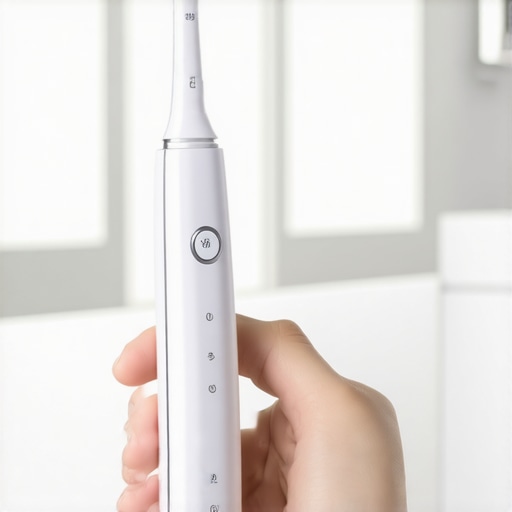
Maintaining your dental health isn’t just about what you do during visits—it’s equally about leveraging effective tools to support daily routines. From high-quality electric toothbrushes to advanced oral health software, choosing the right equipment makes a tangible difference. I personally swear by the Philips Sonicare DiamondClean for its superior plaque removal and gentle gum care, which helps me maintain a cleaner, healthier mouth day in and day out. Pairing it with a water flosser like the Waterpik Aquarius transforms my flossing routine, reaching areas traditional floss often misses—especially around implants or veneers. Regular use of these tools creates a foundation that reduces the risk of complications and extends the lifespan of cosmetic procedures.
Automate Your Monitoring for Better Results
Investing in digital oral health tracking apps like Brush DJ or Dental Monitoring can elevate your maintenance game. I’ve adopted Dental Monitoring, which allows my dentist to review photos and data remotely, catching issues early before they develop into costly problems. This approach is especially crucial if you’ve undergone veneers or implants—where catching wear or deterioration early makes a significant difference. As technology advances, software that analyzes your brushing patterns and provides personalized feedback will become standard, helping you refine your technique over time, and ensuring your investment in cosmetic dentistry remains intact for as long as possible.
Optimize Your Routine with Expert-Backed Techniques
Using tools alone isn’t enough; proper technique ensures maximum benefit. For example, I recommend replacing traditional toothbrushes with sonic devices because their oscillating heads dislodge plaque effectively without damaging enamel. Additionally, incorporating interdental brushes designed for tight spaces, like the GUM Soft Picks, helps clean around braces, bridges, and implants. These might seem like small steps, but they collectively extend the longevity of your cosmetic procedures and improve overall oral health. Remember, regular professional cleanings are your backbone—combine them with these tools for superior results.
Forecasting the Future of Dental Maintenance
The growing integration of AI and smart technology suggests a future where your dentist can monitor your oral health in real-time through connected devices. Automated alerts for plaque buildup, early signs of gum recession, or even decay detection could become a common part of life, preventing major issues before symptoms appear. As I see it, adopting these tools now is a proactive move—empowering you to take control of your dental destiny and ensuring that your veneers, implants, or cosmetic treatments stay stunning and functional for decades to come.
How do I keep my cosmetic dental work looking perfect over time?
One strategy I highly recommend is scheduling regular professional evaluations combined with at-home use of advanced tools like LED whitening kits or enamel strengthening gels, as outlined in cosmetic dentistry secrets. These steps help preserve your investment and can revive the brilliance of your smile long-term. Don’t settle for just doing the basics—try incorporating a high-tech electric toothbrush paired with personalized feedback from your dental provider to truly maintain that flawless finish.
What I Wish I Knew When Choosing a Smile Makeover
One of the toughest realizations I had was that not all cosmetic dentists are created equal—skills, specialties, and technology can dramatically impact results. I once trusted a general practitioner for veneers, only to be disappointed with the final appearance and longevity. My lightbulb moment was discovering that board-certified cosmetic specialists with advanced training and cutting-edge tools deliver the stunning, durable smile I’d hoped for. Don’t settle for the first opinion—seek experts who prioritize continuous education and innovative techniques to ensure your smile reflects your best self.
Why Overlooking Long-Term Maintenance Can Cost You
I learned the hard way that maintaining your cosmetic investments requires more than just a beautiful initial result. Regular professional check-ups, combined with at-home tools like LED whitening or enamel-strengthening gels, extend the lifespan of veneers and implants. I used to think once they were done, my part was over—until chips and discoloration crept in. Now, I know proactive care with the right tools and routine visits preserves your smile’s brilliance for years. Remember, your smile’s health is a journey, not a one-time event.
False Assurances About Pricing and Treatments
Another lesson I wish I’d grasped sooner was that cheap and quick fixes often come at the expense of quality. I was tempted by low-cost options promising rapid results, but they lacked the durability and aesthetics I ultimately wanted. Investing in comprehensive assessments and technologically advanced procedures ensures your smile not only looks great but also lasts. Be wary of promises that sound too good to be true—true value lies in expertise, quality materials, and personalized care. Your smile deserves the best for a lifetime of confidence.
My Trusted Resources for Family and Cosmetic Dentistry
Over the years, I’ve relied on several sources to guide my decisions. Cosmetic dentistry secrets by top experts provided insights into choosing the right procedures and materials. For comprehensive family oral health tips, family dentistry tips helped me build daily routines that prevent issues before they arise. When exploring the latest implant technologies, innovations in dental implants kept me informed about future-proof solutions. Trusting credible, expert-backed sources has made all the difference in my smile journey.
The Power of a Personal Commitment to Smile Wellness
The final piece of my experience is embracing the mindset that maintaining a perfect smile is an ongoing commitment, not a one-time project. Regular check-ins, adopting advanced tools, and staying informed about innovations empower you to keep your dental health and aesthetic results thriving. You’re not alone in this—your journey is unique, but the right knowledge and tools can unlock long-lasting confidence. Remember, the best smiles are built on continuous care and informed choices. Take that first step today and invest in your oral health—your future self will thank you.