I’ll never forget the moment I realized my fresh dental extraction wasn’t healing quite right. It was after a routine wisdom tooth removal, and instead of feeling the expected numbness receding, I was hit with a dull ache that gradually turned sharper. I thought, “Is this normal? Or did I mess something up?” That lightbulb moment made me realize how tricky it can be to tell if your healing process is smooth sailing or if you’re headed towards an infection. And honestly, I wished I knew more back then.
Why Recognizing the Difference Is More Important Than You Think
Understanding whether your extraction site is healing properly or developing complications is crucial. Ignoring warning signs can lead to serious issues like dry socket or infections that prolong pain and slow down your recovery. Early identification means you can seek prompt treatment and avoid unnecessary discomfort or even more invasive procedures down the line. As someone who’s been through this, I can assure you that catching problems early is priceless — and it’s easier than you might think when you know what clues to watch for.
Is It Really Just Normal Healing, or Is Something Wrong?
It’s totally normal to experience some swelling, mild discomfort, or even slight bleeding after a dental extraction. But tracking what’s typical versus concerning can be confusing. For example, persistent or worsening pain, foul taste, or unusual swelling might point to an infection. I once ignored a slight increase in discomfort, thinking it was just part of healing, only to find out days later that I had developed dry socket. Trust me, I learned the hard way that being aware of warning signs can save you a lot of pain and trouble.
If you’re ever in doubt, don’t hesitate to consult your dentist. They can evaluate your healing process and provide personalized advice. Plus, I recommend reading this article for more insights on oral health and post-extraction care. Now, let’s explore some common signs that indicate whether your recovery is on track or if it’s time to seek help.
Keep an Eye on Your Healing: Step-by-Step Guidance
Once the initial pain subsides, it’s time to monitor your healing closely. Start by gently inspecting your mouth each day, looking for persistent swelling or bleeding. Use a clean mirror and good lighting to examine the extraction site for any signs of visible infection or unusual tissue color. During this phase, avoid irritating the area with aggressive brushing; instead, rinse with a saltwater solution—dissolve half a teaspoon of salt in a cup of warm water—and swish gently for 30 seconds twice daily. I remember a time I neglected this step, which led to increased swelling and discomfort; a quick saltwater rinse the next day helped reduce inflammation and sped up healing. Maintaining proper oral hygiene can prevent bacterial buildup that worsens healing issues.
Recognize Key Warning Signs
Next, familiarize yourself with specific symptoms that indicate trouble. For instance, if you notice a foul taste or persistent bad smell, it could signify an infection. Also, watch for increasing pain that doesn’t respond to over-the-counter medications, or if the pain radiates to your ear or jaw. Swelling that worsens after the first few days, or pus draining from the site, demands prompt attention. In my experience, a sudden sharp pain coupled with foul odor was a clear sign to see my dentist immediately. Remember, early intervention can prevent complications like dry socket, which is extremely painful and delays recovery. Trust your instincts—if something feels off, consult your dental professional without delay.
Manage Minor Symptoms Effectively
For mild issues, applying an ice pack over your cheek in 15-minute intervals can reduce swelling. Over-the-counter pain relievers like ibuprofen can help manage discomfort, but don’t exceed recommended doses. Keep your head elevated when resting, as this minimizes blood flow to the area and lessens swelling. Maintaining a soft diet avoids irritating the site—think smoothies, yogurts, and mashed potatoes. I once tried eating crispy toast too soon and ended up irritating the wound, which prolonged healing. If you notice mild bleeding, place a clean gauze pad over the site and apply gentle pressure for 15 minutes. Avoid smoking or using a straw, since suction can dislodge the blood clot and cause dry socket, a mistake I learned from firsthand experience. Consistent care during this phase is critical for proper healing.While many believe that all dental procedures are straightforward, the reality is far more nuanced, especially with advanced treatments like dental implants and veneers. A common misconception is that veneers are merely superficial cosmetic solutions; in fact, their longevity and appearance depend heavily on subtle factors like preparation techniques and material choices. Overlooking these can lead to issues like gray shadows near the gumline, which some assume are just aesthetic flaws but could indicate improper bonding or thin enamel removal. Similarly, many think that cosmetic dentistry is purely about whitening or veneers, but comprehensive smile makeovers often require balancing functional, structural, and aesthetic considerations for optimal results. It’s a mistake to assume one-size-fits-all approaches will suffice, especially since individual anatomy and oral habits influence success.
Why do some patients experience unexpected sensitivity after veneer placement, even when the procedure was perfect?
This question taps into the advanced tissue responses and bonding techniques that can impact nerve sensitivity. Experts note that improper bonding or removal of excessive enamel can expose dentin, leading to persistent discomfort. A study published in the Journal of Esthetic & Restorative Dentistry highlights that precise preparation and adhesive techniques reduce these risks significantly, emphasizing the importance of selecting an experienced clinician familiar with the latest materials and methods. Additionally, understanding the science of bonding and tooth structure can help patients set realistic expectations and avoid unnecessary retreatments. Learn more about the subtle nuances between veneers and crowns to make informed decisions. When discussing family dentistry, many overlook that maintaining childhood dental habits and regular check-ups are foundational for avoiding complex procedures later in life. An advanced error I often see is neglecting to address early signs of misalignment or decay, which, if caught early, can prevent extensive restorative work. Remember, dental health isn’t just about fixing problems; it’s about understanding the detailed mechanics of your oral environment to prevent them.
Have you ever fallen into this trap? Let me know in the comments and share your experiences with nuanced dental treatments.
Maintaining your dental implants, veneers, or overall family dental health requires more than just regular brushing and flossing. Having the right tools and techniques ensures your investment lasts for years to come. I personally rely on specific equipment and software that streamline my routine and help me catch potential issues early, saving time and preventing costly repairs.
Why I Switched to an Ultrasonic Toothbrush
Traditional manual toothbrushes are effective, but I found that an ultrasonic toothbrush, like the Philips Sonicare DiamondClean, significantly improves plaque removal and gum health. Its high-frequency vibrations disrupt plaque and bacteria deep between teeth, which is especially crucial for patients with dental implants or veneers where plaque buildup can lead to complications. I also appreciate its smart timer and pressure sensor, preventing over-brushing that can damage delicate restorations.
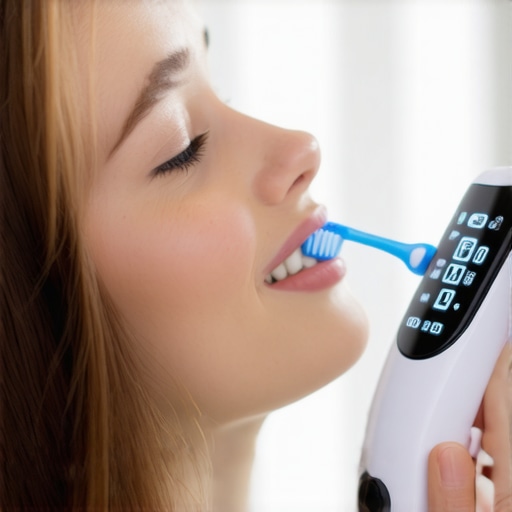
Implementing High-Tech Saliva and Plaque Monitors
To keep tabs on my oral environment, I use devices like the Oral-B Bluetooth-enabled toothbrush that syncs with dental health apps. These tools not only track brushing habits but also flag areas missed during routine cleaning. The data helps me and my dentist adjust my cleaning protocol proactively. This approach minimizes the risk of peri-implantitis or veneer staining over time and ensures my smile stays bright and healthy.
Why Investing in a Dental Microscope Pays Off
For more advanced care, I recommend utilizing a dental microscope, such as the Global Surgical Corporation’s model, during routine check-ups and procedures. This equipment reveals minute plaque deposits, micro-cracks, or early signs of decay invisible to the naked eye. By catching issues early, you can address them before they escalate into bigger problems, reducing the need for invasive treatments and enhancing the longevity of your restorations.
How Do I Maintain My Dental Tools for Longevity?
Proper maintenance extends the life of your equipment. Rinse ultrasonic toothbrush heads thoroughly after each use, replace them every three months, and store them in dry, clean environments. Keep digital monitors and apps updated to benefit from the latest features. Regularly sterilize your mouthguard or night guard with appropriate cleaning solutions, like dental-approved sterilizers, to prevent bacterial buildup. Consistent care for your tools reflects your commitment to long-term dental health.
Future Trends: Smart Dental Care Is Coming
Looking ahead, I believe technology will continue to revolutionize personal dental maintenance. Devices integrated with AI might soon analyze your brushing patterns in real-time, providing personalized tips. Subscription-based oral health tools, coupled with tele-dentistry, could make professional guidance more accessible and affordable. Embracing these innovations now will keep you ahead in maintaining a healthy, beautiful smile.
For instance, trying out an ultrasonic toothbrush with a pressure sensor or adopting a Bluetooth-enabled monitor can dramatically improve your daily routine. These tools not only optimize cleaning but also empower you with data to discuss precisely with your dentist during check-ups. To learn more about innovative approaches, explore this article.
Ready to upgrade your dental care arsenal? Start by investing in a high-quality ultrasonic toothbrush and see the difference in your long-term results. Remember, a proactive approach and the right tools are your best allies in maintaining a radiant, healthy smile for years to come.
Lessons from My Own Dental Journey That Changed Everything
One of the most profound lessons I learned was how crucial personalized care truly is, especially when dealing with complex treatments like veneers and dental implants. Generic advice often overlooks individual variability, but understanding my unique oral anatomy helped me avoid unnecessary procedures and achieve a natural-looking smile. I also realized that trusting the right technologies, such as advanced bonding techniques, made a significant difference in long-term results. Lastly, I discovered that consistent, proactive maintenance of my dental tools and restorations prevents many issues before they start, saving time and money in the long run.
Tools and Resources I Depend On for Lasting Results
My go-to resource remains the comprehensive articles provided by trusted experts, like the detailed insights on veneers vs. crowns. For tools, I swear by ultrasonic toothbrushes, such as the Philips Sonicare DiamondClean, which dramatically improve plaque control, especially around restorations. Using Bluetooth-enabled monitors helps me stay vigilant about my oral hygiene habits. Additionally, investing in a dental microscope during check-ups allows early detection of micro-issues, ensuring my smile stays beautiful and healthy for years. These resources and tools empower me to take charge of my dental health in ways I never thought possible.
Keep Your Smile Bright: Embrace Your Dental Future Today
Your journey toward a confident, radiant smile is uniquely yours. The advancements in cosmetic and family dentistry are more accessible than ever, and now is the perfect time to explore how personalized care and innovative technology can transform your oral health. Don’t let uncertainty hold you back—invest in the right tools, seek expert guidance, and stay proactive with your routines. Your future self will thank you for embracing these insights. Remember, a healthy, beautiful smile is within your reach, and with a bit of effort, it can last a lifetime. What’s one step you’re excited to take today to improve your dental health? Let me know below.