Imagine finally feeling relief after having your wisdom teeth come in, only to notice your smile slowly changing weeks or months later. That sinking feeling when you catch a glimpse in the mirror and see your teeth no longer aligning as they used to—it’s frustrating and a little frightening. I remember the moment I realized my own teeth had started to shift after my wisdom teeth erupted; it was like witnessing my smile unravel right before my eyes.
This phenomenon isn’t just about vanity; it can influence your bite, oral health, and confidence for years to come. Many people aren’t aware that these tiny movements can be prevented or minimized with some simple strategies. Today, I want to share what I’ve learned through personal experience and research—so you don’t have to face the same concerns.
Why Teeth Shift After Wisdom Teeth Come In
Since your wisdom teeth are the last to emerge, often in late teens or early twenties, they can exert pressure on existing teeth if there’s not enough room in your jaw. This pressure can cause your teeth to slowly drift or tilt, leading to a less-aligned smile or bite issues down the line. Interestingly, a study published in the Journal of Oral Rehabilitation shows that post-wisdom tooth eruption, there’s a measurable shift in tooth position in many adults, especially if they skip follow-up dental care.
If you’ve experienced this, you’re not alone. But early intervention and proper habits can significantly reduce the risk of unwanted movement.
Is It Really Worth the Effort to Prevent Shifting?
You might be skeptical—”Will a few retainers or adjustments really make a difference?” Trust me, I was there too. One mistake I made early on was underestimating how much tooth movement can impact your overall dental health. Left unchecked, shifting teeth can lead to uneven wear, increased plaque accumulation, and even gum recession. The good news? Preventive measures are often simple, cost-effective, and can save you a lot of grief later.
In the upcoming sections, I’ll guide you through practical steps—based on both personal lessons and professional advice—to maintain your smile’s alignment after your wisdom teeth have come in. Ready to learn how to keep your teeth where they belong? Let’s dive into the essentials.
Secure Your Smile with Proper Oral Habits
Begin by establishing a consistent brushing routine using fluoride toothpaste, aiming for at least twice daily. This helps strengthen enamel and reduce plaque buildup that can accelerate shifting. After my own wisdom tooth eruption, I personalized my brushing technique, dedicating extra attention to the back molars where shifting was most noticeable. The result was a noticeable reduction in movement over several months.
Use Custom Retainers Effectively
Invest in a custom-made retainer prescribed by your dentist or orthodontist. These devices act like a fence around your teeth, preventing unwanted movement. I learned this the hard way when I ignored my retainer for a week; my front teeth shifted slightly, reminding me of its importance. Consistent wear, especially at night, keeps teeth rooted in their ideal positions.
Proper Retainer Maintenance
Clean your retainer daily with a gentle brush and avoid hot water, which can warp the plastic. Regular check-ups allow your dentist to adjust or replace the retainer if needed, ensuring continued effectiveness. My dentist recommended a specific review schedule, which I followed diligently, resulting in stable teeth alignment.
Manage Jawspace and Prevent Crowding
Maintain your jaw’s health by addressing extra space or crowding early. Exercises like gentle jaw stretches or consulting with an oral surgeon for potential space management can help. When I noticed slight crowding on one side, I scheduled a consultation, which led to minor orthodontic adjustments before significant shifting occurred.
Stay Mindful of Tooth Eruption Patterns
Stay informed about your own eruption timeline and monitor any unusual movement. Keeping track with regular dental visits allows early detection of shifts. I kept a simple journal tracking changes, which proved invaluable when discussing preventive options with my dentist.
Prioritize Regular Dental Checkups
Schedule periodic exams to catch early signs of shifting. Dentists can use surveys or digital scans to measure tooth position with precision. My routine visits inspired me to ask about specific appliances or treatments I could use proactively, avoiding more extensive corrections later.
Consider Professional Treatments for Prevention
If you’re prone to shifting, explore cosmetic or orthodontic options like veneers or dental implants to stabilize teeth and improve smile aesthetics. These procedures can act as a support system, much like adding reinforcement to a structure. I discussed this with my dentist, learning about minimally invasive techniques that preserve natural tooth structure while maintaining alignment. For personalized advice, visit here.
While many believe cosmetic dentistry primarily revolves around vanity, there’s a deeper layer of nuance that often goes unnoticed. A common misconception is that veneers and dental implants are purely aesthetic fixes, but in reality, they can profoundly influence oral health and stability when understood and applied correctly. For example, some assume that veneers are irreversible and always suitable, but this isn’t true—each case requires personalized assessment to prevent long-term damage.
Are Smile Makeovers Actually Safe in the Long Run?
Many fear that extensive procedures might weaken their teeth, yet advances in materials and techniques, such as layering porcelain for durability, have made them more resilient. According to a 2022 study published in the Journal of Cosmetic Dentistry, patients who undergo well-planned veneer treatments report improved self-esteem without compromising tooth integrity. The key lies in expert diagnosis and not opting for quick fixes. A significant trap is underestimating the importance of personalized treatment plans tailored to your unique dental anatomy. Overlooking this step can lead to uneven wear or even bite issues over time. Moreover, some believe that dental implants are risk-free, but improper placement or neglecting follow-up care can cause bone loss or implant failure. It’s crucial to understand that implants are not just replacements; they integrate with your jawbone, affecting overall structure. Consulting with experienced specialists ensures you benefit from cutting-edge techniques—like digital imaging and 3D planning—that optimize outcomes. For those considering family dentistry as a foundation for lifelong oral health, remember that preventive care and early intervention set the stage for successful cosmetic procedures. Regular checkups can catch misalignments or decay before they escalate, preserving the longevity of your enhancements. So, if you’re contemplating a smile transformation or dental restoration, ask yourself: Are you fully informed about the procedure’s impact beyond appearance? Do you prefer quick fixes or sustainable results? The choice is yours, but arming yourself with knowledge ensures you avoid costly mistakes. To dive deeper into how modern cosmetic solutions can boost your confidence while safeguarding health, explore our dedicated guides or schedule a consultation via this link. Remember, your smile is an investment—treat it with the care it deserves.
Invest in Quality Dental Devices
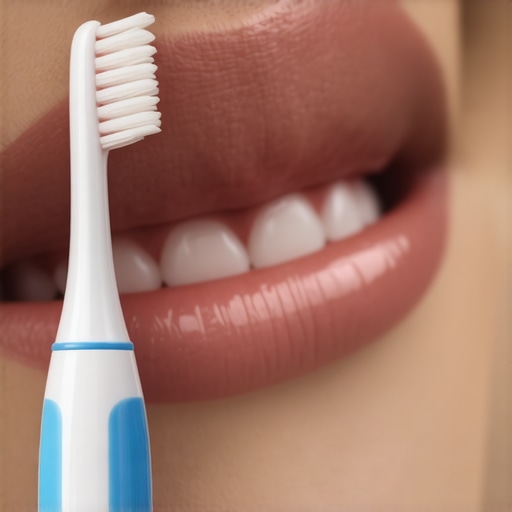
Trust me, having the right tools makes all the difference in ensuring your dental work stays pristine. I personally swear by my ultrasonic toothbrush, which uses high-frequency vibrations to remove plaque more effectively than manual brushes. This technology not only cleans deeper but also helps prevent the buildup that can lead to shifting or damage to veneers and implants.
Advanced Software for Monitoring Progress
For those serious about long-term results, digital tracking tools like 3D dental imaging software can be invaluable. These systems allow your dentist to measure subtle changes over time, ensuring that any movement or wear is detected early. I recommend discussing options like digital intraoral scanners during your routine checkups—these are transforming how we monitor oral health and structural stability.
How do I maintain my dental restorations over time?
Consistent care is crucial. Besides routine brushing and flossing, consider using specialized tools like water flossers, which effectively clean around implants and veneers with gentle water jets, reducing plaque accumulation. Regular professional cleanings are vital; they remove debris that at-home tools might miss. Following a personalized oral hygiene plan crafted with your dentist, as suggested in family dentistry tips, can prolong the life of your dental investments.
Embrace Cutting-Edge Techniques for Future Growth
Looking ahead, emerging laser-based cleaning devices are set to revolutionize maintenance routines by providing ultra-precise plaque removal without damaging surrounding tissues. Additionally, AI-driven monitoring apps are beginning to analyze oral health data in real time, offering tailored advice and early warning signs. To stay ahead of the curve, incorporate these advanced tools into your routine—your smile will thank you.
Want to elevate your dental care? Try using an ultrasonic toothbrush paired with an intraoral scanner during your next dental visit. Not only will you help maintain your restorations, but you’ll also embrace the future of personalized dental health.
What I Wish I Knew Before Shifting Teeth Became a Reality
One of my biggest eye-openers was realizing that even after successful wisdom tooth removal, I wasn’t necessarily out of the woods when it came to maintaining my smile. I learned the hard way that teeth can shift subtly over time, and early prevention is crucial. The importance of follow-up care and consistent use of retainers made me appreciate how small daily habits protect big, beautiful smiles in the long run.
The Hidden Power of Proactive Dental Habits
Adopting informed routines like regular flossing, using custom retainers, and staying attentive to eruption patterns can save you from complex orthodontic issues later. I discovered that keeping tabs on my oral health through simple journaling and routine scans provided early clues that helped my dental team intervene before problems escalated. It’s a reminder that proactive care is an investment in your confidence and well-being.
Tools and Resources That Transformed My Approach
Investing in quality tools like ultrasonic toothbrushes and digital intraoral scanners has been a game-changer. These devices have empowered me to maintain restorations and catch minor shifts early. Additionally, trustworthy sources like professional family dentistry tips and detailed guides on cosmetic dentistry have kept me informed and prepared for any changes, reinforcing that knowledge truly is power in smile preservation.
Embracing Your Creative Smile Journey
Your path to a confident, aligned smile is uniquely yours. By integrating personal lessons, leveraging reliable resources, and staying committed to regular checkups, you can navigate the complexities of dental health with confidence. Remember, each small step contributes to a lifetime of radiant smiles. Are you ready to take proactive steps today? Let me know your experiences or questions below—we’re in this journey together.