Imagine this: you wake up after a recent tooth extraction, expecting relief and a sense of healing. Instead, your mouth is flooded with an unshakable metallic taste that just won’t go away. It’s like having a rusty spoon stuck in your mouth, and suddenly, all your favorite foods taste off. I remember the first time I experienced this frustrating sensation — I felt confused, a little worried, and honestly annoyed. I wondered if it was normal or a sign of something more serious.
Why the Metal Taste Persistent After Tooth Extraction?
Let’s Break It Down
The metallic taste is surprisingly common after dental procedures like tooth extraction, and for good reasons. During healing, your body produces blood and pus, and some of the byproducts can cause that unpleasant taste. Additionally, the materials used in dental work—think anesthetics, antiseptics, or even the medications prescribed afterward—can linger and alter your sense of taste temporarily. But here’s the kicker: if this sensation persists beyond a week or two, it’s worth paying attention to.
Early on, I made the mistake of ignoring my symptoms, thinking it would go away on its own. That’s a mistake many make, and it can prolong discomfort or hide underlying issues. Persistent metallic taste might also be linked to healing complications or even reactions to medications. According to a recent study, up to 20% of people experience taste disturbances after dental treatments—so you’re not alone. Recognizing why this happens can help you take targeted action and get back to enjoying your meals without that unhelpful metallic aftertaste.
Keep reading, because I’ll guide you through practical steps to reduce or eliminate that annoying metallic flavor, based on my personal experience—and backed by expert advice. Whether you’re just starting to notice it or it’s been lingering for a while, I’ve got some tips that can genuinely help.
Maintain Excellent Oral Hygiene Immediately After Extraction
Gently Rinse Your Mouth with Saltwater
After a tooth extraction, rinsing with a warm saltwater solution helps clear away blood and bacteria, reducing lingering tastes. Mix half a teaspoon of salt in eight ounces of warm water and rinse gently, avoiding vigorous swishing to prevent dislodging the blood clot.
Practice Soft-Brushed Cleaning
Use a soft-bristle toothbrush to brush your remaining teeth twice daily, being cautious around the extraction site. This minimizes plaque buildup and potential infections that may worsen the metallic sensation.
Manage Medications and Dietary Habits
Review Prescribed Medications
Some antibiotics or painkillers contain ingredients that alter taste. If the metallic flavor persists, consult your dentist or pharmacist to discuss alternatives or adjustments. Never stop medications without professional advice.
Avoid Strong-Flavored Foods
Spicy, acidic, or overly salty foods can irritate healing tissues and intensify taste disturbances. Stick to bland, cool foods like yogurt, smoothies, or mashed potatoes during the initial healing phase.
Stay Hydrated and Oral Care Routine Adjustments
Drink Plenty of Water
Keeping your mouth moist dilutes residual blood or medication residues, helping neutralize the metallic taste. Sip water regularly throughout the day.
Use Sugar-Free Chewing Gum or Mints
Chewing sugarless gum or sucking on mints can stimulate saliva, which acts as a natural cleanser and may mask unpleasant tastes temporarily. However, avoid excessive chewing that might irritate the surgical site.
Address Potential Infections or Complications
Look for Signs of Infection
If the metallic taste persists beyond two weeks, accompanied by swelling, persistent pain, or bad odor, it could indicate an infection. Delay in treatment might prolong discomfort and taste issues. Seek professional assessment; you might consider visiting a family dentist for a comprehensive checkup [see tips here](https://straightsmileortho.com/family-dentistry-tips-for-a-lifetime-of-healthy-smiles).
Consider Possible Allergic Reactions
Some dental materials or medications could cause allergic reactions leading to taste disturbances. If you suspect this, consult your dentist about alternative materials or treatments. Exploring options like cosmetic dentistry might also provide solutions for your overall oral health.
Consult Dental Professionals for Targeted Solutions
If home remedies don’t alleviate the metallic taste, scheduling an appointment with your dentist is crucial. They can identify underlying issues such as dry socket, residual medication, or other complications that may contribute. For advanced treatments like dental implants or veneers, understanding the process ensures you’re prepared for post-procedure sensations—check out [these insights](https://straightsmileortho.com/the-future-of-dental-implants-cutting-edge-techniques-in-cosmetic-dentistry) to know what to expect.
<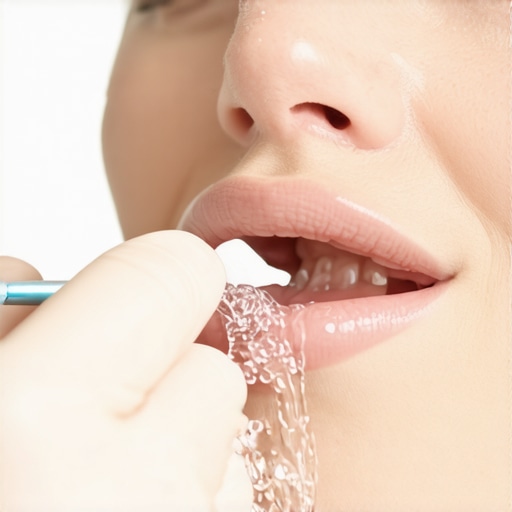 }Many patients assume that cosmetic dentistry, like veneers and dental implants, is straightforward—simply a matter of choosing a perfect shade or a quick procedure. However, in my experience working with these treatments, several misconceptions persist that can lead to dissatisfaction or costly mistakes. One common myth is that all veneers are created equal; people often believe they can opt for the cheapest option without considering material quality or the skill required for precise bonding. In reality, the longevity and natural appearance of veneers depend heavily on the veneer material—porcelain offers durability and a lifelike translucency that composite simply can’t match, which is why professionals recommend carefully selecting your provider. Moreover, many misunderstand the importance of underlying bite alignment, as neglecting occlusion can cause veneers to crack or come loose prematurely, undermining your investment.
When it comes to dental implants, a widespread mistake is thinking they are a simple ‘screw-in’ fix. While technology has advanced—especially with innovations like guided implant surgery—the success of implants hinges on the quality of the bone, proper planning, and understanding the biological integration process. For example, some believe that implant rejection is solely a rare, unpredictable event, but a study published in the Journal of Prosthetic Dentistry shows that factors like smoking, uncontrolled diabetes, or poor oral hygiene significantly increase failure risk. Ignoring these nuances can lead to complications like peri-implantitis, which, if not caught early, may cause implant loss.
Family dentistry often gets misrepresented as just routine cleanings, but this is far from the truth. A critical aspect many overlook is the dentist’s role in detecting and managing early signs of systemic health issues—such as diabetes or cardiovascular problems—through oral examinations. Regular checkups are opportunities not only to maintain oral health but to identify red flags that could impact overall wellness. However, some patients fall into the trap of delaying visits and believing that dental issues are isolated problems; neglecting preventative care can turn minor concerns into complex, expensive treatments down the line.
There’s also a common misconception that the most expensive procedure provides the best results. While investing in high-quality materials and experienced practitioners is wise, overpriced options are not always superior. The key is understanding the procedural intricacies and choosing providers with proven expertise—especially for advanced treatments like full-mouth reconstructions or cosmetic veneers. For instance, a skilled practitioner considers facial aesthetics, gum health, and occlusion holistically, which can enhance both function and appearance.
Navigating these nuances requires not just asking the right questions but also trusting experienced professionals who prioritize comprehensive treatment planning. If you’re considering any cosmetic or restorative procedure, take the time to explore all aspects—material quality, biological factors, technician skill, and long-term maintenance. This approach ensures your investment yields results that are both beautiful and lasting. Want to learn more about how to make informed choices for your dental health? Check out [these expert tips on cosmetic dentistry](https://straightsmileortho.com/transform-your-smile-with-veneers-expert-tips-for-perfect-results) or [get in touch](https://straightsmileortho.com/contact-us) for personalized guidance. Have you ever fallen into this trap? Let me know in the comments.In the journey toward a confident smile, using the right tools and maintaining your dental work meticulously is crucial. I personally rely on high-quality ultrasonic toothbrushes with soft bristles, such as the Philips Sonicare ProtectiveClean, because they effectively remove plaque without damaging delicate veneers or implant coatings. These devices are equipped with timers and pressure sensors that remind me to brush gently—preventing unnecessary wear and ensuring my restorations remain pristine over the years. Additionally, investing in a water flosser like the Waterpik has transformed my daily hygiene routine. Its pulsating streams can clean hard-to-reach areas around veneers and implants, reducing plaque buildup that could lead to long-term complications. Regular professional cleanings, scheduled at least twice a year, are complemented by these at-home tools to sustain results long-term.
Looking ahead, innovations in dental technology such as AI-guided cleaning devices are on the horizon, promising even more customized and efficient maintenance routines. These advancements could revolutionize how we care for our restorations, making upkeep simpler and more effective, which aligns with the trend toward personalized oral health solutions.
## How do I maintain my dental implants and veneers over time?
Ensuring longevity involves more than just routine brushing. Using specialized tools like interdental brushes or floss threaders, especially designed for implant crowns and veneers, helps remove plaque from complex geometries that traditional floss may miss. Incorporating anticavity and desensitizing toothpaste can also protect against sensitivity and staining, maintaining your smile’s vibrancy.
One method I swear by is periodic professional polishing with low-abrasive compounds, which restores the shine of porcelain veneers without compromising material integrity. My dentist also recommends periodic imaging, such as digital X-rays, to monitor bone levels around implants—detecting early signs of peri-implantitis. For those interested in the future of long-term care, explore [the latest innovations in dental implants](https://straightsmileortho.com/the-future-of-dental-implants-cutting-edge-techniques-in-cosmetic-dentistry), which focus heavily on maintenance ease and durability.
Remember, consistent care is the foundation of long-lasting results. Don’t forget to schedule your routine checkups; your dental team can provide personalized advice tailored to your unique needs. If you’re ready to deepen your understanding of optimal maintenance, I encourage you to explore [these expert tips](https://straightsmileortho.com/cosmetic-dentistry-secrets-to-boost-your-confidence) for maximizing your smile’s lifespan. Keeping your investment looking its best requires commitment—so try incorporating a water flosser into your daily routine today and experience the difference firsthand.
When I first embarked on my journey with cosmetic dentistry and dental implants, I underestimated how complex the process truly is. One lesson that truly resonated with me is that choosing materials isn’t just about aesthetics—durability and biocompatibility matter immensely. This realization came after witnessing a veneer fail prematurely because of neglecting quality over price. Another insight was that proper occlusion—how your teeth align—can make or break long-term success; ignoring it may lead to cracks or discomfort years down the line. A third lightbulb moment was understanding the importance of ongoing maintenance—regular checkups and tailored hygiene routines, like using specific interdental brushes, are crucial in preserving your investment. Lastly, I learned that patient education plays a vital role; knowing what to expect and how to care for your dental work alleviates anxiety and prevents complications. These lessons highlight that successful cosmetic and restorative treatments involve a blend of material science, precise planning, and diligent aftercare—elements I wish I had appreciated more at the start.