I’ll never forget the moment I looked in the mirror after getting my first set of veneers. Instead of feeling confident, I was immediately self-conscious. My smile looked, well, exaggerated—too perfect, too artificial, and honestly, a little bulky. It was a lightbulb moment for me: I realized that not all veneers are created equal, and many can end up looking fake if you’re not careful.
If you’ve undergone veneers or are considering them, chances are you’ve worried about the dreaded bulky or fake appearance. You’re not alone. Many folks step into the dentist’s chair dreaming of a radiant smile but leave with results that feel more like Hollywood props than real teeth. The good news? There are practical ways to ensure your veneers look natural and blend seamlessly with your smile.
Why Porcelain Veneers Can Sometimes Look Unnaturally Bulky
One of the most common complaints I hear is about veneers that feel or look too thick, especially when you try to close your mouth. The reason often boils down to a few key mistakes made during planning and placement. For instance, some dentists might prioritize quick results over precise sizing, leading to veneers that are slightly too wide or thick for your natural teeth. Additionally, poorly contoured veneers can create an obvious artificial line, making them stand out in a crowd.
Early in my own veneer journey, I made the mistake of assuming that bigger was better—thinking that thicker, more opaque veneers would look stronger and more durable. Turns out, that was far from the truth. Thicker veneers tend to cast shadows and may require more grinding, which can compromise the tooth’s natural structure. Research shows that veneers with an appropriate, thinner profile often look more realistic and feel more comfortable for the wearer (source).
So, why does all this happen? The main culprits are inadequate planning, not enough communication with your dentist about your expectations, and sometimes a lack of understanding of what makes a smile look natural. But don’t worry—I’ll walk you through the practical steps to avoid these pitfalls and achieve a beautifully natural smile.
In the sections ahead, we’ll explore proven techniques and insider secrets to stop your veneers from looking bulky and fake. If you’ve ever faced this problem or dread that your new smile looks artificial, stay tuned—help is on the way! Ready to transform that smile into something beautifully natural? Let’s get started.
Precisely Size Your Veneers for a Seamless Fit
When I first placed veneers, I realized that a small adjustment made a huge difference. I took the time to measure my tooth contours meticulously, using wax-ups and digital imaging. Think of this step like tailoring a suit: the right fit makes all the difference. During my appointment, I asked my dentist to create a wax model of how the veneers should sit, ensuring they wouldn’t be unnecessarily bulky. This process minimizes the risk of bulky, artificial results and guarantees each veneer blends naturally with your existing teeth.
Choose the Right Material and Thickness
Opt for Porcelain with a Thin Profile
Not all porcelain is equal. I recommended choosing ultra-thin, translucent porcelain veneers, which mimic natural enamel better than thicker, opaque options. This choice reduces bulk and shadows, giving your smile a more authentic appearance. During my consultation, I emphasized this preference—my dentist used LiSiO2 porcelain, known for its strength and thinness.
Avoid Over-opaque Materials
Opaque veneers can look fake—it’s like trying to cover up a tattoo with makeup; it just doesn’t look natural. I insisted on a material that reflects light similarly to natural teeth, so my veneers wouldn’t appear flat or plastic-like.
Refine the Contouring and Margins
Proper contouring is vital. I worked with my dentist to shape the edges so they follow the natural gum line precisely. This is akin to sculpting—paying attention to every curve and edge prevents that telltale line or ‘halo’ effect. During the process, my dentist slightly beveled the margins, which helped the veneers blend seamlessly and avoided a bulky look when I closed my mouth.
Test and Adjust Before cementing
This step mirrors trying on clothes before buying. I asked my dentist to temporarily place the veneers for a trial run. I checked the size, shape, and how they felt when I closed my lips. Minor adjustments at this stage, like reducing the thickness or reshaping the edges, make a significant difference in the final appearance. Remember, communication is key—don’t hesitate to voice concerns or ask for tweaks.
Maintain Consistent Thickness for a Subtle Look
During my experience, I learned that maintaining a uniform thickness across the veneer surface prevents irregular shadows and a bulky feel. My dentist used a calibrated device to measure and replicate the optimal thickness, typically around 0.3-0.5 mm, which is barely noticeable but incredibly durable.
Finish with Proper Polishing and Final Placement
The final polish ensures your veneers reflect light like natural enamel. I watched my dentist meticulously polish each surface, refining the contours and, at times, removing any excess material. Once satisfied, the veneers were bonded with a strong adhesive, and I was careful to avoid biting into hard foods for the first few days to let the cement cure fully.
Getting veneers to look natural isn’t about taking shortcuts. It requires precision, patience, and clear communication with your dentist. Think of it as sculpting a masterpiece—every detail counts in creating a smile that’s both beautiful and genuine.
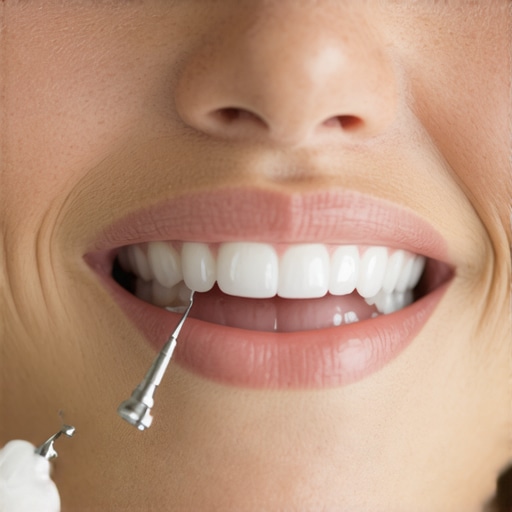 While many patients focus on the surface aspects of cosmetic dentistry, a deeper understanding reveals common misconceptions that can lead to costly mistakes. One prevalent myth is that all veneers or implants are created equal; in reality, nuances in materials, technique, and planning dramatically influence outcomes. For example, some assume that thicker veneers are inherently more durable, but evidence suggests that ultra-thin, well-contoured veneers often provide more natural results and better longevity (source).Maintaining your beautiful smile requires more than just the initial procedure; it involves using the right tools, adopting effective methods, and planning for long-term results. Personally, I rely on a combination of advanced equipment and digital solutions that ensure my smile stays impeccable over the years. One device I swear by is the **Oral-B iO Series electric toothbrush**, which features AI-powered coaching and oscillating-rotating technology. Its precision cleaning helps prevent plaque buildup around veneers, implants, or restored teeth, reducing the risk of staining or decay that can compromise your cosmetic investments.
Beyond brushing, I incorporate **ultrasonic scalers** during professional cleanings. These high-frequency devices efficiently remove plaque and tartar without damaging delicate restorations, unlike traditional manual tools that can sometimes be too abrasive. As I’ve learned, consistent professional maintenance with such tools extends the lifespan of veneers and implants, keeping them looking natural and functional for years.
What’s the best way to keep your dental work pristine over time?
The key lies in combining these advanced tools with smart at-home habits. I recommend using a **water flosser**, like the Waterpik Sonic-Fusion, which integrates flossing with brushing. Its pulsating water stream reaches areas toothbrushes can’t access, especially around the contours of veneers and abutments, preventing decay and staining. This holistic approach minimizes the need for costly repairs or replacements, saving you money in the long run.
Technology in cosmetic dentistry is heading toward **AI-driven monitoring systems** that can analyze your oral health remotely. Imagine software that detects early signs of wear or micro-fractures in veneers before they become visible issues. In fact, companies like Denti-AI are pioneering this trend, promising personalized maintenance plans based on your unique digital records.
How do I maintain my dental enhancements over time? I schedule regular checkups—at least twice a year—and ask my dentist for tailored advice, including the application of fluoride varnishes or sealants that strengthen enamel around restorations. It’s also wise to inquire about **digital imaging updates**, which provide comprehensive snapshots of your oral health, helping detect subtle problems early. Embracing these innovations will become standard practice as the field advances, making dental maintenance less of a chore and more of an integrated part of your health routine.
If you haven’t yet, I highly recommend trying out one of these sophisticated tools for your next cleaning appointment. It’s an advanced, yet straightforward way to keep your smile pristine and prevent small issues from escalating into costly repairs later. Remember, the secret to long-lasting results is consistency—integrate these tools into your routine and stay proactive about your oral health. For personalized guidance, don’t hesitate to reach out via our contact page and take charge of your smile’s future today.
What I Wish I Knew Before Perfecting My Smile
One of the most eye-opening lessons I learned from my journey with veneers is that less is often more. I once believed that thicker, more opaque veneers would last longer and look better, but I soon discovered that they can appear bulky and unnatural. A key insight was that precise contouring and ultrathin porcelain make your smile look authentic, reinforcing the importance of working closely with a skilled dentist who prioritizes natural aesthetics. Additionally, I realized that understanding the subtleties of material translucency and light reflection is vital—these details transform a good smile into a truly seamless one. Lastly, patience during the trial fitting and adjustment phases is essential; voicing your concerns and asking for small tweaks can make a significant difference in the final result.