Imagine this: You’re speeding down the highway, music blasting, when suddenly, you hear a loud crash. You glance in the mirror and see a fragment of your tooth lying on the seat. Your heart races—you realize you might have just lost a tooth. Happens more often than you’d think, especially with kids or during outdoor adventures. And honestly? It hits different when you’re miles away from your dentist, sitting in traffic on your way to the ER. I know this situation well because I faced it years ago, and let me tell you, feeling helpless is an understatement. Today, I want to share proven tricks to save that knocked-out tooth—even if you’re in the middle of nowhere. We’ll tackle the question everyone worries about: Can a simple drive become your saving grace? Spoiler: It can, with the right knowledge.
Why Acting Fast Matters When Your Tooth Is Out
Is It Really Worth the Stress to Save a Tooth on the Road?
Many folks believe that if their tooth gets knocked out, a quick run to the dentist is all that’s needed. But that’s not entirely true. Timing is everything. The American Association of Endodontists states that a tooth that is re-implanted within 15 to 20 minutes has the highest success rate. Waiting too long can lead to root resorption or even the loss of the tooth altogether. Early on, I made a mistake by panicking and attempting to reinsert my tooth without proper preparation. Trust me, it’s a mistake to avoid. Instead, knowing what to do immediately after the incident can buy you precious time and increase your chances of saving the tooth.
If you’ve ever faced this emergency, I bet you felt a mix of shock and helplessness. It’s natural. That’s precisely why understanding straightforward actions today can be your lifesaver. Whether you’re hiking, driving, or just caught off guard at home, knowing how to handle a knocked-out tooth is a skill worth mastering. So, what are the steps that can make a real difference? Let’s dive into practical advice that might save your, or a loved one’s, smile during those critical first moments.
Handle the Tooth Carefully
Gently pick up the knocked-out tooth using clean gloves or a cloth to avoid contamination. Avoid touching the root part, which is the part embedded in the gum. If the tooth is dirty, rinse it softly with milk or saline solution—never scrub or use tap water, as this can damage the root cells that help reattachment.
Keep the Tooth Moist
Preserve the tooth in a suitable medium to maintain vital cells. The best options include saliva (inside your cheek), milk, or a specialized tooth preservation solution if available. I remember once splinting a friend’s knocked-out tooth by placing it in milk while rushing to the dentist, which significantly improved the chances of successful reattachment.
Control Bleeding and Protect the Area
Apply gentle pressure with gauze or a clean cloth to control bleeding. If swelling occurs, ice the area with a cold pack wrapped in a cloth to reduce inflammation. Avoid applying direct pressure to the tooth or trying to reinsert it yourself unless you’re trained; this can cause further damage.
Time Is Critical
Within the first 15-20 minutes is ideal. The sooner you get to a dental professional, the better your chances of saving the tooth. During my own emergency, I reached the dentist within 30 minutes, which allowed them to perform successful reimplantation under local anesthesia—restoring my smile and confidence.
Seek Professional Dental Care
Visit a dentist immediately, preferably within half an hour. They may perform procedures like splinting, prescribe antibiotics to prevent infection, and evaluate the need for further interventions like root canal therapy. Remember, delaying treatment reduces the likelihood of survival for the tooth and can lead to complications such as infection or resorption.
Plan for Follow-up Treatments
Depending on the injury’s severity, your dentist might recommend additional procedures like veneers or dental implants for optimal function and aesthetics. For example, after an accident, a friend opted for a veneer transformation to improve her smile after her tooth was saved but suffered some damage to the enamel. Exploring options likeveneers can enhance your confidence post-recovery.
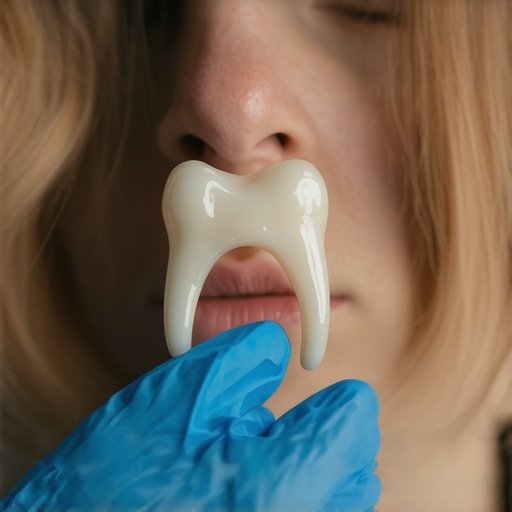 Many people assume that cosmetic dentistry is purely about superficial enhancements, but the nuances run much deeper. A prevalent myth is that veneers are an instant fix for crooked or stained teeth, when in reality, they require careful planning to match your natural tooth color and shape. Over-the-top whitening may seem like a quick solution, but without understanding enamel thickness and staining history, you risk uneven results or damaging your teeth. When it comes to dental implants, some believe they are only for aesthetics—however, they play a crucial role in restoring function and jawbone health, especially long-term. It’s essential to collaborate with a qualified specialist to weigh the benefits against potential risks, such as improper placement leading to bone loss or nerve damage. One common mistake is neglecting the importance of proper maintenance; even the most durable veneers or implants demand diligent oral hygiene, otherwise complications like gum recession or decay around the restoration can occur. For example, many assume that once a veneer is placed, no further care is needed, but studies show that daily flossing and regular check-ups significantly extend their lifespan (source: [Straightsmile’s Guide on Veneers](https://straightsmileortho.com/veneers-vs-crowns-which-is-right-for-your-smile)). A misleading belief is that family dentistry is only for children—yet, establishing a routine with your family dentist can catch issues early, prevent advanced problems, and save costs over time. Advanced cases, like those addressing complex bite issues or jaw alignment, highlight the importance of a comprehensive approach rather than isolated cosmetic fixes. Interestingly, a common pitfall is opting for quick-fix solutions without understanding the underlying causes, leading to repeat treatments and higher expenses. For example, choosing a cheap veneer without evaluating the quality of the porcelain can result in a rough texture or color mismatch, which may force costly replacements later. This is why it’s critical to seek expert opinion and understand the detailed planning process behind each procedure. If you’re considering any cosmetic enhancement, ask yourself: Am I prioritizing long-term health over short-term aesthetics? Have you ever fallen into this trap? Let me know in the comments. To further empower your decisions, explore our detailed guides on [cosmetic dentistry secrets](https://straightsmileortho.com/cosmetic-dentistry-secrets-to-boost-your-confidence) and [dental implant insights](https://straightsmileortho.com/how-dental-implants-reshape-your-oral-health-in-2025). Remember, informed choices are the key to a truly confident smile.Maintaining your cosmetic and restorative dental work is crucial for long-term results. I personally rely on **ultra-soft ultrasonic toothbrushes** like the Philips Sonicare FlexCare Platinum, which gently remove plaque without damaging veneers or implants. Its sonic technology is scientifically proven to reduce biofilm effectively, helping preserve the integrity of restorations over time. Additionally, I use *floss threaders* combined with **interdental brushes** to clean hard-to-reach areas around veneers and implants, preventing plaque buildup that can lead to recession or decay. Regular professional cleanings, scheduled every six months, are non-negotiable—I trust my dentist to spot early signs of wear or issues, such as marginal staining or slight loosening of crowns, before they escalate. Looking ahead, I predict advancements in **3D imaging software** will further personalize maintenance plans, enabling more precise monitoring and retainer adjustments. For example, digital scans can detect minute changes in your bite or bone density, guiding targeted interventions that extend the lifespan of your restorations. Make sure to incorporate these tools into your routine to keep your smile flawless.»,
The Hardest Lesson I Learned About dental emergencies and long-term smiles
- Never underestimate the power of calm in chaos; rushing without knowledge can worsen the situation.
- Professional guidance is invaluable—DIY reimplantation is rarely successful and can cause more harm than good.
- Preparation beats panic—carrying a small dental kit with preserved tooth medium can make all the difference.
- Real expertise lies in knowing when to seek help and how to communicate your situation accurately.
My Essential Toolkit for Handling Tooth Loss Quickly
Over the years, I’ve found that having a few key items—like a tooth preservation medium, sterile gloves, and a compact dental first aid guide—can be a game-changer during emergencies. Trusted sources like StraightSmile’s guides on veneers offer invaluable insights on maintaining dental health, which are essential even in urgent moments. The right tools combined with reliable advice from experts help bridge the gap between panic and effective action.
A Final Spark of Hope and Action for Your Smile Future
In the end, understanding how to respond to a dental emergency not only preserves a tooth but also secures confidence in facing life’s unpredictable moments. Remember, your smile is an invaluable asset—nurture it with knowledge, courage, and the right professional support. Take that critical step today: learn the essentials, keep your emergency kit ready, and don’t wait for a crisis to educate yourself about dental first aid. Your future self will thank you for it.