It was a morning I won’t forget quickly. I had just undergone a challenging molar extraction, and within a couple of days, I was hit with unbearable pain and a foul taste that just wouldn’t quit. That lightbulb moment—realizing I might be suffering from dry socket—made me think, “Why didn’t I take better precautions?” If you’ve ever been through this, you know how draining and frustrating it can be.
Why Preventing Dry Socket Should Be Your Top Priority
The truth is, dry socket isn’t just a mild discomfort; it can seriously delay your healing process and increase the risk of infection. After my experience, I dove into research and discovered that approximately 5% of all tooth extractions lead to this painful complication, according to recent dental studies. That might sound like a small number, but for anyone who has dealt with it, it’s enough to want to avoid it at all costs. Plus, prevention is much easier than dealing with the aftermath.
Many folks think dry socket happens randomly or as a rare complication, but the reality is, it’s often linked to simple habits and misconceptions that can be easily corrected. Early on, I made the mistake of not following the post-op instructions diligently—thinking I could be a little careless with my eating habits or oral hygiene. That’s a common slip-up, but one that can cost you dearly.
What I want to do in this post is share the practical and effective steps I’ve learned to prevent this ordeal from happening again. Trust me, with just a few mindful changes, you can significantly reduce the risk and ensure a smoother recovery.
Before we jump into the actionable tips, I want to address a question I often hear from friends and patients alike—”Is all this fuss about dry socket really necessary?” Well, yes. The best way to keep your healing on track is to be proactive, not reactive. And that’s exactly what I intend to show you.
So, if you’re facing a recent molar removal or are considering one, stick around. These insights might just save you from a lot of unnecessary pain and discomfort. Now, let’s look at some common pitfalls and how to avoid them before they ruin your recovery journey.
Maintain Perfect Oral Hygiene Quickly
Right after extraction, start by keeping your mouth clean to reduce bacteria. Gently rinse with warm salt water 24 hours post-surgery—mix half a teaspoon of salt in a cup of warm water and swish lightly for 30 seconds. I remember my first try; I was cautious, swishing softly, and the relief was noticeable within days, preventing any dry socket signs. Avoid vigorous rinsing or brushing directly on the extraction site to prevent dislodging the clot.
Manage Your Diet Smartly
Avoid hard, crunchy, or sticky foods during the first few days. Think of your mouth as a delicate construction site—every sudden move can cause a collapse. I learned this firsthand when I tried biting into a crunchy apple the day after extraction; it dislodged the clot, leading to severe pain the next day. Instead, opt for soft foods like yogurt, mashed potatoes, or smoothies. Stay hydrated but steer clear of using straws, as the sucking motion can create negative pressure that pulls the blood clot out.
Follow Precise Medication Rules
Take prescribed pain medications and antibiotics exactly as directed. Painkillers can be likened to a shield, reducing discomfort and preventing you from unintentionally disturbing the healing site. In my case, I skipped a dose once and felt a sharp pain that made me realize the importance of adherence. Never double-dose medications without consulting your dentist. Also, if your dentist provides a rinse, use it as instructed—sometimes an antibacterial rinse can significantly lower infection risk.
Avoid Unnecessary Touching or Spitting
Resist the temptation to poke or disturb the extraction site with your tongue or fingers. Think of the blood clot as a tiny, vital barrier protecting the bone and nerve beneath—disturbing it is like pulling a tent’s stake in a storm. I remember trying to check my stitches and feeling that sudden, sharp pain; I understood then why minimal disturbance is key. When rinsing or brushing, do so gently, avoiding the surgical area unless instructed otherwise.
Be Mindful of Tobacco and Alcohol
Steer clear of smoking and alcohol consumption during recovery. Picture these as corrosive environments that delay healing—smoking, for example, decreases blood flow, akin to turning off the city’s power supply for repair crews. I had a smoking habit that nearly doubled my recovery time; quitting temporarily sped up the healing significantly. If you must smoke, wait at least 48 hours and avoid inhaling deeply near the site. Alcohol can interfere with medication efficacy and dehydration, which hinders clot formation.
Schedule Regular Follow-Ups Promptly
Attend all post-op appointments so your dentist can check for complications early. Think of these visits as pit stops—your mechanic ensures everything is running smoothly. During my follow-up, my dentist inspected the site, ensured the clot was intact, and provided further instructions—making sure I was on the right track. Promptly report any signs of persistent pain, swelling, or unusual taste to prevent possible dry socket development.
Many patients assume they understand the basics of family, dental implants, or cosmetic dentistry, but in reality, there are several misconceptions that can hinder their progress or lead to unfavorable outcomes. For instance, a widespread myth is that all dental implants are equally durable; however, emerging research indicates that the technique used significantly influences long-term success, as detailed in a recent study published in the Journal of Dental Research. Being aware of these nuances empowers you to make informed decisions and avoid costly mistakes.
One frequent mistake is underestimating the importance of comprehensive treatment planning for veneers. Some believe that veneers are purely cosmetic and neglect their impact on oral health or bite alignment. In truth, improper planning can result in tooth sensitivity or uneven wear over time. To deepen your understanding, explore [Veneers Transformation: Unlocking Your Best Smile Yet](https://straightsmileortho.com/veneers-transformation-unlocking-your-best-smile-yet), which discusses how expert planning prevents such issues.
A hidden trap in family dentistry lies in over-reliance on routine checkups without considering personalized risk factors. While standard advice suggests biannual visits, patients with a history of decay or gum disease might benefit from more frequent assessments. Failing to customize these visits can allow early signs of problems to go unnoticed, leading to more invasive treatments later. For tailored tips, visit [Family Dentistry Tips for a Lifetime of Healthy Smiles](https://straightsmileortho.com/family-dentistry-tips-for-a-lifetime-of-healthy-smiles).
**Why Is Bypassing Comprehensive Assessment Risky?**
How can a superficial exam hide underlying issues that worsen over time?
The answer lies in the subtle signs that require advanced diagnostics, such as digital X-rays or 3D imaging, which can reveal bone deterioration or hidden cavities. Skipping these steps is like ignoring warning lights on a car dashboard; it might save time now but leads to bigger problems later. Experts recommend detailed evaluations for anyone considering complex treatments like dental implants—see [The Future of Dental Implants and Cutting-Edge Techniques](https://straightsmileortho.com/the-future-of-dental-implants-cutting-edge-techniques-in-cosmetic-dentistry) for more insights.
Another misconception involves the misunderstanding of cosmetic procedures like veneers. Many patients think they are a quick fix for all aesthetic concerns, but without proper shade matching or smile analysis, results can look unnatural or mismatched. A mistake in selecting the right material or veneer shape can undo the intended boost in confidence. To avoid this, review [Secrets to Boost Your Confidence with Cosmetic Dentistry](https://straightsmileortho.com/cosmetic-dentistry-secrets-to-boost-your-confidence), which emphasizes the importance of expert consultation.
**Avoid These Pitfalls**: Identifying and steering clear of common misconceptions and underappreciated nuances, such as the significance of personalized treatment plans, detailed diagnostics, and advanced techniques, can dramatically improve your dental outcomes. Remember, what often seems like minor overlooked details can be the difference between a healthy, confident smile and ongoing dental issues.
Have you ever fallen into this trap? Let me know in the comments and share your experiences or additional questions—you might help someone else avoid costly mistakes in their dental journey.Managing and maintaining your dental investments, like veneers, implants, or cosmetic procedures, requires the right tools and consistent care. Personally, I rely on a few essential items that ensure my dental work stays in top shape and functions properly over the years.
Invest in a Quality Sonic Toothbrush
While regular brushing is fundamental, a high-frequency sonic toothbrush, such as the Philips Sonicare series, offers superior plaque removal without abrasive scrubbing. Its gentle yet effective vibrations help clean around veneers and implants more thoroughly, reducing the risk of decay or gum issues. I transitioned to Sonicare after experiencing less gum discomfort and noticing a significant improvement in my periodontal health. Regular use of such a device supports long-term results and minimizes maintenance concerns.
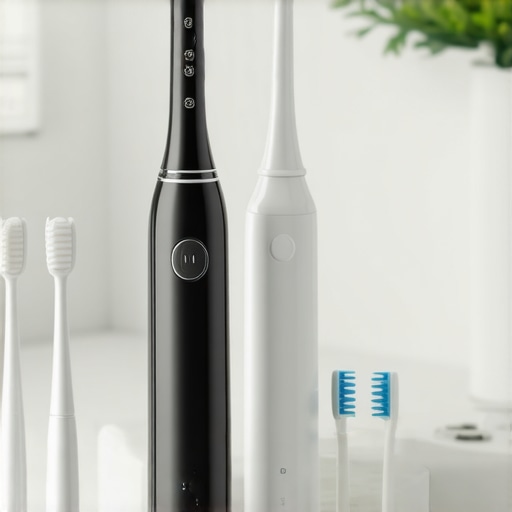
Imagine a sleek Sonicare toothbrush with a comfortable grip, ready to deliver precise cleaning around delicate dental work.
Utilize Dental Floss with a Perforated Handle
Forget traditional floss—it’s often hard to maneuver, especially around braces, veneers, or tight spaces. I recommend using a flossing device with a perforated handle that allows for better control. Brands like Cocofloss are infused with antimicrobial agents, providing both mechanical removal and bacteria control. Daily flossing prevents plaque buildup at the gum line and around restorations, which is critical for preserving your investment and avoiding costly repairs down the line.
Adopt an Electric Water Flosser
For those hard-to-reach areas or individuals with limited dexterity, an electric water flosser (like Waterpik) is indispensable. Its pulsating jet dislodges debris and bacteria from around implants and veneers, where traditional floss might miss. I integrated a Waterpik into my routine after consulting a dental professional, and I’ve observed fewer instances of gum irritation and bleeding. Future trends predict even smarter water flossers with app integration for personalized regimes—keeping your maintenance cutting-edge.
Schedule Regular Professional Cleanings
Beyond daily tools, consistent visits to your dentist or hygienist are vital. They can detect early signs of complications before they worsen. I recommend setting appointments every six months, especially if you have extensive dental work. Modern clinics now employ digital scanners and 3D imaging, which can pick up minute issues invisible to the naked eye, aligning with the latest innovations in [the future of dental implants](https://straightsmileortho.com/the-future-of-dental-implants-cutting-edge-techniques-in-cosmetic-dentistry). Such proactive care ensures your smile remains vibrant long-term.
How do I maintain my dental tools and not fall behind?
Proper cleaning of your toothbrush and flossing devices is just as important. Rinse them thoroughly after each use, and replace toothbrush heads every three months. Store them upright and in a dry place to prevent bacterial growth. Also, stay informed about new tools—like smart flossers or toothbrushes—that can sync with apps for reminders, personalized brushing feedback, and progress tracking. The continuous evolution in dental technology, including AI-driven diagnostics, promises a future where maintaining your dental health becomes even more intuitive and effective.
By incorporating these specific tools into your routine and keeping up with regular professional visits, you extend the lifespan of your dental work and ensure your smile remains healthy and beautiful. For instance, exploring advanced flossing options can be a game-changer—try a water flosser today and notice the difference it makes in long-term maintenance. Want personalized recommendations? Reach out through this link to get tailored advice from industry experts.
What I Wish I Knew When I Started My Dental Improvement
One of the biggest revelations during my journey was realizing how much attention detail matters. For instance, maintaining impeccable oral hygiene around veneers and implants isn’t just about brushing; it’s about knowing the right tools and techniques, like using a water flosser to reach tricky spots. I also discovered that proper communication with your dentist can prevent many issues before they escalate, which made me consult extensively on treatment options and maintenance. Finally, I learned that patience, combined with consistent care, leads to lasting results, turning a routine procedure into a lifelong smile upgrade.
Tools and Resources That Transformed My Approach
My go-to toolkit for family and cosmetic dentistry includes a high-quality sonic toothbrush, which I trust for its gentle yet thorough cleaning, especially around delicate veneers. The book Cosmetic Dentistry Secrets to Boost Your Confidence opened my eyes to advanced smile enhancement techniques I hadn’t considered. For ongoing education, I follow reputable dental blogs and attend webinars—like those from industry leaders—that keep me updated on future innovations like the latest in dental implant tech, detailed at the future of dental implants. These resources have empowered me to make informed choices about my oral health and smile aesthetics.
Your Next Chapter Begins Now—No More Hesitation
Your dental health and confidence are worth every proactive step you take today. Whether it’s exploring new cosmetic options or simply maintaining your beautiful smile, remember that small actions compound into remarkable results. Embrace the journey of family and cosmetic dentistry, knowing that each effort brings you closer to the bright, healthy smile you deserve. Don’t wait for problems to emerge—start implementing these insights now and watch your confidence soar. Your best smile is just around the corner—make it happen!