I remember sitting in the dental chair, my heart pounding like a drum. The bright overhead light felt blinding, and the sound of the drill echoed in my ears, amplifying every anxious thought. That moment, I realized my fear of dental procedures was holding me back from maintaining my oral health. It wasn’t just about avoiding discomfort; it was the dread of losing control, the panic that would make me want to bolt. After years of avoiding appointments, I knew I needed a better approach—something that allowed me to manage my anxiety without resorting to heavy sedation like general anesthesia.
Why Managing Dental Anxiety Matters More Than Ever
Dental problems can sneak up on us, often without obvious pain until they become serious. Yet, for many, the fear of the dentist doesn’t go away; it intensifies, leading to skipped visits and worsening oral health. The good news is, you don’t have to face these fears alone or rely solely on sedation options. Modern techniques and strategies empower you to face dental procedures with confidence and less stress. Managing anxiety effectively not only keeps your mouth healthy but also preserves your overall well-being.
According to a study published in the Journal of Dental Research, nearly 36% of people experience moderate to severe dental anxiety, which can significantly impact their oral health outcomes (American Dental Association, 2021). This means you’re not alone in feeling this way. Recognizing your fears and finding practical ways to cope can make a real difference.
Are you tired of dreading your dental visits? Have you avoided necessary procedures because of anxiety? If so, know that with the right strategies, you can regain control and achieve a healthier smile.
Is Dental Anxiety Actually Worth the Hype?
It’s a common misconception that managing anxiety is just about gritting your teeth and enduring the discomfort. Early in my journey, I made the mistake of ignoring my fears, thinking they’d eventually go away. Instead, they grew worse, leading to more complex and invasive treatments down the line. The truth is, addressing dental anxiety proactively is a wise investment in your health. Techniques such as mindful breathing, gradual exposure, and effective communication with your dentist can transform your experience.
Next, I’ll share proven methods you can start implementing today to tackle dental anxiety head-on—no need for heavy anesthesia or avoiding your appointment altogether. Let’s explore what works best for you so you can face your dental visits with confidence.
Start Small to Build Confidence
When tackling dental anxiety, the first step is to set achievable goals. For example, schedule a brief visit just for a check-up, focusing on getting comfortable in the dentist’s chair without any invasive procedures. I once chose to arrive early and sit in the waiting room to acclimate myself. This micro-step helped me gradually associate the clinic with familiarity rather than fear.
Develop Breathing Techniques for Calmness
Deep, diaphragmatic breathing shifts your nervous system from ‘fight or flight’ to ‘rest and digest.’ During my appointment, I practiced inhaling slowly through my nose for four seconds, holding for four, then exhaling through my mouth for six. This simple exercise significantly reduced my panic, allowing me to stay relaxed during procedures.
Communicate Your Fears Clearly
Inform your dentist about your anxiety openly. A good dentist will adapt their approach, offering pauses or distractions. I once told my hygienist I was nervous, and she gently explained each step as she proceeded. This transparency transformed my experience from dread to understanding.
Utilize Distraction Tools Effectively
Listening to music or guided meditation distracts your mind from the procedure. I brought noise-canceling headphones and played calming tracks during a cleaning. This not only diverted my attention but also created a personal oasis of calm within the dental office.
Practice Regular Visits to Reduce Fear Over Time
C frequent visits help desensitize your fears. Start with short, non-invasive appointments and gradually increase complexity. Over months, I found that my anxiety diminished. Consistency was key—skipping appointments only reinforced fear, whereas regular exposure built confidence.
Explore Sedation Options and Alternatives
If anxiety remains overwhelming, discuss sedation choices with your dentist. Options like nitrous oxide or oral sedatives can be effective. I consulted my dentist about mild sedation, which helped me complete treatments without panic. Remember, sedation should complement other anxiety-management strategies, not replace them.
Build a Supportive Environment
Bringing a trusted friend or family member can provide reassurance. I once had my partner accompany me, offering comfort and reminding me of my progress. Feeling supported diminishes feelings of helplessness and transforms the experience into shared effort.
Use Visualizations and Positive Affirmations
Mentally rehearsing positive outcomes or repeating affirmations like “I am in control” can empower you. Before appointments, I practiced visualization by imagining myself calm and successful. This mental prep created a proactive mindset, reducing anticipatory anxiety.
Reassess and Adjust Strategies Regularly
What works today might change tomorrow. Keep track of what strategies ease your fears, and don’t hesitate to modify your approach. Over time, I discovered that combining breathing with distraction and open communication offered the best results. Flexibility ensures you stay engaged and in charge of your dental health journey.
When it comes to dental care, many people have misconceptions that can lead to suboptimal choices or unexpected surprises. As an expert in the field, I want to shed light on some common myths, pitfalls, and nuanced facts that often go unnoticed by patients. Understanding these details can empower you to make smarter decisions and avoid costly mistakes.
One prevalent misconception is that dental implants are a simple, one-size-fits-all solution for tooth replacement. In reality, the success of implants heavily depends on factors like bone density and implant placement techniques. For instance, recent studies highlight that bio-ceramic implants outperform traditional titanium options in maintaining stain resistance and biocompatibility. Many assume all implants are alike, but choosing the right material and method is crucial for long-term success.
Similarly, family dentistry isn’t just about routine cleanings; it’s about comprehensive strategies to prevent issues before they arise. A common mistake is underestimating the importance of early interventions for children’s developing teeth. Proper guidance on habits like thumb-sucking or early orthodontics can set a foundation for a healthier future. Explore family dentistry tips that go beyond basic check-ups.
When it comes to cosmetic dentistry, there’s a misconception that procedures like veneers or crowns are purely superficial. In reality, the choice between veneers and crowns can significantly impact your oral health and aesthetics. For example, Veneers versus crowns is not just about appearance but also about how much natural tooth structure is preserved. Many patients get lured by the idea of instant beauty without understanding the nuance that choosing the right restoration can make or break your smile’s longevity.
Advanced techniques in veneer placement can even avoid the dreaded ‘piano key’ look, where the veneers appear overly opaque or too thick. This is a subtle yet impactful detail that can be missed if not evaluated carefully. For a detailed comparison on achieving natural-looking veneers, check out Veneer transformations.
What about the myths surrounding dental procedures in general? Many believe that more invasive treatments are always more effective. However, modern dentistry emphasizes minimally invasive techniques that preserve as much natural tissue as possible. For example, laser-guided veneer prepping minimizes enamel removal and enhances bond strength, leading to longer-lasting results. Technologies like this exemplify the shift towards smarter, patient-friendly procedures.
A crucial Maintaining the results of your dental treatments like veneers, implants, or family dentistry procedures requires the right tools and consistent care. I personally rely on a few specialized instruments and software to ensure longevity and optimal function. For instance, using high-quality ultrasonic scalers such as the *Cavitron* allows me to remove plaque and tartar effectively without damaging delicate restorations, which is essential for preserving veneers and implants. Additionally, I recommend investing in a professional-grade water flosser like the *Waterpik WP-660*; its pulsating jet is gentle yet penetrates beyond standard flossing, preventing plaque buildup around crowns and veneers. For daily maintenance, using fluoride-enhanced toothpaste tailored for restorations minimizes sensitivity and prevents decay at the margins.
When it comes to long-term results, regular check-ups are paramount. I utilize digital diagnostic tools like intraoral cameras and 3D imaging software (e.g., *Dentsply Sirona*) to monitor your dental health at a microscopic level. These high-resolution images enable early detection of issues such as micro-fractures or gum recession, which can threaten your restorations. I also incorporate saliva testing kits, which help assess factors like pH and bacterial load, guiding personalized preventive strategies.
Looking ahead, the trend in dental maintenance is heading toward more integrated, AI-driven diagnostics. Machine learning algorithms are becoming better at predicting potential failures before they manifest visibly, empowering us to intervene proactively rather than reactively. As this technology evolves, expect to see even more precise, tailored maintenance plans for each patient.
How do I maintain my dental work over time
To keep your veneers, implants, or crowns functioning flawlessly, establish a routine that includes daily advanced cleaning techniques. Incorporate tools like *ultrasonic scalers* for professional-grade plaque removal at home, and always use the recommended flossing devices to reach difficult areas. Scheduling regular check-ups, about every six months, allows your dentist to preemptively address issues. Remember, a small investment in maintenance tools and discipline can save you from costly repairs or replacements in the future.
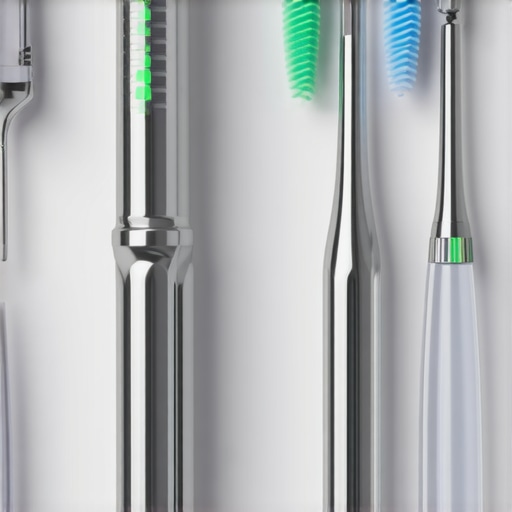

If you’re serious about preserving your smile, I highly recommend trying out an ultrasonic scaler like the *Cavitron* at home. It’s an advanced technique that many patients overlook but can make a significant difference in preventing plaque buildup. Consistency is key, so gradually incorporate it into your nightly routine for maximum benefit. For tailored advice on maintaining your specific treatments, don’t hesitate to contact us through our [contact page](https://straightsmileortho.com/contact-us). Regular, proactive care ensures your smile remains bright, healthy, and functional for years to come.
Throughout my journey in dentistry, I’ve learned invaluable lessons that often go unnoticed in the rush to seek quick fixes. One of the most profound insights is that true dental health stems from understanding the nuances—like how bio-ceramic implants outperform traditional options in staining resistance, or how early family dentistry interventions can set the stage for lifelong oral wellness. Recognizing these detailed truths has empowered my patients to make informed choices that protect and enhance their smiles beyond surface appearances.
Another revelation is the importance of investing in high-quality tools like ultrasonic scalers and water flossers, which quietly revolutionize home maintenance and prevent costly future repairs. Staying updated with cutting-edge techniques, like laser-guided veneer prep, ensures minimal tissue loss and natural results, emphasizing that innovation truly makes a difference. These lessons have shaped my approach, inspiring me to continually seek the specialized knowledge that elevates dental care from routine to remarkable.