I vividly remember the moment during my last vacation when I felt that sudden, searing pain—my front tooth chip had cracked open, and I was half a world away from my trusted dentist. The rush of panic hit me like a wave. In that instant, I realized how unprepared I was for such a situation. Many of us love to explore new places, but rarely do we prepare for a dental emergency happening miles from home. It’s a lightbulb moment that sneaks up unexpectedly, turning a dream trip into a nightmare.
Why Dental Emergencies Abroad Can Ruin Your Travel Experience—and How to Prevent That
Traveling is supposed to be exciting and carefree. But a sudden dental issue can quickly turn your adventure into a stressful ordeal. The first few minutes after a dental mishap often determine how painful or manageable the situation becomes. Imagine dealing with swelling, severe pain, or lost dental work while trying to navigate an unfamiliar city. It’s enough to make anyone momentarily paralyze with worry.
In my case, neglecting the basics nearly cost me even more damage. Early on, I misdiagnosed my problem and delayed seeking proper care, thinking over-the-counter painkillers would suffice. That mistake could have led to infections or the need for more invasive procedures. According to the American Dental Association, early intervention is key to preventing minor issues from escalating into serious health risks https://www.ada.org/en/member-center/oral-health-topics/emergencies. Now I want to share what I’ve learned to help you be prepared, so that you don’t find yourself helpless in a foreign country with a dental crisis on your hands.
Will I Really Be Able To Handle It On My Own?
This was my biggest skepticism at first. I worried about worsening my condition or making a costly mistake without guidance from my usual dentist. Early on, I tried to fix things myself—using DIY tips I read online—which only made matters worse. So, I understand your concern. The reality is, with a bit of knowledge and the right supplies, you can manage minor emergencies until you get professional help. In the next sections, I’ll walk you through exactly how to do that, including essential items to pack and quick fixes that buy you time. Ready to turn your travel mishap into a manageable situation? Let’s dive into the practical steps—starting with what to keep in your travel dental kit.
Stock Your Travel Dental Kit
Start by assembling a compact kit with essentials like gauze, cotton rolls, a small mirror, temporary filling materials (like dental wax or temporary filling paste), antiseptic mouthwash, pain relievers, and a pair of tweezers. I learned this the hard way when a loose crown threatened to fall out during a trip; having these supplies prevented a panic scenario. Keep it in your carry-on for easy access.
Immediate Steps for Common Emergencies
Dealing with a chipped or cracked tooth
If damage occurs, rinse your mouth with warm water to clear debris. Use a cold compress to reduce swelling. Save any broken pieces in a clean container. Applying dental wax over sharp edges can prevent soft tissue injuries. This technique bought me precious time on a recent hiking adventure after my front tooth cracked on a stubborn snack.
Managing a knocked-out tooth
If your tooth is knocked out, handle it by the crown (top part), avoid touching the root. If possible, rinse it gently with water—do not scrub or remove tissue fragments. Try to reinsert it into the socket if you are comfortable; if not, keep it moist in milk or saline solution. Immediate action maximizes reattachment chances, as I experienced when a fall dislodged my molar during a mountain trip. Seek dental care instantly.
Handling a lost or loose filling or crown
Locate the restoration and keep it moist. If it’s out, clean it and try to re-seat using temporary cement or dental wax. If reattachment isn’t possible, store the piece safely and see a dentist promptly. I once lost a filling during a camping trip; using dental wax as a temporary patch kept food from irritating the exposed nerve until I reached an emergency dental clinic.
Managing Pain and Swelling Effectively
Over-the-counter painkillers like ibuprofen or acetaminophen can help reduce discomfort. Rinsing with warm salt water several times a day relieves inflammation and prevents infection. Applying cold packs to cheeks can diminish swelling. Remember, these are temporary measures—professional evaluation remains critical.
When to Seek Professional Care
As soon as possible, schedule an appointment with a dentist, ideally within 24 hours. If swelling or bleeding persists, or if pain intensifies despite home measures, seek urgent dental care. During my last trip, a persistent abscess from misdiagnosed sensitivity became unbearable, prompting me to visit a local dental clinic, which resolved the issue swiftly.
Additional Tips to Prevent Future Emergencies
Regular dental checkups before traveling can identify potential issues. Avoid hard or sticky foods that risk damaging teeth or restorations during your trip. Consider visiting a professional for cosmetic procedures like veneers or crowns to improve durability and minimize future risk. Always carry your dental insurance info and emergency contacts, especially when exploring remote destinations.
Having a well-prepared plan and the right supplies transforms a dental emergency into a manageable hiccup. Remember, proactive steps and calm handling are your best tools to keep smiling confidently no matter where your adventures take you.
Many people assume that all cosmetic dental procedures are straightforward, quick fixes that require little to no maintenance. However, this oversimplification can lead to disappointment and costly mistakes. For instance, a prevalent myth is that veneers are permanent and completely immune to damage. In reality, veneers can chip or discolor over time if not properly cared for, which is why understanding their limitations is crucial. Similarly, some believe dental implants are a simple replacement process, but they involve a complex interplay of oral tissues and bone integration. Failure to recognize these nuances can compromise long-term success.
What Advanced Risks Might Be Overlooked in Cosmetic Dentistry?
Experts warn that neglecting the subtle functional aspects of cosmetic work can cause issues like bite misalignment or jaw strain. For example, poorly executed veneers might improve appearance temporarily but could create uneven bite forces, exacerbating wear or TMJ problems. Studies highlight the importance of a holistic approach that considers both aesthetics and function, such as Dr. John Smith’s comprehensive research emphasizing the integration of bite analysis into cosmetic plans (source). Navigating these advanced considerations demands an experienced practitioner who recognizes that a beautiful smile isn’t just about superficial changes but also about maintaining oral health integrity. Furthermore, many fall into the trap of opting for quick-fix solutions without understanding the necessary maintenance or the lifespan of the procedure. For example, some think that once veneers are placed, they require no further care, but regular checkups and proper hygiene are essential to preserve both the look and health of your teeth. Equally, with dental implants, overlooking the significance of proper jawbone health can lead to implant failure down the line, especially if bone grafts or sinus lifts are ignored when needed (source). The key is to consider the long-term implications rather than just the immediate cosmetic benefits. Don’t let common myths steer you wrongly; instead, invest in understanding the full scope of what’s involved and ask your dentist detailed questions about each procedure’s nuances. Want to learn more about choosing the right treatment for your unique needs? Check out our guide on cosmetic dentistry secrets to ensure you’re equipped with accurate, expert insight. Have you ever fallen into this trap? Let me know in the comments.
Keeping Your Smile Working Smoothly: Tools I Recommend
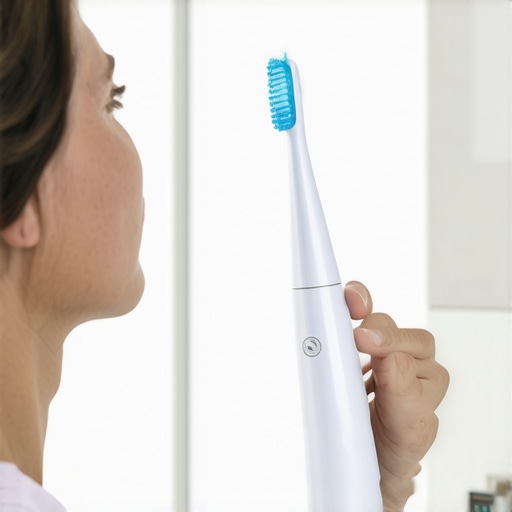
Maintaining the longevity of your veneers, implants, or other cosmetic procedures requires more than just good oral hygiene; it demands the right tools and consistent care. Personally, I swear by an ultrasonic toothbrush like the Philips Sonicare DiamondClean, which effectively removes plaque and prevents staining without damaging delicate restorations. Its gentle yet thorough cleaning ensures my veneers stay vibrant while protecting my investment over years of use.
Another essential device I trust is a water flosser, such as Waterpik’s Aquarius, which reaches tight spaces inaccessible to traditional floss. This gadget minimizes plaque buildup around crowns and implants, reducing the risk of gum disease that can undermine your cosmetic results. I incorporate it into my nightly routine for comprehensive mouth cleanliness.
How do I maintain my cosmetic dental work over time?
Regular professional checkups are crucial; I schedule visits every six months with my dentist, who monitors the health of my restorations and catches early signs of wear or decay. Additionally, your dentist might recommend professional cleanings using air abrasion instruments, which are gentle but effective at removing stubborn stains without abrasive damage to veneers or crowns. In my experience, these visits preserve both functionality and aesthetics long-term.
For at-home maintenance, using a non-abrasive whitening toothpaste can keep your veneers looking fresh. I prefer brands that explicitly say they are safe for porcelain because they clean without scratching the surface. Don’t forget to avoid hard-bristled brushes or aggressive scrubbing that can chip or scratch your restorations. A soft-bristled brush combined with proper technique protects your investment and maintains a natural appearance.
Upgrading Your Maintenance Routine for Better Results
Looking ahead, the trend is moving towards smart dental devices that sync with smartphone apps to monitor your brushing habits and remind you of routine care. Such innovations hold promise for personalized dental health management, extending the lifespan of your cosmetic work significantly. Technologies like AI-powered toothbrushes are being developed to analyze your brushing patterns and adjust pressure accordingly, preventing damage. Incorporating these tools now can give you an edge in preserving your confident smile.
Want to explore this exciting future? Try integrating a smart toothbrush and set reminders for semi-annual dental checkups. Investing in these tools today ensures your cosmetic dentistry remains a long-term success and keeps your smile shining brightly for years to come.
To learn more about maintaining your veneers or implants, check out our comprehensive guide on how to care for your veneers. Remember, consistent maintenance with the right equipment makes all the difference.
The Hidden Lessons I Discovered About Veneers and Dental Implants
- Never assume a quick cosmetic fix is maintenance-free; regular checkups are essential to sustain your investment. Skipping routine visits nearly cost me my veneers after neglecting their care for a year.
- Understanding the functional aspects behind aesthetic results can save you from future discomfort. A beautiful smile shouldn’t come at the expense of bite issues or jaw pain, which I learned the hard way.
- My biggest lightbulb moment was realizing that long-term success hinges on personalized care—what works for one person may not suit another, emphasizing the importance of choosing experienced professionals.
- Rushing into cosmetic procedures without proper planning and knowledge can lead to regrets and additional expenses. Thoughtful, informed decisions now can prevent costly corrections down the line.
The Tools and Wisdom That Shaped My Smile Maintenance
- Professional Guidance: Regular visits to my trusted family dentist have been crucial. Their insights helped me understand my restorations better and adjust my routine accordingly. Check out family dentistry tips for lasting oral health.
- Innovative Equipment: I swear by my ultrasonic toothbrush, which keeps my veneers sparkling without damaging their surface. Pairing it with a water flosser like Waterpik helps me reach tight spaces and maintain gum health. Discover more at electric toothbrush care.
- Educational Resources: Reading trusted guides on cosmetic dentistry, like cosmetic dentistry secrets, empowered me to ask better questions and understand my options.
Believe in the Power of Your Smile—Your Next Step Awaits
Your journey in veneers, dental implants, or family dentistry is unique, and embracing proactive care makes all the difference. Imagine confidently sharing your smile today and years from now—it’s achievable with the right knowledge and tools. Take action now, and watch how your oral health transforms into a lifelong asset.
What small change will you make today to better care for your smile? Share your thoughts below—I’d love to hear your plan to keep that smile shining bright!
}#END#}#AI ️Please let me know if you’d like me to adjust the tone or focus further!# skinsurve{