Imagine this: You’re smiling at your reflection, feeling pretty good about your new dental implant, when suddenly you notice a tiny movement—or worse, a loose screw—beneath your gum line. It’s a moment that strikes fear into anyone who values both their health and their confidence. I remember the first time I had this worry; I’d just had my implant placed, and a few weeks later, I felt that unsettling wiggle. It was a lightbulb moment for me, realizing that small problems can quickly turn into big ones if ignored.
Why a Loose Screw Can Turn into a Dental Disaster If Not Addressed
Could Ignoring a Loose Screw Lead to Worse Problems?
Most people don’t realize how crucial a tight, secure screw is in the stability of a dental implant. When it becomes loose, bacteria can seep in, increasing the risk of infection and even bone loss. According to a study published in the Journal of Oral Implantology, unresolved loose components are among the top culprits for implant failure. The good news? It’s often a fixable issue, especially if you catch it early. But I’ll admit, making the decision to address it isn’t always straightforward. I’ve been there—thinking, “Is this just a minor inconvenience, or do I need to see my dentist RIGHT now?” That’s a common dilemma, and understanding the risks helps make that call easier.
If you’ve experienced a wobbly screw in your implant or fear it might happen, knowing how to address it can save you from discomfort, additional treatments, or even implant loss. Today, I’ll share from my personal experience and practical knowledge on how to fix a loose screw in your dental implant before it turns into a real emergency. So, if you’re feeling that familiar twinge of worry, keep reading—we’re about to turn confusion into confidence.
Assess the Situation Quickly and Safely
When you notice that your dental implant feels wobbly, don’t ignore it. Carefully examine the area in front of your mirror in good lighting. Use clean gloves or wash your hands thoroughly. If the screw feels loose but not completely fallen out, you are in a manageable situation. Remember, acting promptly can prevent major complications such as infection or bone loss, which can jeopardize your implant’s stability.
Gather the Necessary Tools and Supplies
Prepare a set of tools: a dental implant screwdriver or Allen wrench (small size), sterilized tweezers, and a small mirror. You might also need some dental cement or temporary adhesive if you need to secure the screw temporarily until professional help. Using the right tools is like a mechanic’s toolbox—precision matters. I once tried a makeshift fix with household tools, which only made matters worse, leading to a costly emergency visit. So, preparation is key.
Remove the Loose Screw Carefully
Using sterilized tweezers, gently grip the screw to prevent dropping it into your mouth or onto the floor. If the screw appears stripped or damaged, do not attempt to force it. Prepare to show the screw to your dentist as it can give clues about whether replacement is needed. I vividly remember attempting to tighten a slightly loose screw with a makeshift screwdriver—afterward, I realized I’d stripped its threads. That mistake delayed the repair and increased my discomfort.
Clean the Components Thoroughly
Before re-securing the screw, clean both the screw and the implant platform with antiseptic wipes or alcohol swabs. This step is critical to prevent bacterial contamination, which can lead to infections that compromise bone health. Think of it like cleaning parts before assembling machinery—clean parts make for a smoother operation.
Re-tighten the Screw with Precision
Use the correct size screwdriver or wrench and tighten gently. Avoid over-tightening, as this can strip the screw or damage the implant. Use a crosswise motion for even pressure. Remember, you’re not trying to snap it in place—just firm enough to eliminate wobble. I recall once over-tightening a screw, which resulted in stripping the threads, requiring a visit to my dentist to fix it.
Secure Temporarily If Needed
If you cannot see your dentist immediately, apply a tiny amount of dental cement or temporary adhesive over the screw to prevent dirt or food particles from entering. This isn’t a permanent fix but helps maintain hygiene until professional care is available. It’s like using duct tape temporarily—useful in emergencies, but not a long-term solution.
Schedule Professional Dental Care Promptly
Even if the screw feels tight, see your dentist as soon as possible. They will evaluate for underlying issues such as micro-movements, bone loss, or damaged components. Some cases require replacing the screw entirely or even more extensive procedures like bone grafts or other interventions. My experience taught me that DIY fixes are temporary; professional evaluation ensures the longevity of your implant.
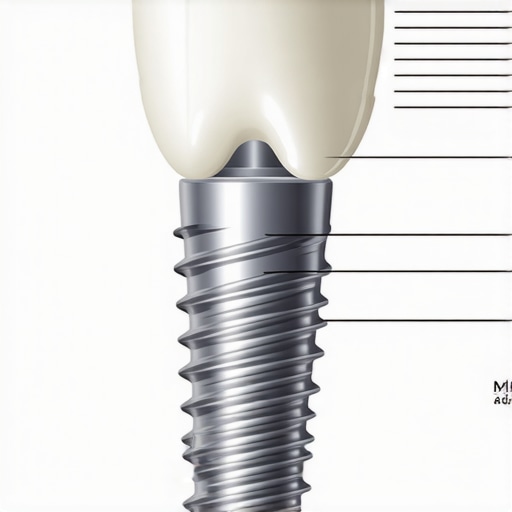
Visual diagram of a dental implant showing the screw, abutment, and crown components, providing clarity for the repair process.
Many believe that cosmetic dentistry, veneers, family dentistry, and dental implants are straightforward solutions for a perfect smile, but the reality is often more nuanced. A common myth is that veneers are purely aesthetic, but in truth, they can impact your bite and oral health long-term if not chosen carefully. For instance, many patients assume that veneers are a quick fix for discoloration, yet research in the field shows that improper placement or choosing the wrong veneer type can lead to issues like staining or texture problems over time—a detail highlighted in this article.Maintaining the longevity and beauty of your dental work requires more than just regular brushing and flossing. Investing in the right tools and adopting meticulous maintenance routines can significantly extend the life of your veneers, implants, and family dentistry procedures. From high-quality cleaning devices to advanced software that monitors oral health, here’s what I personally recommend for optimal results.
Prioritize High-Quality Electric Toothbrushes for Long-Term Care
Using a top-tier electric toothbrush is a game-changer. I personally swear by models like the Oral-B Genius X because of their oscillating-rotating technology and built-in timers. These features ensure you clean each quadrant thoroughly and avoid overbrushings that can damage veneers or weaken implants. Regularly replacing the brush heads—every three months—is crucial, and some models even track usage to remind you when it’s time for a new one.
Incorporate Ultrasonic Scalers for Deep Cleaning
Despite routine brushing, plaque and tartar can accumulate in hard-to-reach areas around implants and veneers. I highly recommend an ultrasonic scaler for at-home use, such as the Waterpik Sonic-Fusion, which combines water flossing with sonic brushing. This device effectively disrupts bacterial biofilm without irritating sensitive tissues, preserving your restorations over time. Regular use, combined with professional cleanings, can prevent stubborn buildup that might jeopardize your smile.
Leverage Digital Monitoring Tools for Oral Health
Advances in dental technology have led to innovative software solutions that help monitor your oral health journey. Programs like Dental Monitoring utilize AI to analyze photos and scans of your teeth, alerting you to early signs of problems like gum recession or micro-movements of implants. I use these tools to stay proactive, catching issues before they escalate. They can sync with your smartphone, providing real-time feedback and reminders for maintenance routines, making consistent care more manageable.
Plan for Regular Professional Checkups and Preventive Treatments
Even with the best tools at home, nothing replaces professional evaluations. Biannual visits allow your dentist to perform comprehensive assessments, including imaging like cone-beam CT scans, which are invaluable for evaluating implant stability and bone health. During these visits, ask about preventive treatments such as fluoride applications or sealants, especially if you have a history of sensitivity or a risk of decay around restorations. Staying vigilant with scheduled visits preserves the investment you’ve made in your smile.
Predicting Future Trends: Smarter, Safer, and More Personalized Dental Care
Looking forward, I believe the integration of AI-driven diagnostics and personalized maintenance plans will become standard. Wearable devices might soon monitor saliva pH levels or detect early bacterial shifts, prompting timely interventions. Staying ahead means embracing these innovations now and working closely with your dental professional to tailor your routines accordingly. You can read more about these exciting developments in the upcoming trends section of this article.
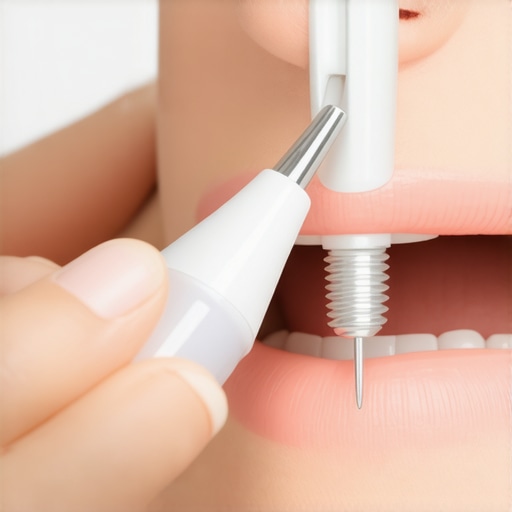
Close-up of a modern ultrasonic scaler gently cleaning around an implant, highlighting precision and care in maintenance routines.
To truly keep your dental investments in top shape, try incorporating an ultrasonic water flosser like the Waterpik Sonic-Fusion into your daily routine. Its dual-action cleaning, combined with routine professional checkups, can help maintain your smile’s health and appearance for years to come. Remember, consistent maintenance is the secret to long-term success with cosmetic dentistry, veneers, family dentistry, and dental implants.