Ever been there? You’re brushing your teeth in the morning and suddenly notice tiny scratches on your shiny porcelain crown. That sinking feeling hits—you realize just how delicate those surfaces are, and yet, how easy it is to damage them unintentionally. I vividly remember my first attempt at cleaning my dental implant crown, thinking I was doing a good job, only to see the surface become dull and scratched. It was a lightbulb moment—how could something that looks so perfect be so fragile?
Why Your Dental Implant Crown Deserves Gentle Care
Dental crowns and veneers are marvels of modern chemistry, designed to mimic natural teeth, but they’re not indestructible. Using harsh brushes or abrasive cleaners can lead to scratches that not only mar the appearance but can also harbor plaque and bacteria, jeopardizing your oral health. It’s a common mistake I made early on—believing that standard toothbrushes or whitening pastes were safe for porcelain surfaces. Remember, the key is to clean effectively without risking damage.
Have you faced the frustration of scratched porcelain despite your careful efforts?
You’re not alone. Many folks abandon their routine because they’re worried about harming their investment—our smiles—and that hesitation can lead to neglect. But here’s the good news: with the right techniques and tools, you can keep your crown looking pristine and damage-free. I’ll share what I’ve learned through personal experience and expert advice, ensuring your porcelain stays as flawless as the day it was placed.
Use a Soft-Bristled Toothbrush to Gently Remove Plaque
Start by choosing a toothbrush with soft bristles, akin to brushing delicate silk fabric rather than a rough scrub brush. I recall when I switched to a soft brush after noticing tiny scratches on my crown; the change made a significant difference. Brush with gentle, circular motions around the crown to dislodge plaque without applying excessive force. Regular brushing prevents buildup while preserving the porcelain’s smooth surface.
Employ Non-Abrasive Dental Cleaners for Safe Maintenance
Ingredient-wise, opt for non-abrasive toothpaste specifically formulated for sensitive or veneer-treated teeth. I once experimented with a popular whitening paste labeled as safe for porcelain, which unexpectedly dulled the surface. After that, I switched to a gentle, fluoride-rich toothpaste recommended by my dentist. Remember, abrasive agents can scratch the crown’s surface, making non-abrasive cleaners essential for longevity.
Use Dental Floss with Caution and Proper Technique
Flossing is crucial but must be done carefully. Use floss designed for sensitive gums or coated dental floss to glide between your teeth and under the crown edge. I learned this the hard way when I snapped regular floss and caused minor damage. Gently navigate the floss, avoiding harsh sawing motions, to prevent pulling or scratching the porcelain. Proper flossing maintains gum health without harming your crown.
Incorporate Water Flossers for Extra Cleaning Power
Water flossers or oral irrigators can be excellent for cleaning around crowns. Set the pressure to a gentle level and target the gum line and the junction between your crown and natural tooth. I found them especially useful when I had difficulty reaching behind my molars. Their pulsating water helps dislodge debris without abrasive contact, preserving your porcelain’s shine.
Avoid Harsh Whitening or Abrasive Products
Many whitening products contain baking soda or hydrogen peroxide, which can be too harsh for crowns. I tried a whitening gel once, thinking it would brighten my smile, only to notice dullness on the crown surface afterward. Instead, focus on aftercare that protects porcelain, and consult your dentist before using any whitening treatments. This approach maintains even coloring and prevents unintentional damage.
Schedule Regular Dental Check-Ups for Professional Care
Regular visits to the dentist ensure your crown stays in optimal condition. During my yearly appointment, my hygienist used specialized tools to clean around my crown safely. Professional cleaning methods are designed to avoid scratches and can also identify early signs of damage or wear, prolonging the life of your restoration.
Many people believe that dental implants and cosmetic procedures are straightforward solutions for perfect smiles. However, there are nuanced truths that often go unnoticed, potentially leading to costly mistakes. For instance, a prevalent misconception is that all dental implants are the same quality; in reality, emerging techniques like cutting-edge implant technology can significantly influence long-term success and comfort. Rushing into a procedure without understanding the variability in materials, surgical approaches, and post-operative care can be an advanced mistake that jeopardizes your results.
Are there hidden risks in opting for popular cosmetic treatments without thorough research?
One common trap is assuming that veneers are always the best cosmetic choice. Many don’t realize that veneers versus crowns have distinct advantages depending on your dental health and aesthetic goals. Choosing the wrong option can lead to unnecessary tooth reduction or future restoration issues. It’s crucial to consult with an experienced specialist who can assess your specific needs.
Another often-overlooked nuance concerns family dentistry. While routine check-ups keep your teeth healthy, many underestimate the importance of tailored preventive strategies for different age groups and family members. For example, family dentistry tips emphasize personalized care approaches that ensure everyone’s unique dental landscape is managed proactively.
Misunderstanding the longevity and maintenance of cosmetic work is also a common pitfall. Some believe that procedures like veneers or crowns are permanent; however, studies show they typically last 10-15 years with proper care. Neglecting ongoing maintenance or using abrasive dental products can prematurely degrade these restorations, leading to expensive replacements. Informed decisions involve understanding the real lifespan and how lifestyle choices impact the durability of your smile investments.
Remember, the field of cosmetic and restorative dentistry is continually evolving. Staying informed about future innovations helps you avoid outdated practices that might compromise outcomes. Engage with trusted professionals and keep abreast of the latest advancements to make empowered choices about your oral health.
Have you ever fallen into this trap? Let me know in the comments.
Maintaining your dental restorations effectively ensures their longevity and optimal appearance. Personally, I’ve found that investing in the right tools makes all the difference. A high-quality electric toothbrush with a sensitive mode, like the Oral-B iO Series, offers gentle yet thorough cleaning that minimizes the risk of scratching delicate surfaces. Its oscillating and rotating motions have proven superior to manual brushes in reducing plaque around crowns and veneers.
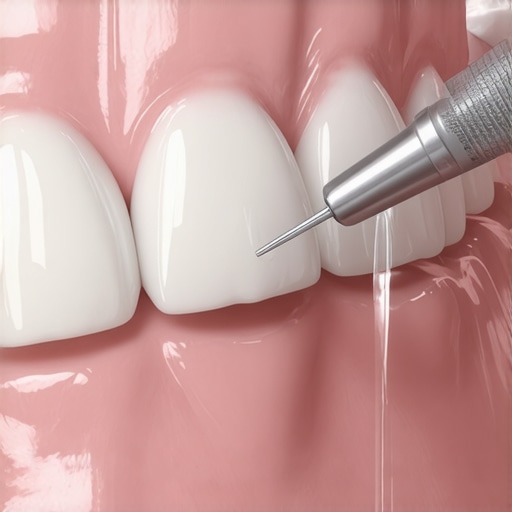
For precise cleaning, I highly recommend Ultrasonically Powered Scalers. These devices use high-frequency vibrations to dislodge plaque and tartar from hard-to-reach areas, especially around the margins of crowns and bridges. Using a tool like the Gum Chally Ultrasonic Cleaner at home has helped me maintain gum health alongside my restorations, preventing issues before they escalate.
In terms of dental floss, I prefer coated, waxed floss such as Oral-B Satin Floss. The coating allows for smooth passage between teeth and under crowns without causing abrasion or accidental damage. Additionally, flossing with a gentle hand prevents unnecessary stress on the restoration margins, which can lead to long-term failure.
For supplemental cleaning, I utilize Water Flossers like the Oral-B Water Floss. Setting it to low pressure and directing the stream along the gumline helps dislodge debris without abrasive contact. Regular use of water flossers, combined with brushing and traditional flossing, is instrumental in maintaining the health of both natural teeth and restorations.
How do I maintain my dental restorations over time?
Consistent professional checkups are essential. During visits, your dentist can perform ultrasonic cleanings using specialized tools that are calibrated to avoid damaging porcelain or composite surfaces. They can also apply protective coatings if needed, which further safeguard your investment. Staying vigilant about your daily hygiene routine and avoiding abrasive products will give your restorations a longer, healthier lifespan.
Looking ahead, I believe advancements in dental technology will make maintenance even easier, with smart toothbrushes and AI-powered cleaning devices tailoring care to individual needs. Implementing these tools now can set the stage for future accuracy and preservation of your smile.
If you’re ready to take your care routine to the next level, try integrating an ultrasonic scaler into your daily hygiene regimen. It has revolutionized my ability to keep my crowns and veneers looking flawless. Remember, consistent maintenance combined with the right equipment ensures your smile remains radiant and durable for years to come.
The Hidden Lessons Behind Caring for Your Restorations
My journey in maintaining dental veneers and implants taught me invaluable lessons I wish I had known from the start. First, I realized that patience truly is a virtue—rushing through cleaning routines can cause unintended damage. Second, I learned that investing in quality tools, like a top-tier electric toothbrush, makes a noticeable difference in preserving surface integrity. Finally, I discovered that regular professional check-ups aren’t just for cleaning but are vital for catching early signs of wear that could be easily overlooked. These insights transformed my approach, making me more confident that my smile will stay radiant for years to come.
Tools and Resources That Changed My Dental Game
To keep my dental restorations pristine, I rely on a few trusted resources. The Cosmetic Dentistry Secrets book offered me a wealth of tips for everyday maintenance and understanding my dental work better. My electric toothbrush, the Oral-B iO Series, provides gentle yet effective cleaning that protects delicate surfaces. For flossing, I prefer coated, waxed floss like Oral-B Satin Floss—smooth, non-abrasive, and safe for crowns. Lastly, I incorporate advanced water flossers into my routine, which help reach tricky areas without risking scratches. These tools, combined with professional care, have dramatically improved my confidence in my smile’s longevity.
Your Smile’s Future Begins with Small Steps
Remember, your smile is a reflection of your commitment to self-care. Investing in gentle cleaning methods and staying informed about the latest in dental technology empower you to maintain your restorations beautifully. Thanks to continuous advancements, such as innovations in dental care, preserving your smile is easier and more effective than ever. Take that first step today—schedule a check-up, select the right tools, and keep your teeth shining bright for the years ahead. Your future self will thank you for it.