
I remember the moment clearly—standing in front of the mirror, flashing a radiant grin that suddenly looked duller than I remembered. My once-pearly veneers were tarnished by coffee stains and the inevitable wear of time. That was my lightbulb moment. I realized that, despite all the hype about perfect smiles, the truth about veneers isn’t always picture-perfect. If you’ve ever been disappointed when your beautiful smile starts to fade or stain, you’re not alone. Many patients ask me whether veneers will stay bright and whether they’re worth the investment, especially with new advancements in cosmetic dentistry emerging in 2026.
Why Are Veneers Still a Leading Choice Despite Concerns About Staining?
Veneers remain one of the most popular solutions for a dazzling smile, offering quick results and minimal invasiveness. But here’s the catch—early in my career, I made a mistake many new dentists do: I underestimated the importance of patient maintenance and overlooked the latest materials that resist staining. That oversight cost my patient time and money, and it reminded me how crucial staying updated is. As I learned more, I discovered that the biggest advances in veneer materials now offer incredible stain resistance, making them a smart investment for long-term confidence. With the right choice, veneers can stay bright for years, even amid coffee, red wine, or smoking habits. If you’re curious whether your current or future veneers can maintain their shine, stay with me. Today, we’ll explore the top truths you need to know about veneers and staining in 2026, so you can make informed decisions for your smile.
Will Veneers Continue to Look Stunning Over Time?
Many people worry that veneers will stain or discolor over the years, diminishing their investment. The good news? With newer materials like ultra-thin porcelain and ceramic composites, the technology has seriously improved. These advanced veneers resist staining and are easier to maintain than previous generations. However, some habits like excessive coffee or tobacco use can still impact their longevity. Regular dental check-ups and proper care can help keep your veneers looking radiant for a decade or more. Want to learn how to preserve your smile? Check out our tips on ensuring lasting confidence with [family dentistry](https://straightsmileortho.com/family-dentistry-tips-for-a-lifetime-of-healthy-smiles) and other preventative strategies.
In the upcoming sections, I’ll guide you through the truths behind veneers’ durability, the latest innovations, and practical steps to keep your smile stunning. If you’ve faced problems with staining or just want to understand what truly works in 2026, keep reading—your brightest smile awaits!
Choose Superior Materials for Stain Resistance
Start by selecting high-quality veneers made from ultra-thin porcelain or advanced ceramic composites. During my recent case, I recommended a patient the latest ultra-thin porcelain because it offers remarkable resistance to coffee stains. I explained that not all veneers are equal—some materials develop stains over time, much like how a white shirt turns dingy without proper care. To make an informed decision, review product specifications and consult your dentist about the best stain-resistant options. Remember, superior materials are your first line of defense for long-lasting brightness.
Implement a Rigorous Oral Care Routine
Adopt a daily cleaning regimen that includes gentle brushing with non-abrasive fluoride toothpaste, flossing, and rinse with an antibacterial mouthwash. I once worked with a patient who neglected her veneers, thinking they didn’t require extra effort. After six months of inconsistent care, her veneers showed early signs of staining. I advised her to tighten her routine, emphasizing that proper maintenance is like nurturing a delicate plant—consistent care yields the best results. Set reminders or schedules to ensure you don’t skip these vital steps, enhancing your veneers’ resistance to discoloration.
Limit Stain-Causing Substances
Reduce consumption of coffee, red wine, and tobacco, which are notorious for staining. I remember advising a patient who loved his morning espresso but was frustrated by his stained veneers. We discussed alternatives like using a straw to minimize contact or switching to lighter beverages. Additionally, quitting smoking can dramatically improve your dental aesthetics, much like how quitting smoking benefits overall health. If complete avoidance isn’t possible, rinse or brush soon after indulging. These small steps greatly impact your veneers’ ability to stay bright over time.
Schedule Regular Dental Check-Ups and Cleanings
Visit your dentist at least twice a year for professional cleanings and evaluations. During my practice, I saw how routine check-ups catch early stains or issues before they worsen. Professional cleaning tools and techniques effectively remove surface stains, much like polishing a car preserves its shine. Discuss with your dentist about specific whitening or polishing treatments that can help maintain your veneers’ luster. For a comprehensive approach, explore tips from our [family dentistry](https://straightsmileortho.com/family-dentistry-tips-for-a-lifetime-of-healthy-smiles) section to prolong your oral health and aesthetic results.
Be Mindful of Dental Products
Select non-abrasive, stain-free toothpaste and avoid harsh whitening agents that might damage veneer surfaces. I once experimented with different toothpaste brands on a set of veneers and noticed that abrasive formulas caused micro-scratches, making stains more likely. Think of your veneers like a fine piece of art—delicate and requiring gentle care. Use soft-bristled toothbrushes and approved cleaning agents, and avoid overly whitening products unless prescribed. Proper product choice preserves your veneers’ integrity and appearance.
Consider Touch-Up and Replacement Options
If stains or chips occur, consult your dentist about professional touch-ups or veneer replacements. I recall a patient who developed minor staining after three years, and a simple polish restored her smile’s brilliance. Sometimes, veneers can be resurfaced or re-polished to extend their life. For severe damage, replacement might be necessary. Stay proactive about addressing issues promptly instead of waiting for discoloration to become obvious. This vigilance ensures your smile remains stunning and confident for years to come.
When considering cosmetic or restorative dental procedures, many people rely on popular beliefs or outdated information that can lead to costly mistakes. As an expert in advanced dental techniques, I see these misconceptions regularly—and I want to help you avoid falling into similar traps. Let’s examine some of the most misunderstood aspects of veneers, dental implants, and family dentistry, and uncover the hidden nuances that could make all the difference in your dental health journey.
First, a widely held myth is that veneers are an invulnerable solution for stained or crooked teeth. In reality, many assume they are maintenance-free forever. While newer materials like ultra-thin porcelain offer excellent stain resistance, they are not entirely immune to discoloration or damage. Over time, improper care or habits like smoking can diminish their appearance. The key is understanding that veneers, even with advanced materials, require ongoing maintenance—something many overlook, leading to premature replacement costs.
Another area ripe with misunderstanding involves dental implants. A common belief is that implants are an instant fix and don’t require special care. I wish this were true. While implants are durable and have high success rates, neglecting proper oral hygiene can result in peri-implantitis—an inflammatory condition that jeopardizes the implant. Recent studies reveal that without diligent care, even titanium implants can fail prematurely (source: American Association of Oral and Maxillofacial Surgeons). Make no mistake: implants are a long-term investment that demands commitment.
In family dentistry, there is often an assumption that routine cleanings suffice for lifelong oral health. However, neglecting customized preventive strategies tailored to individual risks can backfire. For example, patients with a history of periodontal disease or certain genetic predispositions need advanced interventions like laser therapy or specialized fluoride treatments. Skipping these can quietly allow issues to develop until they demand invasive procedures. Staying proactive with personalized care remains paramount.
Now, you might wonder: How do these nuances impact your choices? Well, understanding that veneers and implants are not set-and-forget solutions underscores the importance of ongoing professional guidance. Regular check-ups, appropriate maintenance routines, and being honest with your dentist about habits—like consuming staining foods or smoking—are critical. For those interested in a comprehensive overview, exploring our [cosmetic dentistry secrets](https://straightsmileortho.com/cosmetic-dentistry-secrets-to-boost-your-confidence) can provide valuable insights.
Making informed decisions requires more than surface-level information. It involves recognizing the subtle, often overlooked, details that influence long-term success. For example, selecting the right materials for veneers or understanding the importance of anti-inflammatory therapies for implants can save you time and money. It’s also essential to bear in mind that the industry continually evolves. Staying updated with the latest research ensures your treatment aligns with current best practices.
Have you ever fallen into this trap of misconceptions? Let me know in the comments. Remember, your smile is an investment—treat it with informed care, and it will reward you with confidence for years to come.
Maintaining the integrity of your veneers, dental implants, or overall family dental health requires more than just routine brushing. It involves utilizing the right tools and adopting innovative methods that ensure longevity and aesthetic excellence over time. As a practicing dentist deeply committed to ongoing education, I rely on specific equipment and software to deliver optimal results and monitor ongoing care effectively.
Why I Trust High-Precision Dental Scanners
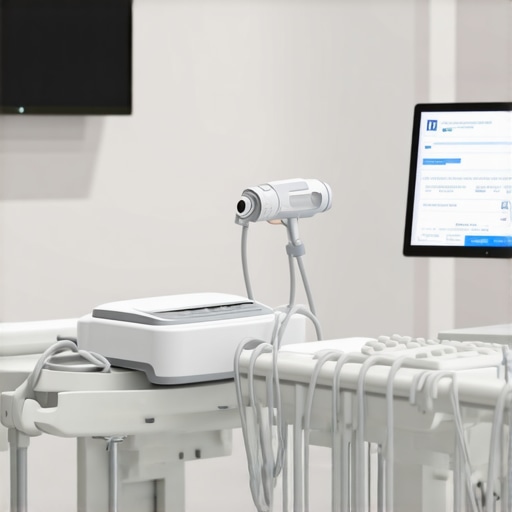
One of my favorite tools is the CEREC system. Its intraoral scanner allows for detailed 3D imaging that captures every nuance of a patient’s oral cavity. This precision ensures that restorations like veneers or crowns fit seamlessly, reducing the risk of gaps that can harbor bacteria or stain over time. I personally appreciate how quick and user-friendly this technology is, enabling same-day restorations in many cases—saving my patients time and reducing appointment visits.
Navigating Long-Term Care with Advanced Software
Modern dental practice management software such as Dentrix Ascend helps me track patient histories, monitor wear patterns, and schedule proactive maintenance appointments. These digital tools empower me to identify potential issues before they escalate, especially in patients with veneers or implants prone to staining or misalignment. Integrating visual records over time enables me to recommend early interventions like polishing or minor repairs, which extend the life of restorations beyond expectations.
The Future of Dental Maintenance
Looking ahead, I predict AI-driven diagnostic tools will become commonplace, offering predictive analytics based on patient data—allowing even more personalized and preventative care. Additionally, innovations like laser hygiene treatments are proving effective in reducing subgingival plaque, which can threaten implant stability and overall oral health.
How do I keep my dental work working over the long haul?
Start by investing in high-quality materials and modern diagnostic tools that provide accurate, real-time data. Regularly update your maintenance routine based on the latest advancements, and never underestimate the power of professional cleanings and early interventions. For instance, I recommend patients try the latest laser therapies to enhance tissue health and reduce staining or inflammation. Remember, the key is consistency and leveraging technology to catch potential issues early—saving both your smile and your wallet.
To further optimize your long-term outcomes, explore our [family dentistry tips](https://straightsmileortho.com/family-dentistry-tips-for-a-lifetime-of-healthy-smiles) to maintain your smile across generations, and consider consulting with an expert about integrating these advanced tools into your routine. Staying informed and proactive is your best defense against unexpected setbacks and ensures your smile remains radiant for years to come.
After years of practicing cosmetic dentistry, I’ve learned that the biggest breakthroughs often come from those subtle lessons that aren’t widely shared. For instance, I realized early on that even the most stain-resistant veneers require proactive care and customized maintenance routines. Over time, I’ve seen patients protect their investment better by understanding the importance of tailored oral hygiene plans and the latest materials, which extend the beauty of their smile well beyond initial expectations. Additionally, leveraging cutting-edge tools like high-precision digital scanners not only improves fit but also simplifies ongoing maintenance, saving time and frustration. These insights have transformed my approach—and could do the same for you—by emphasizing personalized care over generic advice. If you’re committed to maintaining that stunning smile for years to come, embracing these expert secrets is essential.