
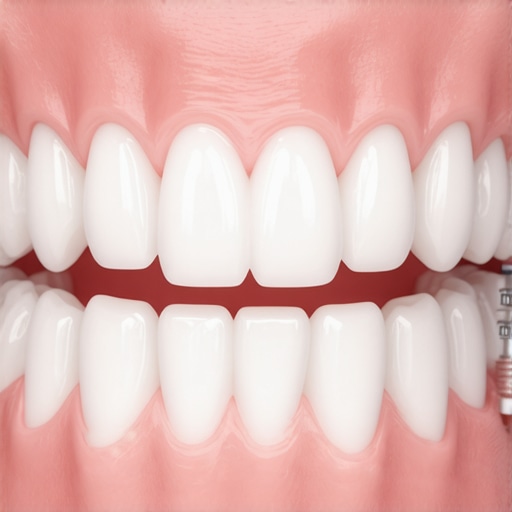
I remember the moment I first questioned my dental health after getting a dental implant. Sitting in my chair, I suddenly wondered, “Do I need to worry about cavities on this new tooth?” That lightbulb moment hit hard. Like many, I had believed that once I ditched my braces or veneers, my worries about cavities would disappear. But I soon discovered that dental implants, while revolutionary, aren’t completely invincible.
Why This Question Matters More Than Ever
As someone who’s navigated the world of cosmetic and family dentistry, I can tell you that understanding the longevity and health of dental implants is crucial. With advances in dental technology, many patients are opting for implants over traditional dentures or bridges. But here’s the catch: even with these high-tech solutions, misinformation spreads. A common misconception is that once your implant is in, you can neglect oral hygiene because cavities can’t form there—wrong! This false belief can lead to overlooked problems and, ultimately, implant failure.
In fact, studies show that about 70% of implant failures are linked to peri-implant diseases, which are often caused by plaque buildup—not cavities in the traditional sense, but the consequences are similar if neglected. So, the question isn’t just about cavities; it’s about overall gum health and maintenance. If you’re considering implants or have recently gotten one, it’s paramount to grasp what care entails to protect your investment.
What Ingredients for Success? How to Keep Your Implants Healthy
Early in my journey, I made the mistake of assuming that a dental implant was ‘set it and forget it.’ I didn’t pay enough attention to my daily brushing or flossing, thinking my implant was immune. That was a costly oversight. Now, I know that maintaining your implant’s health is much like caring for your natural teeth—consistent hygiene, regular dental visits, and being aware of warning signs are the keys to long-term success. For more detailed tips, check out our family dentistry tips.
Adopt a Stellar Oral Hygiene Routine
Think of your dental implant like a delicate plant that needs daily watering and care. Brush twice daily with a soft-bristled toothbrush, focusing on the gumline where plaque can hide. Floss meticulously at least once a day, using unwaxed floss or interdental brushes to clear debris around the implant. That’s how I prevented plaque buildup on my implant after realizing neglect was risking my investment. Keeping the area clean prevents peri-implant diseases that can compromise the implant’s stability.
Choose the Right Dental Products
Using the appropriate toothbrush and toothpaste is vital. Opt for non-abrasive, fluoride-rich toothpaste to protect your enamel and avoid ceramic or abrasive cleaners that could damage the implant surface. I learned this the hard way when I used an overly abrasive whitening paste, causing minor irritation. Additionally, consider an antibacterial mouth rinse periodically to curb harmful bacteria, especially if you’re prone to gum issues.
Schedule Regular Dental Check-Ups
Regular visits with your dentist are like routine check-ins with a trusted gardener. Every six months, your dentist will examine the implant site, clean hard-to-reach areas, and catch problems early. During my first year, I scheduled my appointments religiously, which helped me spot early signs of inflammation before they escalated. Ask your dentist about professional cleanings and the latest in implant maintenance techniques to maximize longevity.
Be Mindful of Your Diet and Habits
What you eat directly impacts your implant’s health. Avoid excessive sugary and sticky foods that encourage plaque. Incorporate crunchy fruits and vegetables, like apples and carrots, which naturally help clean your teeth—and your implant. I cut out smoking and heavy alcohol, realizing how they exacerbate gum recession and slow healing. Remember, habits like teeth grinding can place undue stress on implants; consult your dentist about a night guard if needed.
Watch for Warning Signs
Stay alert for persistent soreness, swelling, or bleeding around your implant—these are like early warning sirens. If you notice any changes, don’t delay consultation. A timely checkup can prevent minor issues from turning into costly failures. I personally experienced slight discomfort after a tough meal, and early intervention saved my implant from unnecessary stress.
Utilize Advanced Technologies
Modern imaging and guided surgery enhance the precision of implant placement, reducing risks and improving outcomes. As I learned, inquire about options like 3D-guided implants, which assist in avoiding nerve damage and ensure better integration. These innovations are becoming standard for successful long-term results, so stay informed about how your provider incorporates them.
Align Daily Habits with Your Dental Goals
Integrate simple habits like rinsing after meals or avoiding biting onto hard objects to protect your implant. For instance, I started using sugar-free gum after meals to stimulate saliva production, which balances oral pH and fights bacteria. Small adaptations make a big difference over time in maintaining the health of both your natural teeth and implants.
While many assume that dental implants and veneers are foolproof solutions requiring minimal upkeep, the reality is far more nuanced. One widespread misconception is that once a veneer is bonded, it requires no attention or maintenance—this couldn’t be further from the truth. Veneers, especially porcelain ones, are durable but susceptible to chipping, staining, or misalignment if proper oral hygiene and regular checkups aren’t maintained. In fact, some patients believe that veneers prevent cavities, but poor hygiene can still lead to decay at the margins or underlying teeth, underscoring the importance of meticulous care. Advanced considerations, such as choosing between zirconia and titanium implants, involve understanding the material properties and their long-term effects, as highlighted by recent studies advising personalized implant selection based on bone density and systemic health. Additionally, many overlook that cosmetic procedures, including Invisalign and teeth whitening, can sometimes cause unintended damage if not performed by qualified professionals, leading to sensitivity or uneven results. As experts warn, rushing into cosmetic choices without comprehensive consultation can result in costly repairs or compromises in oral health. To avoid these pitfalls, prioritize seeking reputable, experienced practitioners, and always inquire about the latest technologies and materials that optimize both aesthetics and durability. Remember, the key to lasting results lies in understanding the nuances, not just the surface features. For a deeper dive into choosing the right procedure for your needs, check our detailed guide on veneers and expert insights on dental implants. Have you ever fallen into this trap? Let me know in the comments.
Maintaining your dental implants, veneers, and overall oral health over the years isn’t just about good habits—it’s about equipping yourself with the right tools and adopting effective methods. Personally, I’ve found that investing in specific equipment and embracing advanced techniques can significantly prolong the life of your dental work, saving you time, money, and discomfort down the line.
How do I maintain my dental investments over time?
One of my favorite tools is a Sonicare DiamondClean toothbrush. Its ultrasonic vibrations do a superior job of removing plaque without damaging sensitive surfaces like veneers or implant abutments. I use it twice daily, and I’ve noticed a marked decrease in staining and plaque buildup. Unlike standard brushes, this device reaches into hard-to-access areas, ensuring comprehensive cleaning. For additional protection, I incorporate interdental brushes—specifically the TePe Easycheck—to clean around bridges and implants effectively. These small but powerful tools help prevent peri-implant diseases and keep my smile bright.
Another game-changer for me has been a water flosser, such as the Waterpik. Its pressurized water jets gently dislodge debris from between teeth and below the gumline, exactly where plaque tends to hide, especially around veneers or crowns. Regular use of a water flosser, paired with flossing, enhances gum health and reduces inflammation, contributing to the longevity of my dental work. I also swear by a small, handheld dental camera—like the MiDental—used periodically to self-examine hard-to-see areas. Early detection of any issues helps me seek professional care before problems escalate.
Professional methods that make a difference
In-office, my dentist employs laser periodontal therapy occasionally to treat early gum issues without invasive procedures. This technology accelerates healing and reduces discomfort, thus maintaining implant stability over the long haul. Additionally, I schedule regular professional cleanings—usually every six months—to tackle tartar buildup that my tools at home might miss. Regular maintenance visits are essential, especially if your lifestyle includes habits like smoking or consuming staining foods and beverages.
Looking ahead, I predict that advancements like AI-powered diagnostic tools will become standard in personal dental care routines. Devices capable of detecting early signs of decay or gum disease in real-time will empower us to act before issues become serious. It’s exciting to see how such innovations will further extend the lifespan of dental work and improve overall oral health.
Finally, embracing high-quality, evidence-based products recommended by your dental professional guarantees safety and effectiveness. For example, a recent *Australian Dental Journal* study emphasizes that personalized maintenance plans, including tailored cleaning tools, significantly improve long-term outcomes, which you can explore here.
If there’s one tip I urge you to try today, it’s using a water flosser daily. It’s a small investment that offers big benefits—especially around implants and veneers where delicate care is paramount. Staying proactive with the right tools now will ensure your dental work remains dependable and beautiful for years to come.
Over the years, I’ve come to realize that the journey to a radiant, healthy smile isn’t just about the initial procedure; it’s about the ongoing commitment to oral health. One of the most profound lessons I’ve learned is that even cutting-edge dental solutions like implants and veneers require diligent care to truly stand the test of time. This insight has been a game-changer in my own experience and can be for yours too.
Why I Never Thought Routine Care Was Crucial
At first, I thought that once I received my dental implant, my worries about cavities and gum issues would fade away—mistakenly believing that the implant was foolproof. The reality hit me hard when I learned that neglecting maintenance could jeopardize my investment. It’s a powerful reminder that the health of your natural teeth and dental restorations are interconnected, and overlooking this can lead to avoidable complications.
This realization pushed me to adopt a more proactive approach, understanding that consistent hygiene and regular checkups are essential. I now see that advanced dental technologies are only part of the equation; meticulous daily care seals the deal for long-term success. Staying informed through trusted sources ensures you’re equipped with the knowledge to protect your smile, much like consulting expert guides and trusted resources.
My Go-To Tools for a Lifetime of Healthy Smiles
Investing in the right tools makes a significant difference. I swear by my Sonicare DiamondClean toothbrush, which gently but effectively removes plaque without damaging sensitive surfaces like veneers or implant abutments. Using interdental brushes such as the TePe Easycheck helps me clean around crowns and bridges, reducing the risk of peri-implant diseases. Additionally, a water flosser like Waterpik has revolutionized my daily routine, allowing me to dislodge debris from hard-to-reach spaces effortlessly.
For ongoing self-care, I use a small, handheld dental camera to monitor areas I can’t see well, catching early signs of trouble. Combining these tools with professional cleanings ensures my smile stays bright and healthy, safeguarding my confidence and investment. Remember, the combination of modern technology and diligent habits makes all the difference in maintaining your dental work’s longevity.
Building a Ritual That Protects Your Investment
Consistency is key. Establishing a routine—brushing twice daily, flossing meticulously, and rinsing with antibacterial mouthwash—creates a protective barrier around your implants and veneers. Regularly visiting your dentist for checkups, ideally every six months, catches issues early before they escalate. During these visits, advanced diagnostics like 3D imaging can reveal hidden problems, ensuring your smile remains flawless for years.
Beyond routine care, mindful habits such as avoiding excessive sugary foods, not biting on hard objects, and quitting smoking significantly impact the health of your dental investments. They may seem small but compound over time, making all the difference in the durability and beauty of your smile. As I’ve learned, embracing these habits turns dental care from a chore into a vital part of self-love and confidence.
Advanced Strategies That Make a Difference
Embracing emerging technologies like laser therapy for gum health or AI diagnostics for early detection push your oral care into the future. Discussing these options with your dentist can open new avenues for long-term success. Remember, the best results come from partnerships with experienced professionals who stay updated with the latest innovations. For more insights on selecting the right procedures, explore our detailed guides on veneers versus crowns and top dental implant advice.
What I Wish I Knew from the Start
- Perfection Isn’t Instant: Achieving a beautiful, durable smile takes patience, consistent effort, and trust in your dental team.
- Maintenance Matters More Than You Think: Daily habits and regular checkups prevent small issues from becoming costly repairs.
- Technology Is Your Friend: Modern tools and advanced procedures can enhance longevity and comfort, making care easier and more effective.
- Knowledge Is Power: Staying informed through reputable sources empowers you to make proactive decisions about your oral health.
Take Charge of Your Smile Today
Remember, your dental health is an ongoing story—one that you dominate with the right habits, tools, and expert support. Investing in your smile now pays dividends in confidence, comfort, and appearance for years to come. If you’re ready to take that next step, I encourage you to explore trusted resources and consult seasoned professionals who prioritize your long-term wellbeing. Your radiant, healthy smile is within reach—embrace it today!
What steps are you taking to protect your dental investments? Let me know below, and share your journey toward a lasting, confident smile!
This article really sheds light on an often overlooked aspect of dental health—how even permanent solutions like implants require ongoing care. I had a close friend who thought her implant was ‘set it and forget it,’ only to face complications later due to neglecting hygiene practices. It made me realize how common misconceptions are, especially with the allure of new technology. Personally, I’ve started using interdental brushes and a water flosser to maintain my implants after reading about their benefits, and I’ve noticed a significant improvement in gum health. It’s reassuring to see such detailed advice on daily routines and tech tools—these make such a difference when it comes to long-term success. Have others here found that investing in specific tools or adopting new habits has helped prolong their dental work? I’d love to hear more practical tips from the community as well.