
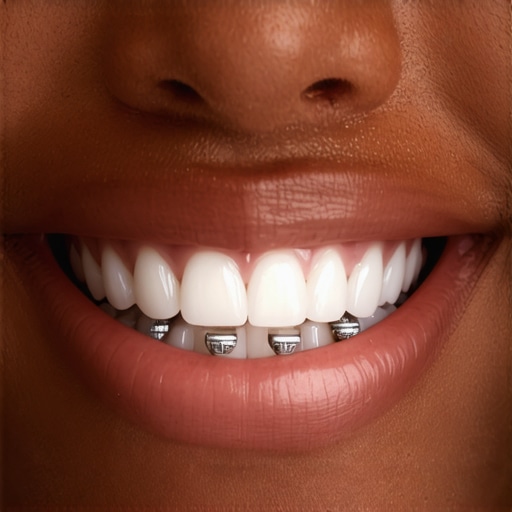
Ever looked in the mirror after a long day and felt that sinking feeling in your chest because of a chipped, missing, or uneven tooth? I’ve been there. That moment of realization can hit hard, making you question your smile and even your confidence. It’s a small thing, but it can cast a shadow over your entire day—and sometimes, your self-esteem.
But here’s the good news: I found that dental implants are revolutionizing how we approach smile restoration. They’re not just about aesthetics; they’re about reclaiming confidence, comfort, and long-term oral health. And trust me, once I understood what’s possible today, I knew I had to share this with anyone tired of hiding their smile.
Why Dental Implants Could Be Your Best Bet in 2024
Over the years, I’ve seen countless people struggle with removable dentures or risky fixes that only made things worse. My own mistake early on was rushing into a quick fix without understanding the full scope of what dental implants could do. I wish I had known sooner that they’re designed to look, feel, and function just like natural teeth. They’re truly a game-changer for anyone wanting a natural, lasting solution.
Unlike traditional bridges or dentures, dental implants fuse directly with your jawbone, providing stability and preventing bone loss. This isn’t just about aesthetics; it’s about safeguarding your oral health for the long haul. And the best part? The technology keeps advancing, making implants more natural-looking and affordable than ever before. If you’re tired of feeling embarrassed about your smile, I promise, this guide will show you how dental implants can bring back your confidence in 2024.
Is the Hype Around Dental Implants Actually Worth It?
When I first heard about dental implants, I was skeptical. I worried about pain, cost, and whether they would last. Honestly, my biggest mistake was listening to misconceptions and not doing enough research. I learned that, with the right dentist and modern techniques, implants are a safe, durable, and life-changing option. If you’ve faced similar doubts, don’t worry. I’ll walk you through what to expect so you can decide if they’re the right choice for you.
So, if you’re nodding along, feeling that familiar frustration or embarrassment, keep reading. We’re about to explore how dental implants can transform your smile and your life—starting today. Want to see how others have successfully made the switch? Check out this detailed guide for expert tips and real stories.
Assess Your Oral Health
Start by scheduling a comprehensive dental exam with a trusted family dentist. They will evaluate your jawbone density, gum health, and overall oral condition, which are crucial for successful implants. During my first consultation, I was surprised to learn that my bone was too thin, requiring a bone graft before the actual implant. This step can save you from surprises later and ensures your mouth is ready for the procedure.
Research and Choose the Right Dentist
Look for a dentist who specializes in dental implants and has a proven track record. Read reviews, check credentials, and ask about their success rates. I visited a few clinics before choosing one that used the latest technology, which made the process smoother and less invasive. Remember, a skilled practitioner is key to natural-looking and durable results. For more guidance on selecting a provider, visit this resource.
Plan Your Treatment Steps
Preparation and Pre-Procedure Care
Follow your dentist’s instructions on oral hygiene, which might include deep cleaning or antibiotics. I was advised to avoid smoking and alcohol as they can hinder healing. Proper preparation reduces risks and ensures the best outcome.
The Implant Surgery
During the procedure, the dentist inserts titanium posts into your jawbone. This process is akin to planting sturdy stakes in fertile soil. I was awake but sedated, and the process took about an hour. The key here is precision—modern techniques like computer-guided surgery improve accuracy and comfort.
” alt=”Dental implant surgery procedure” title=”Dental implant procedure”/>
Post-Operative Care and Healing
Immediately after, you’ll experience some swelling and discomfort, which can be managed with prescribed medication. My experience was similar; I applied ice and stuck to soft foods for a few days. Keep good oral hygiene but avoid disturbing the implant site. Follow-up visits are crucial to monitor healing and integrate the implant with your jawbone, a process called osseointegration. During this phase, the implant fuses with your bone, providing a stable foundation for the crown.
Attaching the Crown
Once healed, your dentist will attach a custom-made crown that matches your natural teeth. This final step is like fitting a new, perfectly shaped cap on a pipe—it completes the restoration and gives you back your smile. I was amazed at how seamlessly it blended with my existing teeth, restoring my confidence.
Maintain Your New Smile
Good oral hygiene, regular dental check-ups, and avoiding hard foods will prolong the life of your implants. Consider using a night guard if you grind your teeth, protecting your investment. The results are long-lasting, especially when combined with consistent care. For ongoing tips, explore this guide.
Many people enter the world of cosmetic and family dentistry with some misconceptions that can lead to costly mistakes or unmet expectations. Let’s dig deeper into what most get wrong and uncover some hidden nuances that can dramatically influence your decision and results.
Why Believing Veneers Are Always Better Than Crowns Can Backfire
While veneers are often lauded for their natural appearance, they are not always the best choice for everyone. Some assume that veneers are a one-size-fits-all solution for smile enhancement, but in reality, they are best suited for minor to moderate aesthetic issues. Crowns, on the other hand, provide more coverage and strength, especially in cases of significant decay or damage. Overlooking this can result in choosing a less durable option that might need replacement sooner. For a detailed comparison, check out this guide.
Dispelling the Myth That Dental Implants Are Just About Looks
Many believe dental implants are purely cosmetic, but their benefits go far beyond aesthetics. They help preserve jawbone density, prevent facial sagging, and maintain your bite functionality. Ignoring these benefits can cause you to undervalue implants, especially if you’re only considering the initial cost. Modern research, like the study published in the Journal of Oral Implantology, confirms that implants significantly contribute to long-term oral health and facial structure. Explore this resource for more insights.
Advanced Mistake: Overlooking Bone Density and Surgical Nuances
One common trap is assuming that a straightforward implant procedure is suitable for everyone. The truth is, bone density and jawbone quality are critical factors. Younger patients with healthy bones often heal faster and have less complications, but older patients or those with bone loss may need preparatory procedures like bone grafts. Failing to assess these nuances can lead to implant failure or prolonged recovery. It’s essential to work with a specialist who understands the intricacies of osseointegration and uses advanced techniques, such as computer-guided surgery, to ensure success. For expert tips on this, visit this article.
And when it comes to family dentistry, many think of it only as basic care. But a comprehensive family dentist can provide preventive care, early diagnosis, and tailored advice that saves money and preserves your family’s oral health over decades. Regular check-ups, personalized hygiene routines, and early intervention can prevent costly treatments later. For ongoing guidance, see this resource.
Have you ever fallen into this trap? Let me know in the comments. The more we understand these hidden nuances, the better choices we can make for lasting confidence and health.
Maintaining your dental investments, whether it’s veneers, implants, or family dentistry treatments, requires more than just good intentions; it demands the right tools and techniques. Over the years, I’ve tested various equipment and methods that ensure long-lasting, natural-looking results, and I want to share what works best for me and my patients.
First, a high-quality ultrasonic scaler has become indispensable in my practice. It provides gentle yet thorough cleaning, removing plaque and tartar without damaging delicate restorations like veneers or the porcelain on crowns. I personally prefer models with adjustable power settings and a slim tip for precision, such as the Sonicare FlexCare Platinum. Regular use of this tool at home, with a soft-bristled toothbrush, keeps the surfaces smooth and reduces staining, prolonging the integrity of your restorations.
Next, investing in a good dental mirror with LED illumination allows for better visibility during daily oral hygiene routines. I recommend a mirror with a built-in light because it helps you spot plaque buildup or early signs of wear before they become bigger issues. This small addition can make a significant difference in your maintenance routine, especially when combined with flossing tools like the GUM Soft-Picks. These are gentle yet effective for cleaning around crowns and between teeth, preventing decay or gum disease that might threaten your restorations.
Another game-changer is the use of fluoride rinses with low abrasiveness. I personally recommend Act® Restoring Mouth Rinse because it strengthens enamel and protects against acid erosion, which is crucial for those with veneers or implants. Implementing a daily rinse forms a protective barrier, especially in the long term, helping your restorations look new for years to come. It’s also a good idea to incorporate interdental brushes for hard-to-reach areas—these small tools can reach around implants or under bridges where regular brushing might miss plaque buildup.
When it comes to long-term results, staying consistent with professional check-ups is key. During these visits, I use advanced intraoral cameras, like the Carestream CS 8100, which provides high-resolution images that reveal early signs of wear or decay. These images allow for precise intervention, often before aesthetic or functional issues escalate. As technology advances, I predict more practices will adopt AI-driven diagnostic tools that can analyze images for subtle changes, helping us catch problems sooner and extend the lifespan of your dental restorations.
For those looking to scale their dental health efforts, consider digital whitening treatments and custom bleaching trays. These tools, when used correctly, can refresh your smile without compromising existing restorations. Remember, maintaining your smile is an ongoing process—your tools and routine should evolve as new innovations emerge. For detailed guidance on long-term maintenance, visit this resource.
How do I keep my dental restorations working over time?
The best way to ensure your veneers, implants, and other restorations stay in top shape is through consistent, targeted care. Use a soft-bristled electric toothbrush like the Philips Sonicare ProtectiveClean, which provides gentle yet effective cleaning. Incorporate specialized flossing tools and mouth rinses to reinforce your daily routine. Schedule regular professional cleanings and examinations, ideally every six months, where your dentist can use state-of-the-art diagnostic tools and customize maintenance plans. Additionally, consider adopting newer technologies like laser dentistry for minor touch-ups, which can preserve the integrity of your restorations and prevent the need for replacements. Staying proactive with your oral health not only prolongs the life of your dental work but also preserves your overall well-being. For expert tips on maintaining your smile with family dentistry, check out this article.
The Hardest Lesson I Learned About Veneers and Implants
Initially, I thought choosing between veneers and dental implants was straightforward, but I soon realized that rushing into a decision without understanding my unique oral health needs led to unnecessary complications. Patience and thorough consultation are vital.
Why Not All Cosmetic Fixes Are Created Equal
I used to believe veneers were the ultimate solution for a perfect smile, but I discovered that in cases of significant damage or decay, crowns and implants often offer more durability and long-term satisfaction. Knowing the right choice can save you money and stress.
Bone Density Matters More Than I Thought
One lightbulb moment was understanding how critical jawbone health is for implant success. Ignoring this aspect can result in failure or prolonged healing. A comprehensive evaluation can make or break your results, so work with experts who understand these nuances.
Technology Can Truly Transform Your Experience
Advances like computer-guided surgery and intraoral imaging have changed the game, making procedures less invasive and more precise. Embracing these tools can dramatically improve your outcome and comfort.
Long-Term Care Keeps Your Smile Bright
Investing in quality tools like ultrasonic scalers and custom whitening trays has helped me maintain my restorations’ appearance and health over time. Regular professional checkups with advanced diagnostics ensure lasting confidence in your smile.
I really appreciate how thorough this guide is on dental implants. As someone considering this option, I found the section about assessing oral health especially helpful, since I was worried about whether my jawbone would support an implant. I learned that a thorough exam can reveal if I need additional procedures like bone grafts, which might extend the timeline but are essential for long-term success. One thing that stood out to me is the emphasis on choosing a skilled dentist with modern tech—I’ve read that advanced imaging and computer-guided surgery can make the process much less invasive and more predictable. Has anyone had experience with this technology? Did it make a noticeable difference in your recovery or results? Overall, this post really demystifies the process and highlights how important professional guidance and personalized care are. Would love to hear others’ thoughts or tips on navigating the prep and surgery phases.
Reading through this detailed guide on dental implants, I appreciate how it emphasizes the importance of personalized treatment planning and modern surgical techniques. I had a similar experience where my dentist used 3D imaging and computer-guided surgery, which really made a difference in the precision and comfort of my procedure. It was less invasive, and recovery was surprisingly quick. I think technology like this not only improves outcomes but also helps patients feel more at ease during what can be an intimidating process.
One challenge I faced was managing post-surgical swelling and discomfort, but my dentist provided thorough instructions, which really helped. For anyone considering implants, one aspect I’d recommend is to ask your dentist about the specific technology they use—this can have a significant impact on your experience.
Have others found that latest tech approaches have improved their surgical outcomes or recovery times? It seems like embracing these advancements is essential for achieving the best long-term results.