
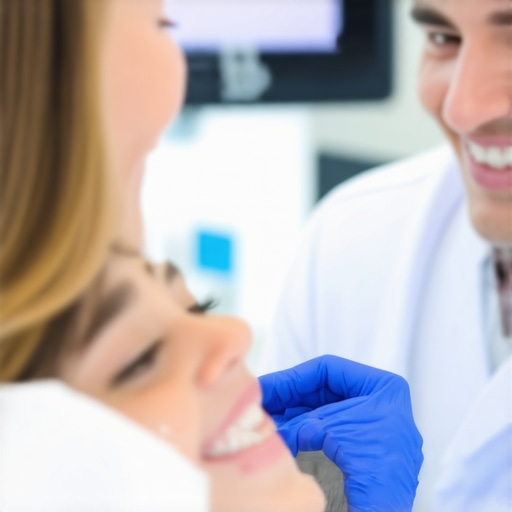
I remember the moment clearly. I was standing in front of the mirror, trying to smile naturally, but something just felt off. My confidence had taken a hit because I was missing a tooth, and every time I talked or laughed, I could feel the gap. It was more than just aesthetics—it affected how I felt about myself. That was my lightbulb moment. I realized I needed to find a lasting solution that could restore not just my smile, but also my confidence.
Why Dental Implants Are a Game-Changer in 2024
Fast forward to today, and I can honestly say that dental implants have transformed my life—and many others’—by providing a stable, natural-looking solution for missing teeth. Unlike dentures or bridges, implants fuse directly with the jawbone, offering unparalleled stability and durability. This means no slipping, no discomfort, and a smile that feels completely natural. According to recent research, over 3 million Americans have already chosen implants, and that number is growing rapidly as people realize the long-term benefits. If you’re tired of hiding your smile or feeling self-conscious, dental implants might be the answer you’ve been searching for.
Have You Faced the Frustration of Missing Teeth?
It’s a common experience. Missing teeth can make you hesitant to show your smile, avoid certain foods, or even speak confidently. I’ve been there. Early on, I made the mistake of thinking a quick fix like a patch-up denture would do. But I soon learned that temporary solutions often lead to more problems down the line—like bone loss or discomfort. Trust me, I wish I had started with a trusted professional sooner. Today, I want to help you avoid that mistake and explore how the right dental solutions can restore your confidence for years to come.
If you’re wondering whether dental implants are worth the hype, you’re not alone. I’ll walk you through the benefits, the process, and how to choose the best options for your unique needs. Ready to take the first step toward a brighter, more confident smile? Let’s dive into what makes 2024 the perfect year to embrace lasting confidence through expert dental care.
Secure Your Foundation First
Start by evaluating your jawbone health, which is crucial for implant success. During my first consultation, I underwent a detailed scan that revealed bone density levels. This step is vital because the implant fuses with the jawbone, providing stability comparable to natural teeth. If your bone is thin or weak, your dentist might recommend a bone graft to strengthen the area before proceeding with the implant. This proactive approach prevents future complications and ensures your implant stays secure for years.
Schedule a Comprehensive Dental Exam
My experience taught me not to skip this step. A thorough exam, including X-rays and possibly 3D imaging, helps your dentist determine the best implant type and placement. During my appointment, I learned the precise location for the implant, avoiding nerves and sinuses. This meticulous planning reduces risks like nerve damage and ensures the implant aligns perfectly with your bite and facial structure, leading to a more natural look and feel.
Choose the Right Implant and Prosthetic
Not all implants are created equal. In 2024, advances in technology mean you can opt for implants that offer better integration and longevity. I decided on a titanium implant because of its proven durability and biocompatibility. The crown, or prosthetic tooth, must match your natural teeth for a seamless appearance. Discussing options like zirconia or porcelain crowns with your dentist can help you find a balance between aesthetics and function. Remember, investing in quality materials pays off in the long run, providing a smile that lasts.
Prepare for the Procedure
Before the surgery, follow your dentist’s instructions carefully—this might include fasting or using prescribed antibiotics. My procedure was straightforward, but I made sure to arrange for someone to drive me home afterward. Numbness or mild discomfort can occur, but proper pain management and post-op care prevent complications. Keep your head elevated and avoid strenuous activity in the first few days to promote healing and reduce swelling.
Follow Through with Post-Operative Care
Healing is a gradual process. I learned the importance of maintaining excellent oral hygiene to prevent infection. This involved gentle brushing, rinsing with a prescribed antiseptic, and avoiding hard or sticky foods initially. Regular follow-up visits allowed my dentist to monitor healing progress. This step is critical because early detection of issues like inflammation can save your implant from failure. Remember, patience and diligent care are your best allies in ensuring a lasting smile.
Embrace Your New Confidence
Once healed, the true benefit begins—restored confidence and a natural-looking smile. My implant feels just like a real tooth, and I no longer worry about slipping or discomfort. To maximize your results, consider cosmetic enhancements such as veneers or whitening, which can further boost your smile’s brilliance. Discover more about achieving your best smile with veneers and cosmetic dentistry tips. Remember, a confident smile opens doors in personal and professional life, and with proper care, your investment in dental implants will pay off for decades.
When it comes to dental implants, many people believe they are a straightforward solution for missing teeth. However, as an expert who has navigated this field extensively, I can tell you that there are nuanced misconceptions that can trip up even the most well-informed patients. Let’s dig deeper into some of these common myths and advanced mistakes so you can make smarter decisions about your dental health.
Why the Popularity of Implants Can Be Misleading
One of the biggest misconceptions is that dental implants are suitable for everyone. While they are a fantastic option for many, there are specific nuances regarding jawbone quality, systemic health, and bone density that can influence success rates. For instance, patients with osteoporosis or uncontrolled diabetes might face higher risks of implant failure. It’s essential to undergo thorough diagnostics, such as 3D imaging, to assess bone health accurately—something many overlook, leading to unexpected complications down the line. This is why expert consultation is vital before jumping into the procedure.
Beware of Oversimplified Solutions
Another common trap is believing that implants are a quick fix. In reality, the process involves several stages, including healing and osseointegration, which can take several months. Rushing or neglecting proper post-operative care can jeopardize the entire investment. Additionally, some clinics may push for immediate loading of implants without considering the patient’s unique healing capacity—an advanced mistake that can cause long-term issues. Make sure your provider follows a personalized treatment plan, considering all nuances for optimal results.
Advanced Question: How Do Bone Graft Techniques Influence Long-Term Success?
For those who have experienced bone loss, the decision between traditional implant placement and the use of bone grafting techniques becomes crucial. Bone grafting not only prepares the jaw for implant placement but also influences the longevity and stability of the implant. An expert approach involves selecting the right graft material, timing, and integration strategies. According to research published in the Journal of Oral Implantology, successful grafting significantly improves implant survival rates, especially in cases of severe bone deficiency. Ignoring these nuances can lead to early implant failure or aesthetic compromises, making it essential to work with a specialist who understands the intricacies of bone regeneration.
Have you ever fallen into this trap? Let me know in the comments. For personalized guidance, don’t hesitate to reach out to my team. Remember, a successful dental implant isn’t just about the procedure; it’s about understanding these hidden nuances and working with experienced professionals who prioritize your long-term oral health.
Keeping your dental implants in top shape requires more than just regular brushing; it involves using specialized tools and adopting proven methods that ensure long-term success. Over the years, I’ve tested various dental maintenance techniques, and I’ve found that the right equipment makes all the difference. Today, I want to share the tools I personally recommend for maintaining your implants effectively, along with insights into how they help prevent issues and prolong your investment.
Why Choose the Right Cleaning Tools Matters
Using the appropriate tools for cleaning your implants is crucial because they reach areas traditional brushes can’t access. For instance, I swear by a **water flosser** — it delivers a gentle yet powerful stream of water that dislodges plaque and debris from around implants without damaging sensitive tissues. I use the **Oral-B Water Flosser** because of its adjustable pressure settings, which allow me to customize my routine and avoid irritation.
In addition to water flossers, I rely on **interdental brushes** with ultra-fine bristles. These are perfect for cleaning between teeth and around implant abutments, where plaque tends to accumulate. I prefer the **TePe Interdental Brushes** because they come in various sizes, making it easy to select the perfect fit for different spaces—something I recommend you do after your dental visits.
How Do I Maintain Implants Over Time
Maintaining your implants involves a combination of daily routines and regular professional check-ups. Alongside my water flosser and interdental brushes, I incorporate **antimicrobial mouth rinses** like **Peridex** as prescribed by my dentist, which helps control bacterial growth and reduces the risk of peri-implantitis. Remember, consistent maintenance is key to preventing complications and ensuring your implants last for decades.
Looking ahead, I predict that technological advancements such as **smart toothbrushes** with AI-powered plaque detection will become standard in implant care. These devices can guide your brushing technique and alert you to missed spots, making home maintenance even more effective. Staying informed about these tools can help you stay ahead in your dental health journey.
Experiment with Advanced Cleaning Strategies
One advanced tip I suggest trying is **ultrasound cleaning devices** designed for dental appliances. While traditionally used for cleaning jewelry, some models are now FDA-approved for dental use and can remove stubborn plaque buildup with ultrasonic vibrations. Incorporating this into your routine can give your implants an extra layer of protection, especially if you’ve experienced issues with plaque accumulation in the past.
Remember, the right tools combined with a disciplined routine will keep your dental implants functioning beautifully for many years. If you’re interested in learning more about comprehensive maintenance strategies, I recommend exploring this resource on reliable implant care. Don’t hesitate to try one of these advanced tips—I promise, your future self will thank you!
Throughout my journey with dental implants, I’ve discovered that the real value lies beyond the procedure itself. The lessons I’ve learned are not just about technical steps but about understanding the deeper nuances that make or break the longevity and appearance of your smile. Here are some insider truths I wish I knew from the start:
- Patience is Key: The healing and osseointegration process can’t be rushed. I once tried to accelerate my recovery, but it only led to setbacks. Trust your dentist’s timeline and give your body the time it needs to fully integrate the implant.
- Bone Health Matters More Than You Think: I underestimated the importance of jawbone quality. A thorough assessment, including 3D imaging, made all the difference in my success. For those with bone loss, grafting techniques are often the secret to long-term stability.
- Choosing Materials Carefully Pays Off: Not all crowns and implants are equal. Investing in high-quality materials like zirconia for aesthetics and titanium for durability ensures your smile remains stunning and functional for decades.
- Post-Procedure Care Is a Game-Changer: Daily hygiene routines with the right tools, like interdental brushes and water flossers, can prevent peri-implantitis. Regular professional check-ups are equally vital, catching issues early before they escalate.
- The Emotional Impact is Real: Restoring confidence isn’t just cosmetic. It transforms how you feel every day, inspiring me to advocate for personalized care and the best possible outcomes.
My Essential Toolkit for Maintaining Dental Implants
Over time, I’ve curated a set of tools that keep my implants in top shape. I trust a combination of specialized cleaning tools and expert advice. My favorites include a water flosser, interdental brushes from TePe, and antimicrobial rinses like Peridex. Technological innovations such as AI-powered toothbrushes are promising future additions I look forward to integrating into my routine.
Your Turn to Try
Remember, the true power of dental implants lies in understanding the subtleties that ensure their success. When you’re informed and proactive, you’re not just investing in a new tooth—you’re reclaiming confidence and quality of life. I encourage you to explore trusted resources and work with experienced professionals who prioritize your long-term health. Want to start your journey? Reach out to a specialist today and discover how to achieve a radiant, lasting smile in 2024. Have you ever struggled with managing your implant care routine? Let me know below, and I’ll share what worked for me.
Reading this post really resonated with me, especially as I’ve recently been considering dental implants after experiencing some ongoing discomfort with my removable denture. What struck me most was the emphasis on proper planning and the need for a personalized approach; it’s easy to overlook these crucial steps and assume any implant will do the job. From my own research and conversations with colleagues who’ve gone through the process, I’ve learned that the success really hinges on initial diagnostics—like 3D images—and choosing high-quality materials. I’m curious, for those with significant jawbone loss, how effective have you found bone grafting techniques in ensuring long-term stability? I’d love to hear from anyone who can share insights from their experiences because I want to make an informed decision and work with a team that prioritizes long-term results rather than just quick fixes.