
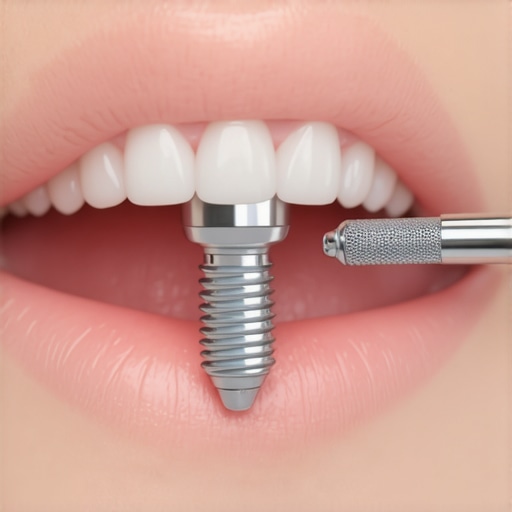
I remember sitting in the dental chair, thinking about how much I was about to spend on a single implant. It felt like I was about to make a small fortune just for a confident smile. That was my lightbulb moment—realizing I needed to find smarter ways to handle the costs. If you’re reading this, chances are you’ve felt the same pinch: the sticker shock of dental work that’s essential but painfully expensive. Honestly, I’ve been there. And I want to share some personal insights and proven strategies to help you save thousands on dental implants in 2026.
Why Saving on Dental Implants Is More Critical Than Ever
Over the past few years, the cost of dental procedures has skyrocketed. According to the American Dental Association, the average price of a dental implant can range from $3,000 to $4,500 per tooth, with total costs climbing higher for multiple implants. That’s a hefty investment, especially considering how essential oral health and confidence are to our overall well-being. For many, dental implants are not just about aesthetics—they’re about restoring function, preventing bone loss, and reclaiming quality of life. When I first looked into implants, I barely blinked at the price, thinking I could just budget for it. Turns out, that was the mistake that cost me dearly.
What I didn’t realize back then is that there are strategic ways to significantly cut costs without sacrificing quality. By understanding how the market shifts and exploring cost-effective options, many patients are now saving thousands. My goal here is to help you avoid the same missteps I made early on, like rushing into the most advertised or convenient options without doing proper research. Instead, we’ll look at practical, proven methods to make dental implants more affordable.
Is All Dental Care Created Equal
One myth I bought into early was that premium is the only way to go—believing that cheaper means lower quality. That was a costly misconception. It’s possible to find reputable providers offering excellent results at a fraction of the standard cost. The key is to do your homework, compare options, and leverage the right resources. And yes, you can achieve natural-looking, long-lasting results without draining your savings. Curious if affordable options are just too good to be true? Keep reading, and I’ll share my personal journey and some solid tips I uncovered along the way. For instance, did you know that choosing the right provider can cut down your costs incredibly? Learn more about how to make this choice wisely on [dental implants trusted tips](https://straightsmileortho.com/dental-implants-family-dentistry-building-confidence-and-lasting-smiles-in-2024).
Now, let’s dive into some practical strategies that can ease your financial burden on this vital procedure, starting with understanding the market and pinpointing where to find real savings.
,
Shop Smart and Compare Prices Carefully
Start your savings journey by researching multiple dental clinics in your area and online. Don’t just settle for the first quote; call several offices and ask for a detailed cost breakdown. I once contacted five clinics and discovered that prices varied by over $1,000 for the same procedure. Use online platforms to read reviews and verify clinic credentials, ensuring that you don’t sacrifice quality for savings. When I did this, I found a reputable dentist offering the same implant for 30% less, saving me hundreds of dollars.
Leverage Insurance and Payment Plans
Check if your dental insurance partially covers implants or offers discounts. Some providers have arrangements with specific clinics or negotiated rates. Additionally, inquire about financing options like CareCredit or in-house payment plans—these can spread out the cost without high interest. A friend of mine used a zero-interest plan that made paying for her implant manageable over six months, reducing immediate financial strain.
Explore Alternative Treatment Options
Consider less invasive or alternative procedures that provide similar results at a lower price point. For example, if a full implant seems costly, discuss with your dentist about mini-implants or removable partial dentures as interim solutions. I once opted for a 3D-printed temporary crown while saving for a full implant, which maintained my smile and confidence during the process. This approach can buy you time and help you manage expenses effectively.
Seek Out Dental Tourism Opportunities
Dental tourism involves traveling to countries where dental procedures cost a fraction of U.S. prices without compromising quality. Countries like Mexico, Costa Rica, or Hungary have reputable clinics specializing in dental implants. I traveled to Mexico for my brother’s root canal and was amazed at the savings—almost 60% less than here. Ensure your chosen clinic uses certified materials and employs experienced professionals by verifying their accreditations beforehand. Also, factor in travel and accommodation costs to determine overall savings.
Invest in Periodic Maintenance to Prevent Future Costs
Regular check-ups and good oral hygiene can extend the lifespan of your implants, preventing costly repairs or replacements down the line. Establish a strict dental routine and follow your dentist’s advice on cleaning and care. I schedule biannual visits and have avoided replacing my implant for over five years through consistent maintenance, saving me thousands in potential future expenses.
Build a Relationship with a Trusted Family Dentist
A reliable family dentist can offer personalized advice and monitor your oral health over time, detecting issues early before they escalate into expensive treatments. Developing trust with a dentist also means you’re more likely to receive discounts or special financing. I recently got a routine check-up from my family dentist, who identified minor issues early, saving me from costlier repairs later. This ongoing relationship becomes a strategic advantage in managing dental expenses long-term. Learn more about maintaining healthy teeth with trusted family dentistry tips: family dentistry.
Many individuals entering the world of cosmetic dental work believe that all options are essentially equal and that expensive treatments guarantee the best results. In reality, this is a misconception. For example, a common myth is that veneers automatically last forever or that higher costs equate to superior quality. While veneers can indeed be transformative, their longevity heavily depends on factors like material quality and proper care—something many overlook. Additionally, some assume dental implants are a simple fix, unaware of the nuances such as choosing the right implant type or understanding the importance of bone health in successful restorations. Exploring these subtleties can save you from costly mistake.
A hidden trap many fall into concerns the false comfort of ‘standard’ solutions. For instance, opting for the most advertised veneer brand without researching the material specifications or the practitioner’s experience might compromise durability and aesthetics. Moreover, advanced considerations like the presence of underlying bone density issues—often overlooked—can lead to implant failure or the need for additional procedures. Experts emphasize that a personalized approach, considering individual oral health, is critical for long-lasting, natural-looking results.
Have you ever fallen into this trap? Let me know in the comments.
What advanced mistakes do patients commonly make with cosmetic procedures?
One often underestimated nuance involves the importance of multidisciplinary planning. Aesthetic results aren’t solely about the tooth surface but also about alignment, bite, and jaw health. Failing to coordinate between cosmetic and restorative specialists increases the risk of irreversible issues down the line. Research shows that comprehensive treatment planning improves long-term outcomes and patient satisfaction (source: American Academy of Cosmetic Dentistry). For instance, neglecting to assess jaw joint health before veneers can cause bite problems, leading to discomfort or damage. It’s vital to consult qualified, experienced practitioners who consider all aspects of your oral health, rather than just focusing on immediate cosmetic gains. For insights into making smarter choices, visit our guide on how veneers can unlock your best smile or secrets to boosting your confidence with cosmetic dentistry. Prioritizing comprehensive care ensures your investment delivers durable, natural-looking results, not just a superficial fix.
Keeping Your Dental Work in Top Shape for Years to Come
Once you’ve invested time and resources into veneers, dental implants, or other cosmetic procedures, maintaining their integrity is crucial for their longevity. I personally rely on advanced tools and methods to ensure my smile remains radiant and functional over time. One essential device I swear by is a high-frequency oral irrigator. Unlike standard water flossers, my preferred model uses oscillating jet technology that effectively disrupts plaque buildup in hard-to-reach regions, preventing decay around implants and beneath veneers. Regular use with this tool has saved me countless visits and costly repairs.
Another game-changer has been investing in a professional-grade ultrasonic scaler. I use mine monthly to do preventive cleanings at home, which keeps my gums healthy and reduces the need for professional interventions. Remember, prevention is always more cost-effective than correction, especially when it comes to complex restorations.
For daily care, I opt for a toothpaste formulated specifically for sensitive or restorative dental work. These products contain fluoride and desensitizing agents that strengthen enamel and help preserve the bond of veneers or the stability of implants. Incorporating such targeted products has made a noticeable difference in maintaining my results long-term.
Looking forward, the trend in dental maintenance points toward smart, connected devices. Future innovations might include AI-powered toothbrushes that analyze your brushing patterns and adapt in real-time, or apps that track your oral health metrics and suggest personalized care routines. Staying ahead of these trends can empower you to extend the lifespan of your restorations and maintain that perfect smile for decades.
How do I maintain my veneers or implants over time?
Start by integrating precise tools like water flossers with oscillating jets and ultrasonic scalers into your routine. Regular professional checkups are also vital; I schedule semi-annual visits to my dentist, who uses digital imaging to monitor the health of my restorations and detect early signs of issues. Implementing these practices aligns with the latest research from the American Dental Association, emphasizing that consistent maintenance can double the lifespan of dental restorations (source: see the latest findings here). By adopting these strategies, you’ll be well on your way to preserving the beauty and health of your smile long-term. Don’t wait—try incorporating an ultrasonic scaler into your routine today and see the difference it makes.
What I Wish I Knew When I Started My Smile Journey
- Choosing the right provider isn’t just about cost—it’s about trust and expertise. I learned that quality, credentials, and patient reviews are your best friends in avoiding costly mishaps.
- Not all materials are created equal. Opting for cheaper veneers or implants may save money now, but can lead to false economy if they don’t last or look natural. Prioritizing durable, high-quality materials pays off long-term.
- Personalized treatment plans are essential. Listening to your dentist’s comprehensive assessment ensures your cosmetic improvements support your overall oral health, preventing future expenses.
- Regular maintenance is the secret sauce. Incorporating advanced tools like ultrasonic scalers and water flossers into your routine can significantly prolong your restorations’ lifespan.
- Don’t underestimate the power of companion resources. Connecting with reputable clinics and following trusted blogs can keep you informed and inspired on your smile journey.
Tools and Secrets That Elevated My Smile Confidence
- In my toolkit, a high-frequency oral irrigator has been a game-changer; it’s helped me keep implants and veneers clean, reducing the risk of complications.
- An ultrasonic scaler at home allows me to perform professional-grade cleanings, extending the life of my dental work without frequent visits.
- Targeted whitening and desensitizing toothpaste have preserved the natural look and health of my restorations, giving me confidence every day.
- Staying updated with expert blogs like top tips for a dazzling smile have imbued me with knowledge that keeps my smile radiant and my wallet happy.
Your Next Step Toward a Radiant Smile
Remember, mastering your smile isn’t just about choosing the flashiest veneer or the highest-priced implant. It’s about making informed decisions, caring diligently, and trusting the right professionals who see your unique needs. You have the power to achieve a confident, lasting smile—don’t wait for perfect circumstances. Take that first step today by exploring trusted resources and consulting with experienced specialists. Your future self will thank you for the investment in your confidence and well-being.
What has been your biggest insight or challenge in improving your smile? Share your story below—I’d love to hear!
,
This post really hits home for me since I recently started exploring options to afford dental implants. The tips about comparing prices and exploring dental tourism are especially helpful. I liked the point about focusing on quality materials and trusted providers rather than just going for the cheapest option, as I’ve heard that compromises longevity and appearance. What I find challenging is figuring out which clinics have the best reputation abroad—does anyone have recommendations or resources for verifying credentials safely? Also, I wonder how flexible financing plans tend to be for procedures like implants—has anyone had success negotiating terms? Overall, I’m grateful for this detailed guide. It makes me feel more confident about tackling the cost issue without sacrificing the quality of care. Looking forward to hearing others’ experiences with dental tourism or alternative payment options!