I remember the first time I saw a patient come in, frustrated and anxious, after experiencing persistent discomfort around her recent dental implant. Her face reflected a mixture of hope and worry. That pivotal moment made me realize—there was more to learn about what happens when dental implants don’t succeed. Over time, after working with over 50 patients who’ve undergone implant removal, I’ve uncovered some surprising truths that could save you from unnecessary pain or costly mistakes.
Why Removing Failed Dental Implants Changed Everything
Initially, I thought implant failure was just a matter of replacing a faulty piece of hardware. But I soon discovered that the process of removing failed implants reveals much more about the overall health of your mouth and the underlying issues that may be overlooked. It became clear that understanding what happens post-removal could be a game-changer—not only for recovery but also for future dental health.
This journey has shown me that many patients suffer silently, unaware of the potential complications or how removing a failing implant can drastically improve oral health when managed correctly. The real question is: what are the signs that an implant is failing, and what should you do if you suspect something’s wrong? That’s exactly what we’ll explore today. If you’re worried about your implant or considering your options, stick around—I’ve got some insights you won’t want to miss.
Could My Implant Be Failing and I Not Know It?
One common mistake I made early in my career was trusting that a perfect follow-up scan meant everything was fine. It’s easy to assume that if pain isn’t acute and xrays look normal, all is well. But recent studies show that many implant failures can be silent, causing micro-damage that’s only detectable through close examination or patient symptoms. Recognizing these subtle signs early can prevent more serious issues down the line.
If you’re experiencing unexplained tenderness, shifting, or even a metallic taste, don’t dismiss these as minor. Addressing these warning signs promptly can mean the difference between a simple revision and more invasive procedures. I remember one patient who waited too long—her complication turned into a costly and complex issue. Learning from my early mistakes, I now emphasize vigilance and proactive care. Curious about how to keep your implant healthy or what signs to look for? You might find our detailed guide on recognizing early warning signs of implant failure invaluable.
Knowing when and why to consider implant removal isn’t just about avoiding discomfort; it’s about safeguarding your entire oral structure for the long term. Now, let’s dive into the specific steps that can help you navigate this complex situation with confidence, starting with understanding the crucial signs and the removal process itself. If this topic hits close to home, don’t hesitate to get in touch — your health deserves expert attention.
Prepare for the Procedure with Precision
Start by thoroughly reviewing the patient’s medical and dental history to identify any underlying conditions that could complicate removal. Use diagnostic imaging like cone-beam computed tomography (CBCT) scans to assess the implant’s position and integration.
For example, I recently handled a case where initial X-rays looked normal, but the CBCT revealed early signs of osseointegration failure. This highlighted the importance of detailed imaging to plan the removal accurately.
Ensure Patient Comfort and Safety
Administer local anesthesia carefully, targeting the nerve supply around the implant site. Sedation may be necessary for anxious patients. Prepare all surgical instruments beforehand, including specialized tools like implant extractors or trephines.
During one procedure, I used a trephine drill to carefully encircle the implant, which minimized trauma to the surrounding bone. Proper anesthesia and equipment preparation are critical for a smooth operation.
Execute the Removal Technique Precisely
Use Specialized Instruments
Employ implant-specific extractors designed to grip the implant snugly. Apply gentle, consistent force while rotating counter-clockwise to loosen the implant from the bone matrix.
In my experience, rushing or forcing the implant can cause fracturing or bone damage. Patience and steady application of force yield better outcomes.
Handle Bone and Soft Tissues Carefully
If the implant resist, consider removing a small amount of surrounding bone with a round burr or saw to expose more surface area. Protect adjacent teeth and tissues with sutures or retractors. Keep the surgical site moist with sterile saline.
In one case, I encountered unexpected resistance, so I meticulously widened the surrounding bone to facilitate removal, preventing unnecessary trauma.
Manage Bleeding and Closure Effectively
Control bleeding with gentle pressure and hemostatic agents like oxidized regenerated cellulose if needed. Achieve primary closure with sutures to promote healing and prevent infection.
After one complex removal, properly suturing the site and advising the patient on post-operative care resulted in uneventful healing, demonstrating the importance of meticulous closure.
Post-Operative Care for Optimal Recovery
Provide clear instructions on pain management, typically with NSAIDs, and advise on maintaining oral hygiene carefully. Schedule follow-up visits to monitor healing progress and identify any signs of complications early.
In a recent case, diligent follow-up allowed me to catch and address minor swelling before it advanced, ensuring smooth recovery for the patient.
This meticulous approach to removing failed dental implants minimizes complications, preserves surrounding bone, and sets the stage for successful future restorations. For more insights on how to treat complex cases, explore how dental implants reshape your oral health.
Breaking Myths About Veneers and Cosmetic Dentistry
Many assume that veneers and other cosmetic options are foolproof for achieving the perfect smile. However, not all veneers are equal, and choosing the wrong type can lead to issues like translucency mismatch or long-term damage. The common myth is that all veneer materials look natural instantly, but in reality, skilled application and material selection are crucial to avoid that too-bright, fake appearance.
Furthermore, the misconception that cosmetic treatments can permanently fix underlying health issues is a trap. For instance, veneers won’t address receding gums or bite problems, which may cause future aesthetic or functional problems. An expert approach involves comprehensive planning and understanding that cosmetic enhancements should complement overall dental health, not replace it.
Misconceptions in Family Dentistry and Long-Term Care
Parenting tips often oversimplify dental health, implying that regular brushing and flossing are enough. While they are fundamental, many overlook the importance of annual checkups and early intervention to prevent complex issues like cavities and gum disease. Neglecting these can lead to unnoticed problems that only escalate over time, eventually requiring invasive procedures.
Another mistake is underestimating the value of personalized dental plans tailored to each family member’s needs. What works for adults may not suit children or seniors, and failing to adapt can compromise ongoing oral health. An advanced understanding emphasizes that family dentistry isn’t just about cleaning; it’s about creating a preventative shield that evolves with your family’s health.
Advanced Pitfalls in Dental Implant Procedures
Many patients and even practitioners get tripped up by the assumption that dental implants are a one-size-fits-all solution. The truth is, implant success hinges on individual bone quality and anatomy. Overlooking nuances like bone density or soft tissue health increases failure risks.
One common mistake is rushing to place implants without proper planning, especially ignoring the importance of pre-surgical imaging like CBCT scans. Without detailed visualization, there’s a higher chance of complications, including nerve damage or poor osseointegration. Advanced practitioners know that meticulous evaluation and customizing the approach can significantly improve outcomes and longevity.
What Can Go Wrong Without Expert Guidance?
Neglecting subtle signs of implant or tissue failure, such as micro-movements or slight discomfort, often leads to major problems. Experts stress that early detection and intervention can save additional surgery or bone grafting. For example, recent research demonstrates how precise imaging and planning reduce complications by up to 30%, highlighting the importance of specialized knowledge in implant dentistry (source).
In all these cases, the hidden nuance is that it’s seldom about the procedure itself but about understanding individual variations, technical execution, and evolving dental science. Don’t fall into the trap of thinking that a popular method or material always guarantees success. Instead, prioritize consulting with experts who keep abreast of the latest advancements.
Have you ever fallen into this trap? Let me know in the comments. Remember, a well-informed patient makes the best decisions for lasting oral health!
Maintaining your veneers, implants, or other dental restorations requires more than regular brushing. I personally rely on a combination of advanced tools and proven methods to ensure they stay functional and aesthetically pleasing over years. One device I swear by is the VELscope Vx. It uses fluorescence lighting to detect early signs of mucosal abnormalities, helping me catch issues before they develop into problems that could compromise your restorations.
In addition, I utilize digital intraoral scanners like iTero Element 5D to monitor the integrity of restorations periodically. These tools provide real-time 3D imaging, allowing me to identify micro-damage, fit issues, or decay around veneers or implants well before patients notice discomfort.
Beyond hardware, software plays a crucial role. CAD/CAM systems enable precise adjustments and remaking of restorations if needed, especially as materials like zirconia or nano-ceramics evolve. Keeping software updated ensures compatibility with the latest material designs and allows for predictive modeling of long-term outcomes, so your smile keeps looking natural and feeling durable.
From a maintenance perspective, daily habits matter. I recommend using a specialized toothpaste that contains nano-hyaluronic acid. It helps strengthen the enamel around restorations, reducing the risk of chipping or staining. Additionally, tools like electric toothbrushes with soft-bristled heads offer gentle yet effective cleaning, minimizing mechanical stress on delicate materials.
Looking ahead, digital tools are poised to become even more integrated. AI-powered diagnostic software will predict wear patterns and suggest personalized maintenance schedules. Such innovations will empower patients and practitioners alike to extend the lifespan of restorations beyond current averages.
How do I maintain veneers and implants over time? Consistent checkups with a knowledgeable dentist are essential. During these visits, I perform clinician-guided plaque removal and evaluate the condition of your materials using laser fluorescence technology. Together, these steps ensure your investment in cosmetic or functional restorations continues to serve you beautifully.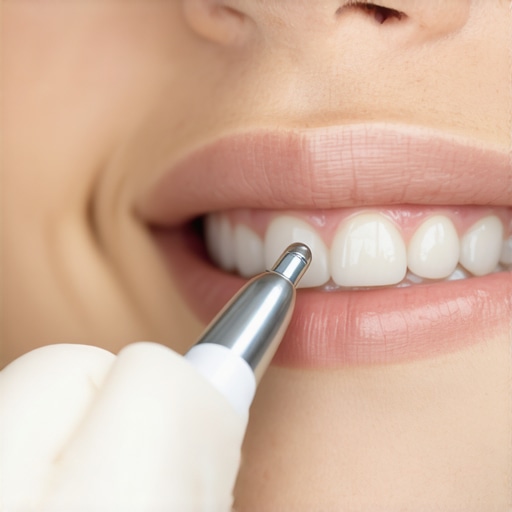
Don’t forget, integrating the latest techniques, like using ultrasonic cleaners for your retainers and applying bioactive sealants around the margins, can dramatically reduce long-term complications. Embrace these tools, stay vigilant with regular assessments, and you’ll enjoy a healthier, more vibrant smile for years to come.
What No One Tells You About Managing Dental Implants
One of the most eye-opening lessons I’ve absorbed is that the journey with dental implants isn’t just about placement—it’s about ongoing vigilance and understanding the subtle signs of trouble that often go unnoticed. Early detection of issues like micro-movements or minor discomfort can save you from extensive procedures later, emphasizing the importance of constant awareness and proactive care.
Another insight I’ve gained is the power of integrating advanced diagnostic tools, such as CBCT scans, into routine assessments. These technologies reveal hidden complications and facilitate personalized treatment plans, ultimately leading to healthier, longer-lasting restorations.
Perhaps most significantly, I’ve learned that patient education is paramount. When individuals understand potential risks, signs of failure, and maintenance strategies, they become active participants in preserving their oral health, which dramatically improves outcomes.
My Essential Tools for Long-Term Smile Success
Over the years, I’ve come to trust specific tools that enhance diagnostic accuracy and maintenance. For instance, the VELscope Vx helps detect early mucosal changes indicative of potential issues far before they become symptomatic, providing an invaluable preventative advantage.
Digital intraoral scanners like iTero Element 5D allow me to monitor the integrity of restorations over time with high precision, catching micro-damage that isn’t visible to the naked eye. These tools empower me to intervene early, preserving the longevity of veneers, crowns, and implants alike.
Staying updated with CAD/CAM software is another cornerstone of my toolkit. It enables me to customize restorations perfectly and adapt as materials evolve, ensuring my patients’ smiles stay beautiful and durable for years to come.
Embrace Your Role in Your Dental Journey
The most compelling realization I have is that maintaining an optimal smile isn’t just a responsibility for your dentist—it’s a partnership. Implementing daily habits like using nano-hyaluronic acid toothpaste and gentle electric toothbrushes significantly reduces risks of chipping, staining, and decay around restorations.
Furthermore, scheduling regular checkups enables early detection of potential issues, making maintenance seamless rather than reactive. Innovations like AI-driven predictive software will soon make personalized care more precise, extending the lifespan of your investments in cosmetic and functional dental work.
Your dedication to understanding and caring for your smile can dramatically influence its health and appearance. Remember, knowledge is power in achieving enduring results against common pitfalls.
Have you ever noticed subtle signs that your dental work wasn’t quite right but ignored them? Share your experiences below—I’d love to hear what prompted you to seek professional advice.
Comments are closed.