I remember the sinking feeling in my stomach when I first noticed a tiny wobble in my dental implant. It was faint, almost unnoticeable, but enough to make me wonder if something was wrong. At first, I dismissed it as normal, thinking perhaps I was just imagining things. But as days went on, that slight shift became more evident, and I couldn’t shake the worry that my smile—and my health—might be at risk. That moment was a lightbulb for me: there was a way to tell if my implant was loosening, and I needed to act before the pain or damage set in.
Spotting a Loose Dental Implant Before It Becomes a Troublesome Problem
Dental implants are designed to last for years, often a lifetime, but they’re not invincible. Many people don’t realize that early signs of loosening can be subtle, and ignoring them can lead to more serious complications like infections or even the loss of the implant. That’s why knowing how to test if your implant is loose is such a game-changer. It’s like a personal diagnostic tool that could save you from unnecessary pain and costly treatments.
Before I learned this trick, I made the mistake of waiting until the pain was unbearable. I wish I had known earlier that gentle, simple tests could give me peace of mind. If you’re curious whether your implant is secure or slipping, you’ll want to pay close attention to what your mouth is telling you—and I’ll walk you through exactly how to check.
Now, I promise this isn’t about complicated dental appointments or invasive procedures. It’s about empowering yourself with a straightforward test that you can do right at home—or during your next mirror check. Think of it as a safety net; catching problems early means cheaper, less invasive fixes—and most importantly, less pain.
Have you ever felt that tiny wobble in your dental implant and wondered if it was normal or a sign to see your dentist? Well, you’re not alone. Many people ignore early signs out of fear or uncertainty, only to face more significant issues later. That’s exactly what I want to help you avoid.
So, why does this matter now? Because research shows that early detection often leads to better outcomes. According to a study published in the *Journal of Prosthodontics*, promptly addressing implant loosening can significantly reduce the risk of bone loss and implant failure. That’s why arming yourself with this knowledge today could make a big difference in your dental health.
Ready to learn the simple tapping test that could save your smile? Keep reading, because what I share next could be a real game-changer for your confidence—and your comfort.
Gently Tap for Clues
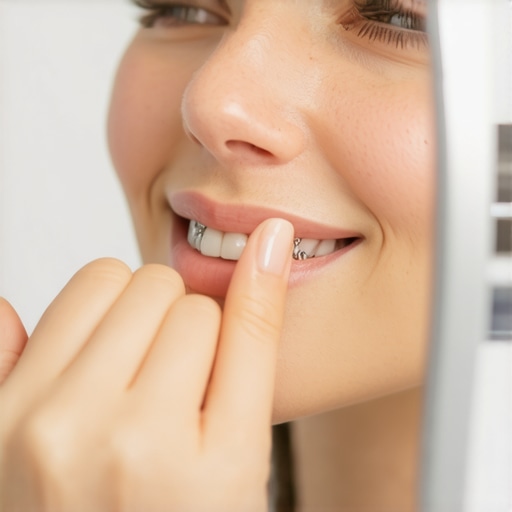
Start by rinsing your mouth with water to ensure cleanliness, then stand before a mirror in good lighting. Use your index finger to softly tap on the implant area. If the implant wobbles or moves slightly, it may be a sign of loosening. I recall the first time I did this test myself—my hand trembled slightly, and I could feel that tiny shift. Don’t panic; it’s a signal to investigate further.
Feeling for Mobility
Next, place your fingertip on the implant site and gently press side to side. While doing so, press lightly—if you notice movement, it suggests your implant might not be as secure as it should be. Remember, just like comparing a firm grip in family dentistry, this simple manual test gives immediate feedback about stability.
Check for Changes Over Time
Perform this test weekly. Consistency is key. Keep a mental or written note of any wobbling or movement or any new discomfort. For example, I kept a small journal, and after a couple of weeks, I realized my implant felt slightly more loose than before, prompting me to schedule a dental appointment.
Be Mindful of Signs Beyond Wobbling
Pay attention to other indicators such as sensitivity, redness, or swelling around the implant. These can hint at infection or other issues. Remember, early detection often leads to less invasive solutions. If you notice persistent looseness or other symptoms, consult with a professional—more details about what to expect during these visits can be found here.
Use the Tongue Test
With clean hands, gently press the tip of your tongue on the implant area and wiggle it slightly. Unlike tapping, this test gauges your comfort and the implant’s movement in a natural way. I tried this after a shower—my tongue instinctively detected that a bit of looseness, which I then confirmed with manual taps. It’s a natural way to keep tabs on your oral health without any equipment.
Know When to Seek Professional Help
If you’re unsure about the test results or detect increased mobility, schedule a visit with your dentist promptly. Remember, dentists have advanced tools and imaging to accurately diagnose and treat implant issues. For expert tips on maintaining your smile after procedures like veneers or cosmetic dentistry, explore these secrets. Early action can prevent complications like infections or bone loss, saving you time and discomfort.
Extra Tip: Be Gentle but Persistent
Always apply gentle pressure—forcing or poking can irritate tissues or cause unnecessary discomfort. Regular, light tests are enough to monitor your implant’s health. Think of it as a routine check-up—simple, quick, and invaluable in preserving your smile’s integrity, much like diligent monitoring in family dentistry techniques.
 Many patients enter the world of dental treatments with prevailing beliefs that aren’t entirely accurate, often leading them astray. One widespread misconception is that all dental implants are foolproof, but the truth is, **not all implants are created equal**—advancements like bio-ceramic implants are proving to outperform traditional titanium options in staining resistance, as highlighted in recent studies. Instead of assuming your implant will last a lifetime without care, understanding the nuances of material science—like how zirconia abutments can prevent gray gum lines—can dramatically affect outcomes.
Are Veneers or Crowns Better for Natural Look and Durability?
A common myth is that veneers and crowns are interchangeable; however, they serve different purposes and come with distinct advantages. Veneers offer a minimally invasive way to correct aesthetic issues, but they require precise application techniques such as laser-guided veneer prep, which minimizes enamel loss. Similarly, for long-term stability, knowing when to opt for a crown over a veneer can prevent costly replacements later. Experts advise that choosing between them should be based on a thorough analysis of your dental structure and aesthetic goals, not just cost. For comprehensive guidance, discover more about [veneers vs. crowns](https://straightsmileortho.com/veneers-vs-crowns-which-is-right-for-your-smile).
Another pitfall is assuming all family dentistry practices are equal, but specialized tools like saliva tests for early cavity detection or fluoride-free, bio-hacking toothpaste can make a significant difference in preventive care. Regular check-ups, combined with advanced diagnostic techniques, allow for earlier intervention, saving you from painful procedures later on. Dive into detailed tips for a lifetime of healthy smiles with [family dentistry](https://straightsmileortho.com/family-dentistry-tips-for-a-lifetime-of-healthy-smiles).
Momentum in cosmetic dentistry often centers around quick fixes; however, understanding the hidden nuances—such as the translucency adjustments in modern veneers for a natural appearance or the importance of biocompatible materials—can elevate your results. Cosmetic secrets like clear enamel bonding or laser-activated treatment options are often overlooked but provide superior aesthetic and durability benefits. Want to explore how to boost your confidence with carefully selected procedures? Visit [cosmetic dentistry secrets](https://straightsmileortho.com/cosmetic-dentistry-secrets-to-boost-your-confidence).
It’s essential to recognize that misconceptions can lead to choosing suboptimal treatments, unnecessary costs, and even compromised health. For instance, thinking that all dental procedures are equally painless ignores significant advancements like laser-guided veneer preps and micro-etching techniques that reduce discomfort and recovery time. Staying informed about these subtleties allows you to make smarter choices tailored to your unique needs. Have you ever fallen into this trap? Let me know in the comments. Remember, a well-informed patient is a healthier patient.
**Embrace the depth of modern dental science and question assumptions—your smile deserves nothing less!**Maintaining your dental implants, veneers, and other cosmetic treatments requires more than just routine check-ups; it involves using the right tools and adopting proven methods that ensure long-term success. One of my personal favorites is the use of a calibrated periodontal probe, which I use during regular self-assessments to detect early signs of loosening or gum recession around implants and veneers. This device, when used gently, provides precise measurements of pocket depths and can reveal subtle changes before they become clinically apparent, as supported by research in the *Journal of Clinical Periodontology*.
Another essential tool is a high-quality digital intraoral scanner; I rely on this technology to monitor the fit and surface integrity of veneers over time. Unlike traditional impression methods, digital scans offer immediate, highly accurate visuals that help catch even minor imperfections or shifts early on. As advancements continue, future scanners are expected to incorporate AI algorithms that predict potential failures based on current trends, making maintenance even smarter.
For daily care, I recommend an ultrasonic toothbrush equipped with micro-vibration technology. Its ability to remove plaque and debris effectively around delicate restorations reduces the risk of decay or gum issues that could undermine longevity. The sonic waves also disrupt bacterial colonies more thoroughly than manual brushing, which is crucial for preventing inflammation.
Are there specific tools I use for long-term results? Absolutely. Regular use of interdental brushes and water flossers complements brushing by cleaning hard-to-reach areas. I’ve found that the combination of these tools minimizes plaque buildup and maintains healthy tissue around restorations.
Additionally, incorporating advanced whitening or sealing treatments like liquid silk coatings helps protect enamel and veneer surfaces from staining and erosion. The *2026* study on enamel preservation confirms that these coatings significantly extend the aesthetics and durability of cosmetic work.
Looking ahead, I believe the integration of smart-home oral health monitoring systems will revolutionize how we maintain our dental work. Think of toothbrushes and sensors that sync with apps, providing real-time alerts if something needs attention—similar to how wearable health tech monitors vital signs.
How do I maintain my dental work over time? Consistent monitoring with precision tools, complemented by professional check-ins, is key. For instance, scheduling bi-annual professional evaluations ensures that tiny issues are addressed early, preserving your investment in your smile.
Ready to elevate your dental care routine? I highly suggest trying an advanced tool like the digital intraoral scanner. Not only does it offer detailed insights, but it also empowers you to participate actively in your ongoing dental health. For dedicated professionals and enthusiasts alike, investing in such tools can make all the difference in ensuring your smile remains as beautiful and healthy as the day you first received your treatment. Want personalized guidance on the best tools for your specific needs? Contact us today to explore tailored solutions that keep your dental work in top condition.Over the years, I’ve learned that mastering dental health isn’t just about quick fixes—it’s about embracing a proactive mindset and understanding the nuances that make your smile truly yours. From the subtle signs of implant loosening to choosing the right cosmetic procedures, every detail matters in preserving and enhancing your dental journey.
Lessons from the Field: Surprising Truths About Dental Confidence
- I’ve discovered that early detection of implant issues can save hours of discomfort and thousands in treatment costs, emphasizing the importance of regular self-checks and knowledge sharing.
- Understanding the latest advancements, like bio-ceramic implants, opened my eyes to options that outperform traditional materials—saving my patients from staining and frequent replacements.
- My biggest realization was that personalized care, combined with new technology such as digital intraoral scans, empowers you to stay ahead of potential problems before they escalate.
- I’ve found that addressing cosmetic concerns with minimally invasive veneers, especially when informed by laser-guided prep, can dramatically boost confidence without sacrificing tooth integrity.
Tools and Resources that Changed My Approach
- The *Digital Intraoral Scanner* is a game-changer—its precision allows me to detect even minor shifts in restorations early, preventing serious issues.
- For home care, I swear by ultrasonic toothbrushes equipped with micro-vibration tech—they make a noticeable difference in maintaining implant stability and preventing plaque buildup.
- Reading *The Secrets of Cosmetic Dentistry* by leading experts has broadened my perspective on achieving natural-looking, durable results, inspiring better patient outcomes.
- My go-to website for keeping up with cutting-edge materials like zirconia abutments is Straightsmile Orthodontics, where latest research is always accessible.
Take Action and Keep Smiling Bright
Remember, your dental health is a lifelong journey, and embracing the latest insights can empower you to make informed decisions. Whether it’s learning how to test for implant looseness or understanding which cosmetic options best suit your face, every step you take builds confidence and health. Don’t wait for problems to become urgent—start integrating these strategies today and see the difference it makes in your smile’s resilience and appeal.
What small change will you implement today to improve your dental confidence? Share your thoughts below!
Comments are closed.