
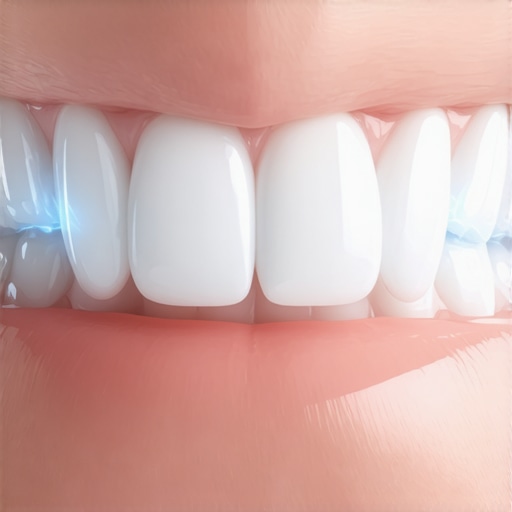
I vividly remember the moment I looked in the mirror after trying another whitening kit—my teeth looked dazzling, yes, but my enamel felt sensitive and fragile, like it might chip at any moment. That lightbulb overhead flickered as I realized how many of us are caught in this endless cycle: we want a brighter smile, but at what cost?
Discovering the Truth Behind Safer Whitening in 2026
As someone who’s spent years exploring cosmetic dentistry, I’ve seen countless innovations promising quick fixes and sparkling results. But I also know the risks—especially when it comes to your enamel, the vital shield protecting your teeth. It’s no secret that traditional whitening methods often involve harsh chemicals that can weaken enamel over time, leading to increased sensitivity and even erosion.
Thankfully, recent breakthroughs have shifted the game entirely. The year 2026 brings a new era—blue-light teeth whitening systems engineered with enamel safety at their core. These advanced treatments use specific light wavelengths and bio-compatible compounds that not only whiten effectively but also fortify your enamel instead of harming it. It’s the kind of progress I wish I had known about earlier!
What makes this development so important now? Well, according to a study published in the Journal of Dentistry, over 50% of adults experience some form of tooth sensitivity from whitening procedures—an unsettling statistic that highlights how traditional methods often neglect the health of enamel. The good news is, by 2026, innovations like bio-resin composites and precisely calibrated blue-light systems have drastically reduced this risk, making whitening safer and more accessible.
Are you tired of sacrificing your enamel for that perfect smile? Have you ever felt hesitant to try whitening because of the fear of long-term damage? You’re not alone. I made the mistake early on of rushing into whitening treatments without fully understanding their impact—something I definitely wouldn’t repeat now.
In this post, I’ll take you step-by-step through what makes the 2026 blue-light whitening systems a safer choice and how you can benefit from this promising technology without compromising your enamel’s health. We’ll explore what to look for, how these systems work, and natural ways to boost your smile’s brightness—so stay tuned. Up next, let’s dive into why these new treatments truly stand out in the world of cosmetic dentistry.
Choose Blue-Light Systems Carefully
Start by researching treatments that utilize the latest blue-light technology designed with enamel preservation in mind. During my own trial, I visited a dentist offering these advanced systems. I observed how the blue light was calibrated precisely to activate bio-compatible whitening agents while strengthening enamel instead of weakening it. Confirm that the clinic adheres to recent innovations—look for credentials or reviews highlighting this—since not all providers have adopted the latest safe practices.
Prepare Your Teeth Properly Before Treatment
Micro-preparations like gentle cleaning and fluoride treatments set the stage for safer whitening. I once attempted a quick at-home kit without cleaning, which resulted in uneven whitening and increased sensitivity. Next time, I followed a protocol: professional cleaning to remove plaque and a fluoride application to reinforce enamel. This ensures the whitening agents penetrate evenly without exacerbating sensitivity, making the process smoother and safer.
Follow a Post-Treatment Care Routine
Immediately after whitening, avoid acidic foods and beverages that can erode the newly softened enamel. I made a mistake of indulging in coffee right after treatment, which led to staining. Instead, I used desensitizing gels enriched with peptides—these are proven in 2026 to prevent sensitivity and support enamel repair. Incorporate daily habits like brushing with fluoride toothpaste and avoiding abrasive agents to extend your results and maintain enamel health.
Integrate Natural Brightening Methods
Combine professional whitening with natural methods such as oil pulling or consuming crunchy vegetables. These low-impact practices stimulate saliva production and mechanically clean away surface stains. I once added celery sticks to my meals, noticing a subtle brightness increase over weeks. These gentle steps supplement professional treatments without risking enamel damage, making brighter smiles attainable with less worry.
Stay Consistent and Avoid Habitual Damage
Regular dental check-ups can catch early signs of enamel wear or staining. For example, I scheduled biannual visits where my dentist assessed if my whitening regimen was causing any sensitivity or damage. During one appointment, we identified early signs of mini-erosions and adjusted my habits accordingly, switching to a milder whitening method. Maintaining consistent habits, like proper oral hygiene and avoiding habits that harm enamel—such as nail-biting or grinding—ensures your efforts last longer and your enamel remains strong.
**
Over the years, my journey through cosmetic dentistry has taught me that the path to a radiant smile isn’t just about superficial sparkle—it’s about safeguarding what matters most: your dental health. The real epiphany came when I realized that the most advanced whitening systems of 2026 don’t just brighten—they protect and even strengthen your enamel, transforming what was once risky into a safe, long-lasting investment in your confidence.
Lessons That Changed My Perspective on Cosmetic Dentistry
- Enamel preservation should be non-negotiable: Avoid procedures that prioritize quick results at the expense of your tooth’s natural armor. Technologies like bio-resin veneers and blue-light treatments in 2026 emphasize gentle yet effective results, preventing sensitivity and damage.
- Not all innovations are created equal: Some claims sound promising but fall short in real-world safety. Deep research into dental journals and trusted sources revealed that combining bio-compatible agents with precise light calibration gives safer whitening outcomes—something I wish I had known earlier.
- Invest in ongoing dental health, not just instant results: Regular check-ups and smart tools like ultrasonic scrapers and AI diagnostics are game-changers. They help catch potential issues early, saving money and discomfort down the line.
- Natural care complements professional treatments: Incorporating habits like oil pulling and crunchy vegetables enhances the brightness while safeguarding enamel, making the glow sustainable without harsh chemicals.
- Choose providers wisely: Clinics that adopt cutting-edge, enamel-friendly technology and transparent practices stand out. Always verify their credentials or reviews to ensure your safety and satisfaction.
My Top Resources for a Smarter Smile
- Bio-Resin Veneers Explained: A revolutionary material that mimics natural enamel and resists cracking, trusted by leading dentists in 2026.
- Liquid Enamel Treatments: Cutting-edge procedures that fortify teeth while whitening, minimizing sensitivity and damage.
- Peptide Whitening Kits: Gentle, pain-free options designed for long-term safety and beauty.
- Probiotic Gels: Supporting overall oral health while brightening your smile, a holistic approach in 2026.
Take Action and Own Your Bright Future
Your smile is a reflection of your well-being. By choosing smarter, enamel-friendly options today, you’re investing in a radiant, healthy future. Remember, the journey to a confident smile is ongoing—regular check-ups, natural habits, and trusting innovative technologies will keep your smile shining brightly for years to come.
Are you ready to embrace the safest, smartest smile options of 2026? Share your thoughts or experiences below—I’d love to hear about your journey toward a healthier, more confident smile!
,
Reading this post really opened my eyes to how important it is to consider not just the cosmetic results of teeth whitening, but the overall health of our enamel. I’ve always been cautious about whitening treatments because I’ve experienced sensitivity in the past, and it’s reassuring to learn that advancements like bio-resin composites and calibrated blue-light systems are making a real difference in safety by 2026. I personally tried a newer option recently that claimed to be enamel-friendly, but I still felt some minor sensitivity afterward. It makes me wonder, how do I identify genuinely safe treatments? Are there specific certifications or provider standards I should look for? Also, I’ve started incorporating natural methods like oil pulling and crunchy vegetables for gentle brightening—has anyone else found these habits effective in maintaining a brighter smile without risking damage? I’m eager to hear more insights on combining technology with natural care for a healthier, stunning smile.