
I remember the first time I got veneers. I was so excited about having that perfect Hollywood smile, only to be disappointed when I started noticing that the edges of my veneers felt rough and uneven. It was a frustrating realization—something I never expected from a procedure I thought was supposed to be flawless. That moment made me dig deep into how to maintain that natural look, especially as dental technology advances toward 2026. If you’ve ever felt that nagging doubt about your veneers’ edges, you’re not alone. And today, I want to share the insights I’ve gathered on how to smooth out those rough veneer edges effectively, ensuring your smile stays natural and stunning.
The Tangle of Rough Veneer Edges and Why It Drives Us Crazy
Rough veneer edges might seem like a minor detail, but they can significantly affect your confidence and the overall look of your smile. They often catch on floss or food, making your daily routine feel more like a chore than a pleasure. Plus, uneven edges can lead to gum irritation or even decay if not addressed properly. When I first noticed my veneers felt gritty or uneven, I thought it was just part of the process. But after some research and a few dentist visits, I realized this is a common issue that can be corrected with a few simple steps—yes, even in 2026, when technology promises near-perfect results.
Understanding the root cause is essential. Sometimes, rough edges occur because of improper fitting or early wear and tear. Other times, it’s a matter of the veneer material or bonding process used during placement. If left unattended, these rough edges can become problematic, leading to discomfort or a less natural appearance. Luckily, with the right techniques, you can fix this issue without needing a complete redo, helping your veneers blend seamlessly with your natural teeth.
Are You Wary of Overdoing It? My Early Mistake
One mistake I made early on was trying to fix the rough edges myself with normal dental tools, thinking I could save a trip to the dentist. Turns out, that was a bad idea. I only made the problem worse, risking damage to the veneer or the underlying tooth. Trust me, professional guidance is crucial to maintaining the integrity of your veneers. Properly smoothing or re-shaping veneer edges requires precision and the right tools, which only a professional can provide. For trusted tips and the latest techniques, I recommend checking out [this article on fixing veneer regret](https://straightsmileortho.com/veneer-regret-4-steps-to-fix-a-bad-smile-design-in-2026), which walks through proven methods for veneer maintenance and correction.
Start with a Professional Inspection
Schedule an appointment with your dentist to assess the rough veneer edges accurately. Think of this as a mechanic diagnosing an uneven tire tread before fixing it—it ensures you’re targeting the precise problem. During the exam, ask your dentist to identify whether the edges are due to improper bonding, wear, or material issues.
Choose the Right Smoothing Technique
Polishing for Minor Roughness
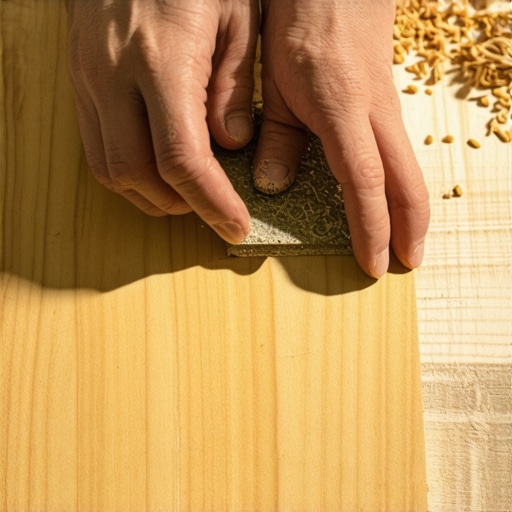
If the roughness is minimal, your dentist might opt for polishing with fine-grit burs or discs. This process is akin to using fine sandpaper on a wooden surface to smooth out minor splinters. It restores a sleek edge without removing too much material. I once watched my dentist carefully polish my veneer edges, resulting in a seamless transition that felt natural.
Re-Bonding for Significant Edges
In cases where edges are uneven due to bonding errors, re-bonding might be necessary. This involves removing a thin layer of the veneer edge, cleaning the surface, and applying a new, thin composite layer to refine the shape. Imagine reapplying a thin coat of paint to fix a rough patch—precise and effective.
Utilize Specialized Tools and Materials
High-precision diamond burs and bio-compatible composite resins are essential. These tools act like precision blades in culinary knives—allowing detailed shaping without damaging the veneer. Always trust your dentist to use quality tools; attempting DIY fixes with household items risks damage and decay. To understand the latest repair options, check out these expert-approved veneer repair strategies.
Refine Shape and Contours Carefully
Using fine polishing tips, the dentist will carefully contour the edges, mimicking natural enamel. It’s crucial to avoid over-shaping, which can compromise the veneer’s bond or appearance. Think of sculpting clay—you want smooth, natural curves that blend seamlessly with surrounding teeth. Micro-movements and constant checks during this phase ensure optimal results.
Finish with a Quality Polish
After shaping, a final polish with a polishing paste and brush will bring out the luster and smoothness. The goal is a glossy finish that reflects light just like natural enamel. When I had my veneers polished, I noticed how much more natural and comfortable they felt immediately afterward—proof that meticulous finishing makes a difference.
Prevent Future Roughness
To keep veneer edges smooth over time, practice diligent oral hygiene, avoid biting hard objects, and schedule regular dental checkups. Regular cleanings act like routine maintenance on a car—keeping everything functioning beautifully. Remember, DIY attempts can cause more harm than good, so always consult your dentist for maintenance. Discover more about cosmetic dentistry secrets to boost your confidence.
Many assume that all cosmetic dental procedures, like veneers and dental implants, are straightforward fixes that deliver instant perfection. However, the reality is far more nuanced, and common misconceptions can lead to costly mistakes or dissatisfaction. One widespread myth is that veneers are a quick, risk-free solution to all cosmetic concerns. While veneers can dramatically improve your smile, they require meticulous planning and understanding of their limitations. Rushing into a veneer procedure without expert consultation can result in mismatched shades, unnatural shapes, or even veneers that feel bulky or feel fake—issues that often stem from not appreciating the complexity of color matching and contouring techniques involved in 2026. For an in-depth look at how veneers can be tailored to look and feel natural, check out this guide on veneer transformations. Sometimes, people overlook the importance of of modern equipment like smart scanners or 3D modeling, which are game-changers in achieving precise, natural results today.
Why do some dental implants fail even with advanced technology
Many believe that selecting high-quality materials guarantees success. Yet, advanced failure can occur due to overlooked factors such as bone quality, patient health, or improper placement techniques. For example, recent studies highlight how micro-movements during healing or undetected bone density issues can compromise implant stability, even when using breakthrough materials like bio-glass or ceramic implants. This is why comprehensive pre-surgical assessment—like 3D bone mapping—is crucial to prevent implant failure. As emphasized in this recent expert analysis, understanding the biological environment and utilizing precise diagnostic tools are key to long-term success.
Family dentistry often gets simplified as just routine cleaning, but many overlook its critical role in preventing complex issues. Regular visits are not only about cavity checks but also about early detection of gum disease, bite problems, or even early signs of systemic conditions like diabetes. Using newer AI scans and bio-resonance devices, modern family practices can identify risks before symptoms emerge—saving you discomfort and expense later. To discover innovative tools your family dentist might be using, see this article on cutting-edge family dentistry advancements. It’s a misconception that cosmetic solutions like veneers and implants are incompatible with preventive care; instead, they thrive when integrated with comprehensive family health strategies.
Finally, understanding the difference between veneers and crowns is often misunderstood. Many think they are interchangeable, but in truth, veneers are primarily cosmetic enhancements, preserving more natural tooth structure, while crowns provide robustness for more extensive damage. Choosing the right option depends on precise assessment—something experienced cosmetic dentists carefully evaluate. For example, recent comparison studies show that in cases of minor misalignments or discoloration, veneers are preferable, but crowns are better suited for structural restoration. Learn more about this decision-making process at this detailed comparison. Remember, opting for the wrong type can lead to unnecessary repairs or aesthetic compromises, so professional guidance is essential. Have you ever fallen into this trap? Let me know in the comments.
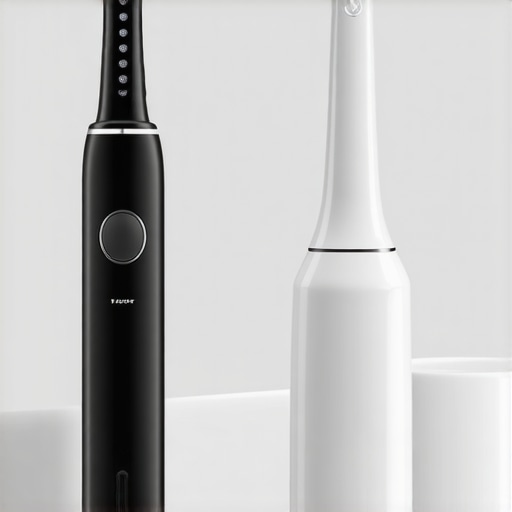
Achieving a beautiful smile is just the beginning; maintaining it over time requires the right tools and techniques. In my experience, investing in precise equipment and following scientifically backed methods ensures your cosmetic dental work lasts and continues to impress. One essential tool I personally rely on is a high-frequency sonic toothbrush with adjustable pressure settings. This device effectively removes plaque without damaging veneers or implants, which can be a concern with overly aggressive brushing. By using a sonic toothbrush, I ensure my oral hygiene routine is gentle yet thorough, helping to preserve the integrity of my restorations.
Another game-changer in my routine is a water flosser equipped with pressure control. Regular flossing is critical, but traditional floss can sometimes be cumbersome or inadequate around veneers and dental implants. A water flosser delivers a targeted, pulsating stream that dislodges debris from hard-to-reach areas, preventing plaque buildup and gum irritation. I prefer models with customizable pressure settings, so I can adjust the flow to be gentle on sensitive areas while still cleaning effectively. This approach is particularly valuable for long-term maintenance, as it minimizes the risk of gum recession or peri-implantitis, issues that can compromise your smile over years.
How do I maintain my cosmetic work over time?
Consistent checkups with your dentist are vital. During these visits, modern diagnostic tools, such as 3D imaging and bio-mechanical assessments, help identify early signs of wear or complications. I recommend scheduling professional cleanings using ultrasonic scalers that utilize environmentally friendly, bio-compatible solutions. These devices break down stubborn plaque without harsh chemicals, ensuring your restorations remain pristine. Additionally, incorporating cutting-edge software like digital smile mapping allows your dentist to simulate and plan future restorations or touch-ups, extending the timeline before invasive procedures become necessary.
Looking ahead, I believe advancements in scanner technology and bio-resin materials will make long-term maintenance even more straightforward. The integration of AI-driven diagnostic tools will detect subtle issues before they become visible or painful, allowing preemptive care. For instance, AI-powered bio-scans can monitor the integrity of veneers and implants at every appointment, much like the innovative bio-resins I’ve discussed in recent articles, which resist cracking better and bond more securely over time (see the latest in bio-resin innovations). My top tip is to adopt this proactive mindset by incorporating a bio-resin sealant into your routine for additional protection against micro-damage.
In summary, using specialized tools like sonic toothbrushes and water flossers, combined with regular professional assessments and future-focused tech solutions, will keep your smile flawless for years. Don’t forget to discuss these options with your dentist, who can guide you toward the best products for your unique needs. Ready to upgrade your maintenance routine? Start by trying a water flosser with adjustable pressure settings — your gums and restorations will thank you!
What I Wish I’d Known Before Finalizing My Veneers
One of the most valuable lessons I learned was the importance of patience and trusting the professionals over DIY fixes. Attempting to smooth rough veneer edges at home only risked damaging the material or causing long-term issues. It became clear that expert-guided smoothing, using advanced tools, is essential for natural aesthetics and durability. Additionally, understanding that technology in 2026 offers near-perfect fitting options reassured me that my smile could be both beautiful and functional if I follow the right maintenance steps.
Elevate Your Smile Care with These Precise Tools
My go-to equipment now includes a sonic toothbrush designed for sensitive restorations and a water flosser with adjustable pressure. These tools keep my veneer edges smooth and my gums healthy—something I hadn’t appreciated enough early on. Combining these with regular professional checkups utilizing cutting-edge diagnostics like 3D imaging has transformed my approach to oral health. For the best results, I rely on trusted brands and techniques, like those discussed in this article on cosmetic dentistry secrets.
Embracing the Future of Smile Maintenance
Looking ahead, I believe the integration of AI and bio-resin innovations will revolutionize how we preserve and enhance our smiles. Imagine smart sensors alerting you to early signs of veneer wear or decay—preventative care at its finest. Staying informed about these advancements encourages proactive habits that extend the lifespan and natural look of your dental work. Just like I did, you can incorporate these tech-forward solutions into your routine, ensuring your smile remains as stunning and natural as possible for years to come. So, are you ready to upgrade your maintenance game and embrace the future of your smile care? Share your thoughts or experiences below, especially if you’ve started using any new tech in dental health.