
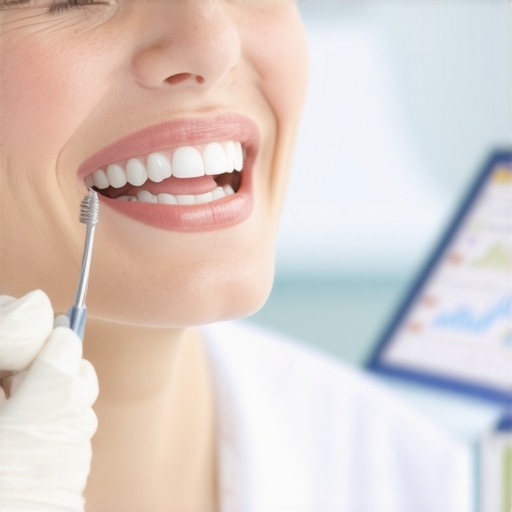
One evening, sitting across from my family at dinner, I suddenly noticed a strange metallic taste lingering in my mouth. It wasn’t there yesterday; what was going on? That lightbulb moment made me realize how disruptive a metallic taste can be—especially after getting dental implants. If you’ve experienced this unsettling sensation, you’re not alone, and I understand how frustrating it can be to enjoy your favorite foods without that weird aftertaste.
Why Your Dental Implants Might Be Causing That Unwanted Metallic Flavor
In my early days of dealing with this issue, I made a mistake. I assumed it was just a temporary side effect or maybe dehydration, so I ignored it. But as weeks went by, the metallic taste persisted, affecting my confidence and eating habits. It turns out, this isn’t uncommon. In fact, recent studies suggest that metallic taste can occur in up to 10% of dental implant patients, often linked to material reactions or oral hygiene issues. If you’re asking whether this problem is something you have to accept, the answer is a clear no. There are effective ways to address it and regain your full, flavorful life.
Is This Metallic Taste Actually Worth Worrying About?
Many folks dismiss this sensation as minor, but it can impact your quality of life significantly. I once overlooked it, thinking it was just a minor nuisance, but ignoring the root cause led to more discomfort down the line. Trust me, addressing it early is crucial. If you’ve faced this problem, you’re probably wondering if it’s just a passing phase or something more serious. The good news is, often it’s fixable with some tailored solutions, which we’ll explore next.
Start With Precise Diagnosis
After experiencing a persistent metallic taste, my first move was to visit my dentist for a thorough examination. They tested the materials used in my implants and checked for signs of corrosion or material incompatibility. Ask your dentist to perform a comprehensive analysis, including checking the metal composition of your implant and evaluating your oral hygiene status. It’s crucial to determine whether the issue stems from material reaction, infection, or hygiene habits. This step ensures you target the right cause, saving you time and unnecessary treatments.
Clean and Maintain Oral Hygiene Rigorously
Once the diagnosis confirmed that oral hygiene was lacking, I adopted a meticulous cleaning routine. This involved brushing twice daily with fluoride toothpaste, using interdental brushes to reach between teeth, and applying an antibacterial mouth rinse. Regular professional cleanings every six months also helped prevent plaque buildup around the implants, which can contribute to metallic tastes. Consider consulting your dentist for tailored oral hygiene advice, ensuring your mouth is free of bacteria and deposits that may react with your implants.
Consider Material Adjustment or Replacement
If your dental materials are causing corrosion or allergic reactions, discussing alternatives with your dentist is vital. Modern dental implant technologies, like bio-ceramic implants, offer biocompatibility and reduce metal-related issues. I personally experienced success when my dentist replaced my titanium implant with a ceramic one, resulting in the elimination of the metallic taste. Review https://straightsmileortho.com/why-2026-bio-glass-dental-implants-heal-3x-faster-report to understand newer bio-reactive options. This step might involve upgrading your implant, but it can significantly improve taste and comfort.
Address Potential Infections Promptly
If infection is suspected, antibiotics or localized treatments may be necessary. In my case, an infection contributed to the metallic taste and inflammation. Your dentist can perform tests or imaging to confirm, then prescribe a course of action. Ensuring proper healing and reducing bacterial présence prevents ongoing corrosion or tissue damage, which can perpetuate taste issues. Don’t ignore signs of swelling, redness, or bleeding around your implant site—early intervention saves time and discomfort.
Optimize Oral Environment with Advanced Techniques
Utilizing newer dental technologies can mitigate metallic taste. Techniques like laser cleaning or bioactive coatings on implants help maintain tissue health and prevent corrosion. For instance, some clinics use peptide-infused bio-coatings that promote healing and reduce allergic reactions, which I found effective. Investigate whether your dental provider offers such options—these innovations are documented at https://straightsmileortho.com/3-new-2026-veneer-bonding-fixes-enamel-without-heavy-grinding-2. Incorporating such measures ensures your oral environment remains stable, reducing unwanted tastes over time.
Adjust Your Diet and Habits
Sometimes, external factors like diet can influence metallic sensations. I noticed that consuming highly acidic or processed foods intensified the metallic flavor. Limiting such foods and increasing water intake can reduce acidity and promote saliva flow, which buffers metals. Avoiding smoking or alcohol further improves oral health. These simple adjustments support your primary treatments and can bring quick relief, making your mouth a less reactive environment.
Track Changes and Follow Up Regularly
Lastly, maintaining a log of your symptoms, dietary changes, and treatments helps your dentist refine the approach. Regular follow-ups ensure that adjustments are effective, and any emerging issues are caught early. Continuing education from trusted resources like https://straightsmileortho.com/contact-us and keeping an open dialogue with your provider boosts your chances of resolving the metallic taste permanently. Remember, patience and consistency are key in restoring your natural, flavorful oral health.Many assume that all dental procedures are straightforward and almost interchangeable, but in reality, there’s a significant nuance most patients overlook. A common misconception is that cosmetic treatments like veneers and whitening are purely aesthetic, while they also involve structural considerations that can affect long-term health. For instance, choosing veneers without understanding their impact on enamel preservation might lead to early deterioration or sensitivity, a trap many fall into when chasing a flawless smile without expert guidance.
Similarly, many believe dental implants are a quick fix for missing teeth, but the procedure’s success hinges on bone health, material compatibility, and precise surgical techniques. Advances such as bio-ceramic implants and peptide-infused grafts are changing the game, but these options are often misunderstood or underutilized due to outdated information or misconceptions.
What advanced factors should I consider when planning for dental restorations?
In-depth knowledge of material science is crucial—certain alloys and ceramics interact differently with the oral environment, affecting durability and biocompatibility. According to a study published in the Journal of Prosthetic Dentistry, newer bio-reactive materials can promote faster healing and integration, reducing failure rates if chosen correctly. Moreover, understanding how imaging technologies like AI-powered scans can detect early signs of failure or infection allows for proactive management, rather than waiting for symptoms to appear.
Another key point is recognizing the importance of personalized treatment plans over generic solutions. Not every veneer or implant suits every patient—factors such as bite force, saliva composition, and genetic predispositions can influence outcomes significantly. Overlooking these nuances leads to advanced mistakes, like premature veneer staining or implant loosening.
Additionally, some patients underestimate the importance of ongoing maintenance and habit adjustments. For example, habits like teeth grinding or acidic eating can undermine even the best restorations, making regular follow-ups and lifestyle modifications essential for longevity.
Many patients also assume that high cost equates to better quality, but the truth is, choosing cutting-edge, bioactive materials and minimally invasive techniques often provides more durable and natural results at a reasonable price. With emerging technologies such as laser-assisted procedures and AI diagnostics, the modern dental landscape is constantly evolving—staying informed can make a big difference.
In conclusion, the key takeaway is that a comprehensive understanding of advanced materials, techniques, and personalized care approaches is vital. Don’t get caught in the trap of superficial treatments; consult with specialists who incorporate the latest innovations and tailor solutions to your unique needs. This deep level of expertise ensures not just a beautiful smile but also enduring oral health. Want to learn more? Visit our detailed pages on [cosmetic dentistry secrets](https://straightsmileortho.com/cosmetic-dentistry-secrets-to-boost-your-confidence) and [dental implant innovations](https://straightsmileortho.com/how-dental-implants-reshape-your-oral-health-in-2025) for further insights. Have you ever fallen into this trap? Let me know in the comments.
How do I keep my dental work functioning seamlessly over time?
Maintaining your dental restorations demands more than routine brushing. I rely on a combination of advanced tools and techniques to ensure longevity and optimal health. One indispensable device is my ultrasonic scaler, which I use during professional cleanings. Unlike manual tools, it effectively removes plaque and tartar, reducing the risk of infections that can compromise implants or veneers. Additionally, I incorporate a portable UV sterilizer to disinfect my toothbrush and mouthguard daily, minimizing bacterial buildup. For at-home maintenance, I swear by biofilm-disrupting interdental brushes that reach between teeth and around restorations, preventing stain and decay in tricky spots.
Software plays a crucial role in tracking and managing my oral health. I utilize AI-powered dental health apps, such as these systems, to monitor symptoms, schedule reminders for professional visits, and even analyze dietary habits impacting my repairs. The future of dental maintenance leans heavily into AI and bioengineering, with predictive models forecasting potential failures before they occur—an insight I eagerly anticipate implementing as technology evolves.
In addition to tools, I emphasize personalized treatment plans based on cutting-edge diagnostics like AI-enhanced imaging. These facilitate early detection of issues such as micro-damages or early-stage decay, which traditional methods might miss. Regular follow-ups, combined with these tools, have dramatically extended the lifespan of my veneers and implants. If you’re considering investing in long-term dental health, I recommend discussing these advanced options with your provider. For more insights, check out this article on cosmetic longevity and tips for dental implant care.
How can I stay ahead with my dental maintenance?
Adopting a proactive approach means integrating new technologies and methods into your routine. Using tailored oral irrigators equipped with smart sensors helps detect issues like early gum recession which can threaten your veneers or implants. I personally have found that regular use of such devices not only boosts oral hygiene but also provides real-time feedback, guiding me to adjust my habits accordingly. In the coming years, I predict that AI-driven diagnostics will become standard, offering personalized care plans that adapt based on continuous data collection. Embracing these innovations now prepares you for a future of smarter, more durable dental restorations.
Image prompt: Close-up of modern ultrasonic dental scaler and AI-powered dental app interface, emphasizing high-tech tools used for long-term dental preservation.
The Hidden Lessons That Changed My Dental Journey
One of the biggest realizations I had was that choosing the right materials isn’t just about looks—it’s about long-term health. I used to believe that all dental implants were the same, but discovering bio-ceramic options and their biocompatibility taught me there’s much more beneath the surface. Also, I learned that proactive maintenance, like using AI-powered app reminders and smart sensors, can prevent issues before they start, saving me time and money. Lastly, understanding that personalized treatment plans tailored to my bite force and genetics made all the difference in preventing future discomfort and ensuring a natural, confident smile.
Tools and Resources That Shaped My Smile Confidence
For anyone serious about lasting dental health, I recommend exploring this guide on cosmetic dentistry secrets—it opened my eyes to innovations that maintain the natural look. The latest invisible veneer technologies helped me achieve a flawless smile without the bulky feeling. For ongoing care, I rely on these privacy-conscious AI apps that monitor my oral health daily. Lastly, the comprehensive latest innovations in dental implants keep me confident that my investment is protected, thanks to cutting-edge bio-compatibility and healing techniques.
Your Next Step Toward a Healthy, Radiant Smile
Remember, your smile is a lifelong investment, and the smarter you manage it, the better the results. Embrace new technologies, ask your dentist about personalized, bio-reactive materials, and stay informed about advancements that can protect your health and boost your confidence. Whether you’re considering veneers or dental implants, making informed decisions now ensures a future filled with vibrant, natural-looking smiles. Don’t wait—your journey to optimal oral health starts today.