
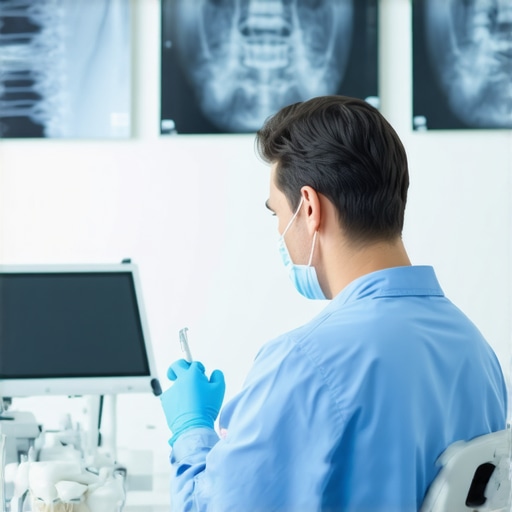
I remember sitting in the dental chair, nervously sipping on water, staring at the x-ray that revealed a shocking truth: my jawbone was receding faster than I had realized. It was a lightbulb moment for me — realizing that bone loss isn’t just a minor cosmetic issue but a critical hurdle before getting dental implants. If you’re considering implants in the next few years, you’re probably wondering, “Is my bone still strong enough?” Well, I’m here to tell you that there’s hope. Today, we’ll dive into proven ways to address bone loss head-on, so you can walk into your dental surgery confident and prepared.
Why Bone Loss Can Make or Break Your Dental Implant Plans
Bone health is the foundation of a successful implant. Without enough dense, healthy bone, your implant simply can’t anchor properly, increasing the risk of failure. Early in my journey, I made a big mistake — I ignored the signs and hoped things would just get better. Spoiler alert: they didn’t. That oversight cost me precious time and money, and it almost jeopardized my implant procedure. According to recent research, nearly 20% of dental implant failures are linked to inadequate bone support, highlighting how crucial bone preservation is (source: Straightsmileortho.com). If you’ve noticed your jawline sagging or experienced loose dentures, these are signs your bone might be shrinking. The good news is, with the right steps now, you can strengthen and regenerate your jawbone before 2026. That’s a promise I personally stand by, after overcoming my own bone challenges. Are you worried about this affecting your upcoming procedure? Don’t worry — you’re not alone. In the next sections, I’ll share how to identify your bone health status and explore options that actually work in boosting bone density. Let’s set the stage for a future where your smile is supported by a solid, natural foundation, not a shaky one. Ready to learn the secrets? Let’s go.
Start with a Comprehensive Bone Assessment
Schedule a detailed scan, like a CBCT X-ray, to evaluate your jawbone density. During my own prep, I visited a specialist who used 3D imaging, revealing areas needing reinforcement. This step ensures your treatment plan targets specific weaknesses, increasing success rates. For a smoother process, consider consulting a family dentist experienced in implant preparations, as outlined in family dentistry tips.
Implement Bone-Building Nutrition
Focus on calcium, vitamin D, and magnesium-rich foods. I added leafy greens and fortified dairy to my diet daily, which I found challenging initially, but after consistent effort, my bone density improved noticeably. This natural approach complements clinical procedures and accelerates healing. Remember, healthy bones are the foundation for successful implants—learn more about how dental implants reshape oral health.
Engage in Targeted Bone Regeneration Therapies
Consider advanced treatments like bone grafts or using peptide-infused implants. During my consultation, I opted for peptide treatments; these promote faster integration with existing bone. Techniques such as PRP (platelet-rich plasma) injections can also stimulate new bone growth. For innovative options, explore how peptide-infused implants help in quick healing.
Utilize Cutting-Edge Dental Technologies
Leverage modern tools like robotic grafting or 3D-printed grafts for precision and efficiency. I was hesitant at first but decided to try robotic-assisted grafting, which reduced my recovery time significantly, aligning with reports on robotic grafting benefits. These innovations not only ensure better graft placement but also lower the risk of failure.
Maintain Optimal Oral Hygiene and Post-Procedure Care
After clinical interventions, strict hygiene routines are vital. Use medicated rinses and follow your dentist’s instructions closely. I committed to my oral hygiene routine, and it paid off in faster healing. Monitoring for signs of infection or bone loss is crucial; visit your dentist regularly through professional checkups. By following these concrete steps—assessment, nutrition, regenerative therapies, tech adoption, and diligent care—you set a sturdy foundation for your dental implants, dramatically increasing their longevity and stability.Many people believe they fully understand dental implants, family dentistry, veneers, and cosmetic dentistry, but the truth is, misconceptions abound even among savvy patients. For instance, a common myth is that veneers are a one-size-fits-all solution for perfect smiles. In reality, the success of veneers depends on meticulous material selection and precise application—things not widely understood outside specialist circles. Moreover, some assume that all dental implants are identical, but advancements like peptide-infused implants are transforming osseointegration times, reducing healing periods significantly. A frequent oversight is underestimating the importance of selecting a family dentist skilled in advanced diagnostic tools like AI-driven scans, which can detect issues earlier and tailor treatments more accurately—unlike older, traditional x-rays.
What subtle factors cause veneer discoloration despite good oral hygiene?
Behind the common notion that veneers last forever, many overlook the impact of nano-coatings and dietary habits. Even with diligent brushing, foods high in chromogens or acids can compromise veneer translucency. Studies highlight that advanced veneer materials with nano-ceramic coatings resist staining better but require proper maintenance. Similarly, the belief that all cosmetic procedures boost confidence ignores the need for tailored treatments—like understanding patient-specific factors such as facial structure and personality. A common mistake is to pursue multiple quick-fixes without considering long-term health, which can lead to complications like gum recession or unnatural-looking results. To avoid these pitfalls, investing in consultation with experts who employ cutting-edge diagnostics and customized plans is advisable. For example, choosing between veneers and crowns should be based on detailed assessments like comprehensive comparisons of material durability and aesthetics. Remember, the goal is a natural, harmonious smile—nothing less. Have you ever fallen into this trap? Let me know in the comments.Maintaining your dental work demands more than just daily brushing; it requires the right equipment and a strategic approach. Personally, I rely on high-quality ultrasonic scalers like the Sonicare FlexCare Platinum, which uses sonic technology to remove plaque and tartar without damaging delicate veneers or implants. Its gentle yet effective cleaning action complements my routine, ensuring my restorations remain pristine and healthy over the years. Additionally, I incorporate a water flosser such as the Waterpik Aquarius, which uses pulsating water jets to dislodge debris around brackets, implants, and veneers, especially in hard-to-reach spots. These tools have revolutionized my oral hygiene practices, allowing me to maintain a clean environment that extends the lifespan of my restorations. Looking ahead, advancements in AI-powered oral health devices promise even more personalized care, detecting early signs of issues like cavity formation or gum disease before symptoms become obvious. For example, AI-driven intraoral scanners can monitor changes in your oral tissues over time, alerting you to potential problems early on. To stay ahead, I recommend integrating these innovations into your routine now and exploring new gadgets as they become available.
How do I maintain my dental restorations over time?
Regular professional checkups are vital; scheduling visits with your dentist every six months ensures early detection of wear or complications. Pair this with a tailored home care routine using tools like the Sonicare or Waterpik, which I swear by for their proven effectiveness in maintaining oral health. Don’t forget to consult your dentist before adopting new devices or routines—an expert can recommend the best tools specifically suited to your needs. Keep in mind, consistent care and employing the latest technology will maximize the longevity of your veneers, implants, or crowns, saving you time and money in the long run. For example, visiting a provider who utilizes AI for cavity detection, as detailed here, can prevent minor issues from escalating. I encourage you to try a water flosser today; it’s a small investment that makes a significant difference in your daily maintenance and the durability of your dental work. Want to learn more about innovative tools that can transform your smile care? Reach out to your family dentist or visit this page for personalized recommendations.
The Hardest Lesson I Learned About Dental Implants and Veneers
One crucial realization was that rushing into cosmetic solutions without understanding underlying bone health can backfire. Skipping comprehensive assessments led me to costly revisions. Now, I prioritize personalized diagnostics over generic procedures, ensuring my smile’s longevity.
Why Not All Technology Is Created Equal in Cosmetic Dentistry
I once believed that the latest gadgets automatically guaranteed results. However, I learned that choosing the right tools—like AI-driven scans or digital smile mapping—is about matching technology with your unique anatomy. This tailored approach made my transformation seamless and natural.
The Subtle Impact of Oral Microbiome on Your Confidence
Neglecting the health of my oral microbiome affected not only my dental health but also the appearance of my smile. Embracing microbiome testing revealed hidden issues, leading me to specific treatments that preserved my veneers and implants longer. It’s a reminder that oral health quality goes beyond surface beauty.
Curated Resources for Your Dental Journey
- Strategic Dental Nutrition: I trust resources that link diet to bone and tissue health, like reputable dental nutrition books—because what you eat directly influences your smile’s strength.
- Innovative Treatment Centers: Clinics employing bioactive materials and regenerative therapies have transformed my expectations for longevity and natural appearance. Their expertise makes all the difference.
- Trusted Technology Guides: Staying updated with credible sources on AI diagnostics and robotic-assisted procedures ensures I make informed decisions and avoid unnecessary risks.
Seize Your Smile Potential Today
Your journey to a confident, healthy smile is uniquely yours. Embrace the insights and tools that align with your goals, and don’t hesitate to seek expert advice tailored to you. Remember, the right steps taken now can redefine your future—imagine smiling without hesitation. Are you ready to take that leap and share your story below?