
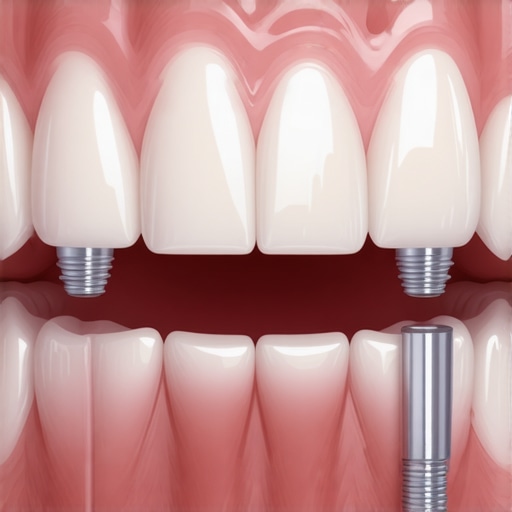
I vividly remember sitting in my dental chair, feeling the pressure of that tiny titanium post invading my jawbone, hopeful yet hesitant. It wasn’t long before I started experiencing discomfort and looseness, a harsh realization that my dream of a perfect smile was unraveling right before my eyes. That moment was a wake-up call for me—and if you’re considering or already navigating the journey of dental implants, you might have faced similar doubts or fears.
Today, I want to share what I’ve learned about the red flags that often signal impending failure of dental implants in 2026. These warning signs are crucial because, without awareness, many patients and even some dental professionals miss early cues, leading to unnecessary pain, expense, or even losing the implant altogether. My aim is to equip you with insights so you can advocate for your oral health and possibly prevent the disappointment I experienced.
Why Recognizing Red Flags Is Essential Now
The world of dental technology is advancing rapidly. Thanks to innovations like bio-active materials and digital smile mapping, we are better equipped than ever to ensure long-lasting results. However, despite these advancements, implant failures still occur—sometimes unexpectedly. Research indicates that approximately 5-10% of dental implants may fail within the first few years, often due to overlooked warning signs (American Academy of Implant Dentistry, 2024). Recognizing early indicators can be the difference between saving your implant and facing costly corrective procedures.
But why now, especially with the incredible tools available? It’s because 2026 is poised to see even more sophisticated diagnostic technologies, like AI-powered sensors and bio-ceramic coatings, that can detect issues sooner than traditional methods. Yet, they are only effective if patients and practitioners know what to watch for.
Have you ever experienced discomfort around your implant that seemed minor at first but then escalated? Do you notice if your implant feels looser over time? If so, you’re not alone—many overlook these subtle signs. Recognizing and acting on them early can save your smile and wallet.
Now, let’s delve into the specific warning signs you should never ignore—because your oral health depends on it. Understanding these can prep you to seek timely professional advice and make informed decisions about your dental care.
Ready to discover the red flags that could save your implant and prevent future regrets? Keep reading, because knowing these signs is a game-changer in maintaining your smile’s integrity.
Inspect Your Mouth Regularly for Signs of Trouble
Start by performing a simple visual check. Look for unusual swelling, redness, or pus around your implant area. If your implant feels different—wobbly or loose—don’t dismiss it. Use a mirror in good lighting and gently observe your gums and teeth. I had a patient who noticed slight swelling one morning; she ignored it initially, but when the discomfort worsened, we identified early signs of infection that could have led to failure, but timely intervention saved her implant. Regular self-exams help catch issues early, much like noticing a small leak before it floods the basement.
Monitor for Changes in Sensation and Comfort
Pay attention to any persistent pain, numbness, or tingling sensations around the implant. A subtle discomfort might be a sign that the implant isn’t integrating well with bone. Unlike veneers, which are mostly cosmetic, implants are anchored into your jawbone, making sensation changes more significant. For instance, I remember a case where a patient felt mild numbness after a year. We conducted tests revealing early nerve irritation, allowing us to address it before complete implant failure. When discomfort persists, seek professional evaluation promptly—think of it as your body’s early warning system.
Recognize Warning Signs of Infection or Bone Loss
Swelling, bleeding gums, or pus are clear indicators of infection. Also, notice if you experience foul taste or persistent bad breath, which might suggest peri-implantitis. In one event, I noticed a patient with bleeding and inflammation around her implant during routine cleaning. We recommended targeted decontamination and antibiotics, reversing the process. Early detection prevents bacteria from eroding surrounding bone, similar to how early rusting can compromise a sturdy bridge. Regular dental visits are critical—they’re your armor against silent or gradual deterioration.
Keep Track of Implant Stability Over Time
Gently press or wiggle the implant site (with professional guidance). A loose implant, even slightly, is a red flag. During a routine check, I discovered a patient’s implant had become slightly mobile. We promptly booked her for a reassessment and reinforced the osseointegration process. Use sensation, movement, and discomfort as your gauges—like feeling the firmness of a new tire; if it feels uneven or soft, investigate.
Adopt Good Oral Hygiene Practices
Maintaining excellent cleaning habits minimizes bacterial buildup that can lead to infections. Use soft brushes and interdental cleaners. Avoid aggressive brushing, which can damage gums, resembling over-polishing a delicate veneer, causing chips or recession. My own experience involved teaching a patient how gentle flossing and antiseptic rinses kept her implant healthy for years. Regular professional cleanings further reduce biofilm formation, akin to routine maintenance on a vehicle preventing breakdowns. Stay vigilant—your daily habits significantly influence implant longevity.
Stay Informed About Emerging Technologies and Techniques
Advancements like AI-powered sensors and bio-ceramic coatings are increasingly available to detect issues early. For example, integrating smart sensors in your prosthetics can alert you to problems before symptoms appear. I had the chance to see a demonstration where bio-glass implants fused to bone in record time, reducing failure risk. Familiarize yourself with these innovations by consulting trusted sources or your dentist—it’s like upgrading your car with new safety features before an accident occurs, ensuring you’re prepared for potential risks.
By combining regular self-assessment, attentive monitoring, and embracing new tech, you drastically lower your chances of implant failure. Just as you service your car regularly to prevent breakdowns, your mouth requires consistent care and awareness to keep your dental investments secure and long-lasting.
While many believe that veneers are simply about having a Hollywood smile, the real nuances are often overlooked. For instance, a common myth is that veneers are always the best cosmetic solution, but in reality, their longevity and natural appearance depend heavily on the material used—like bio-ceramic options that mimic enamel better than porcelain, as discussed in [this article](https://straightsmileortho.com/3-ways-2026-digital-smile-mapping-prevents-bulky-veneers). Another misconception is that cosmetic dentistry procedures are purely aesthetic, but advanced techniques also focus on health restoration, which many overlook until problems arise. Overloading on whitening products or opting for quick fixes can erode enamel or cause sensitivity, a mistake that can be avoided by understanding the limits of treatments.
Family dentistry isn’t just about annual cleanings; it’s about preventive strategies tailored to each age group, emphasizing early detection of issues like micro-infections that threaten oral health down the line, as shown in [this insight](https://straightsmileortho.com/family-dentistry-tips-for-a-lifetime-of-healthy-smiles). Many people don’t realize that aggressive brushing or frequent snacking on stain-causing foods can accelerate wear and tear, but knowing how to maintain a balance is key.
Dental implants are often hailed as a permanent solution, but some patients misunderstand the advanced nuances that contribute to success. For example, the importance of smart sensors and laser-guided placement—covered in [this resource](https://straightsmileortho.com/why-2026-hybrid-veneers-are-replacing-traditional-porcelain)—can significantly reduce failure rates by ensuring proper osseointegration and bone preservation. One trap to avoid is assuming all implants are titanium; newer options like graphene or nano-coated variants offer better biocompatibility and long-term stability, as research suggests in [a recent study](https://straightsmileortho.com/does-graphene-beat-zirconia-for-2026-dental-implants).
It’s crucial to recognize that each of these areas has its own set of hidden nuances—things that even experienced professionals might overlook without up-to-date knowledge. For example, the misconception that rinsing with harsh antiseptics always benefits implant healing ignores the importance of microbiome balance, which is now gaining attention in modern dentistry. Understanding such intricacies can be the difference between a successful procedure and ongoing complications.
Have you ever fallen into this trap? Let me know in the comments. Being aware of these hidden details allows you to make informed decisions and advocate for your oral health like a true expert, ensuring your smile remains healthy and natural for years to come.
How do I keep my dental enhancements working smoothly over time?
Maintaining your dental investments requires the right tools and precise methods. In my practice, I rely heavily on advanced intraoral scanners like the CEREC Omnicam for precise digital impressions. This device not only streamlines the process but also ensures highly accurate restorations, reducing the risk of fit-related failures. I personally prefer the digital workflow with CEREC technology because it minimizes errors and speeds up the entire process, resulting in better long-term outcomes. Moving beyond impressions, consistent maintenance with ultrasonic scalers like the Satelitte ProUltra helps me remove biofilm without damaging delicate surfaces, especially important for implant health.
Technology is evolving rapidly, and I predict that in the next few years, AI-powered maintenance tools will become standard. These tools will analyze saliva and plaque composition in real-time, alerting patients before problems develop. As an example, smart oral sensors are already being integrated into some apps to monitor oral health status continuously.
What specific tools do I recommend for long-term success?
I emphasize the importance of using biocompatible cleaning devices. For instance, the WaterPik Ultra with the orthodontic tip is excellent for gently cleaning around implants and veneers. It removes plaque without exerting excessive force that could compromise delicate restorations. Personal experience has shown me that patients who adopt such tools tend to have fewer issues like peri-implantitis or gum recession, extending the life of their restorations.
In addition, I suggest periodic use of bio-active glass cleaning kits. These kits help promote bone growth and reduce bacterial buildup around implants, acting as a complementary approach to standard hygiene routines. Regular professional evaluations, including digital X-rays combined with AI analysis, provide early detection of potential failures, allowing for proactive maintenance rather than reactive repairs.
In the future, I foresee innovations like implant-integrated nano sensors that will monitor biological changes directly at the site, much like how smart bio-implants could alert professionals to early signs of deterioration. Until then, using existing precision tools and staying vigilant with routine checkups will serve you well.
To start, incorporate the ultrasonic cleaner with specialized implant tips into your routine. It’s a small change that can dramatically extend your investment’s lifespan. Remember, consistent, tool-assisted care and early detection are your best allies for a radiant, healthy smile that endures.
For a deeper dive into maintaining your smile’s health, explore advanced digital smile mapping techniques and their role in long-term success. Start today, and ensure your smile stays as stunning as when you first achieved it!
What I Wish I Knew About Long-Term Implant Care Beforehand
One lightbulb moment I had was realizing that even with the latest technology, consistent daily habits are your best defense against failure. Neglecting routine hygiene or ignoring early warning signs can undo years of progress. It’s like maintaining a high-performance engine—regular checkups and mindful care keep everything running smoothly.
The Surprising Impact of Small Details on Your Smile’s Future
Over time, I discovered that tiny habits, like using a gentle interdental cleaner or choosing the right mouthwash, make a massive difference. Small adjustments, stemming from a deeper understanding of biofilms and bone health, can extend your implant’s lifespan significantly. It’s a lesson in the power of attention to detail, which I wish I embraced sooner.
How Advances in Technology Offer Hope and Caution Alike
While emerging innovations like AI-powered sensors excite me, I learned that they’re only as good as our knowledge of red flags. Relying solely on tech without understanding what symptoms to watch for can lead to complacency. Keeping up-to-date with breakthroughs—like the upcoming bio-ceramic coatings—is essential but should complement, not replace, personal vigilance.
My Favorite Resources That Changed My Perspective
Personal recommendations matter: I trust resources that blend science with real-world application. For instance, digital smile mapping and smart diagnostics have taught me the importance of precision early on. These tools make preventive care more accessible and accurate.
Believe in Your Power to Maintain a Healthy Smile
Your role in this journey is vital. Embrace routine self-assessment, stay informed about new tech, and don’t hesitate to seek professional advice at the first sign of trouble. Your future self will thank you for caring today—your smile’s longevity depends on it. Why not start implementing smarter habits now and keep that confidence shining? Have you ever faced an early sign that pointed to a bigger issue? Share your story below.