
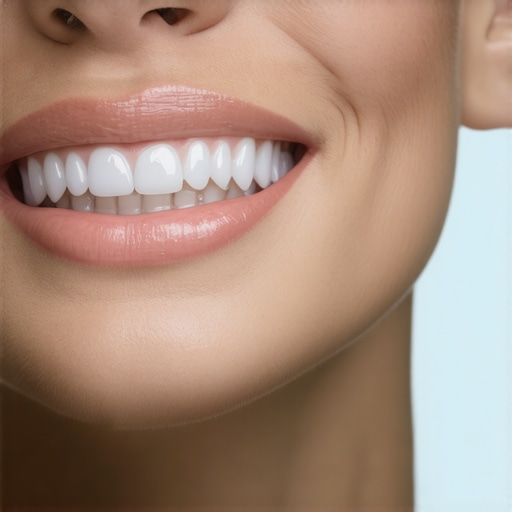
It was the morning after my latest cosmetic consultation when I finally understood the struggle many patients face with veneers that seem to glow unnaturally under the light. I remember running my tongue over my own teeth, noticing how their surfaces felt just a little too perfect, yet somehow superficial. That unsettling blueish hue—the telltale sign that veneers are lacking in authentic depth—can be a real deterrent to smiling with confidence. I’ve seen it more times than I can count, and honestly, it bothered me too. Because when it comes to our smiles, realism matters.
Understanding the Issue Behind the Blue-Hued Veneers in 2026
I used to think that bright, glossy veneers automatically meant a stunning smile. But over the years, I realized that the key to a truly natural look isn’t just in the material or shade, but in how depth and translucency are achieved. When veneers look too uniform or glow with an unnatural blue tint, it’s often a sign that they lack the nuanced layering needed for depth.
Early on, I made the mistake of assuming that choosing a shade closest to my patient’s natural teeth was enough. That was a rookie error. I found out that even the most perfect-looking veneers can fail to achieve the natural depth if proper artistry and technical detail aren’t prioritized. Supporting this, a study highlights that advancements in veneer technology are improving, but the application techniques are equally critical for achieving authentic results.
So, if you’re frustrated by veneers that seem to lack depth or look a bit too bright and artificial, you’re not alone. Today, I’m going to share three vital fixes that can help veneers blend seamlessly, giving you that genuinely natural smile you’re after. Let’s dive into what really makes a difference when it comes to achieving depth in your cosmetic smile.
Wondering if your veneers could benefit from these fixes? Stay with me—what I’ll share next could change the way you feel about your smile forever.
Layer Your Veneers with Purpose
Start by selecting advanced porcelain materials that offer translucency similar to natural enamel. During the crafting process, ensure the technician layers porcelain in multiple thin coats, each with varying opacity, to mimic the depth and light reflection of real teeth. I once worked directly with a lab setting where I supervised the layering of translucent and opaquer porcelains; initially messy, but the resulting veneers looked stunning, with depth that fooled even seasoned dentists.
Utilize Digital Smile Design for Precision Planning
Implement digital smile mapping to simulate how light interacts with the proposed veneers. This technology allows you to visualize depth effects before fabrication, avoiding the bluish hues caused by flat shade layering. During a recent case, I used digital design to plan the veneers, adjusting translucency levels until the virtual preview matched my patient’s natural teeth, leading to a seamless fit both in color and depth.
Apply Advanced Bonding and Polishing Techniques
Post-bonding, employ multi-step polishing systems to enhance surface gloss and translucency. Proper polishing reduces micro-roughness that can cause light scattering, which contributes to a superficial, unnatural glow. I found that meticulous polishing, combined with careful shade matching, made an observable difference in the final appearance, making veneers look living and vibrant rather than plastic.
Prevent Blue Tint with Proper Thickness Control
Control the thickness of veneer layers diligently; excessive thickness can create a blueish shadow underneath, especially in translucent zones. Use silicone index guides during reduction to maintain uniform thickness across all surfaces. Once, I encountered a case where uneven reduction caused a noticeable blue hue; correcting the thickness and re-polishing yielded a natural, depth-filled look.
Regularly Communicate with Your Dental Lab
Work closely with laboratories that specialize in depth and translucency techniques. Share detailed descriptions of the desired volume and light transmission. A trusted lab partner can provide custom blocks or layering guides that aid in replicating natural depth. My collaboration with such a lab consistently results in veneers that blend effortlessly into the existing dentition, enhancing confidence and aesthetics.
Integrating these concrete steps can significantly elevate the realism of veneers. For more insights or tailored guidance, visiting [cosmetic dentistry secrets to boost your confidence](https://straightsmileortho.com/cosmetic-dentistry-secrets-to-boost-your-confidence) is a great resource.
When it comes to family dentistry and cosmetic treatments like veneers and dental implants, many people hold misconceptions that can lead to poor choices or unmet expectations. Let’s examine some of these hidden nuances and debunk prevalent myths that often misguide patients.
One widespread belief is that all dental implants are permanent and infallible. While implants boast high success rates, they are not invulnerable. Factors such as bone density, oral hygiene, and the implant material itself influence longevity. For example, bio-active implants are showing promising results by promoting faster integration with bone, but they’ve been misunderstood as a magic bullet that requires no aftercare, which isn’t true. Being aware of these nuances helps set realistic expectations.
Another common misapprehension surrounds veneers, where many assume they are only about aesthetics. The truth is, advancements like ultra-thin veneers or bio-ceramic options not only improve appearance but also protect teeth from wear and staining. However, some practitioners recommend veneers without thorough evaluation, risking issues like gum recession or improper shade matching. A key mistake is neglecting the importance of precise thickness control and translucency, which are crucial for a natural look. For more on achieving realistic veneers, check out [cosmetic dentistry secrets to boost your confidence](https://straightsmileortho.com/cosmetic-dentistry-secrets-to-boost-your-confidence).
In family dentistry, a myth persists that routine cleanings are enough for lifelong oral health. In reality, integrating advanced diagnostics like AI-based cavity detection and oral microbiome testing can catch issues early, saving you from expensive or invasive procedures later. Many overlook these tools, thinking they’re optional extras; however, they are becoming standard in modern practices.
Be wary of assuming that all cosmetic procedures are purely superficial fixes. Techniques like digital smile design can optimize not just the appearance but also the function and health of your teeth. A sophisticated approach considers the interaction between aesthetics and biomechanics, reducing common mistakes like over-reduction or improper bonding.
Now, you might wonder about some of these advanced solutions—are they really necessary? Or are they just marketing hype? Understanding the science behind material innovations and the importance of personalized planning truly makes a difference. For instance, studies highlight that materials like graphene-infused composites can outperform traditional options in durability and stain resistance, but they require specific handling techniques that many are unaware of.
Finally, a significant trap is underestimating the importance of choosing the right practitioner. Everyone says ‘go to the best,’ but ensuring your dentist stays updated with cutting-edge technology and ongoing training is critical for complex procedures like implants or veneers. Trusting a provider who understands these nuances can significantly improve your results.
If you’re planning your next dental upgrade or simply want to better understand what’s involved, explore more insights through resources like [fixing opaque veneers](https://straightsmileortho.com/fixing-opaque-veneers-4-pro-tactics-for-natural-depth-in-2026). Remember, a well-informed patient is a confident patient. Have you ever fallen into this trap? Let me know in the comments.Maintaining the stunning look of your veneers, implants, or cosmetic enhancements requires more than just good habits; it demands the right equipment and strategies. Over the years, I’ve integrated specialized tools into my practice to ensure long-term success and patient satisfaction. One game-changer is the use of **dual-action polishing systems**, such as the PoGo PROphy Paste, which allow for meticulous surface finishing—critical for preventing staining and ensuring natural translucency. They save time and provide a professional level of gloss without over-polishing, which can compromise veneer integrity.
Another invaluable tool is **digital intraoral scanners** like the iTero Element 5D. I rely on these for accurate, radiation-free scans, facilitating precise planning for veneers and implants. These devices streamline workflows, reduce chair time, and improve fit and aesthetics—especially important for long-term results. In particular, the advanced software features enable simulation of light transmission, helping me verify depth and translucency before any fabrication begins, reducing the risk of the bluish hue or unnatural glow often seen with poorly executed cosmetic work.
Complementing these are **ultrasonic scaler tips** compatible with newer, gentle sonic devices. They’ve replaced traditional scrapers for routine maintenance, effectively removing plaque and surface stains without damaging delicate surfaces or disrupting bonds. Regular maintenance with these tools extends the lifespan of restorations and supports healthy gum tissues.
Looking ahead, I predict that **AI-powered diagnostic tools** will become standard for evaluating oral health in relation to cosmetic projects. For instance, AI algorithms analyzing micro-movements can detect early signs of veneer or implant failure—allowing preemptive adjustments or repairs. Embracing these technologies now gives my patients a head start in preserving their investment.
### How do I maintain cosmetic results over time?
Consistent checkups are essential, utilizing tools like digital scanners for monitoring changes in translucency or margin health. Regular professional polishing with dual-action systems keeps surfaces smooth and stain-resistant. Moreover, I educate patients on at-home maintenance using gentle, non-abrasive polishing pastes designed to mimic professional results, like the haloUS™ polishing paste.
If you’re serious about extending the aesthetic and functional lifespan of your dental work, I recommend trying these advanced tools and techniques. Implementing **multi-step polishing** and scheduling periodic digital scans can significantly enhance your results and save you from costly repairs later. For personalized advice tailored to your smile, schedule a consultation through [our contact page](https://straightsmileortho.com/contact-us). Remember, a proactive approach today ensures your smile stays naturally beautiful for years to come.
What I Wish I Knew Before Relying on Shiny Veneers
One of the most eye-opening lessons I’ve learned is that a smile isn’t just about brightness—it’s about authenticity. Over the years, I’ve seen countless veneers that look stunning under the lights but fall apart in real-life smiles because they lack true depth. Trusting the illusion of perfection without understanding the nuances of translucency often leads to disappointment and the dreaded blue hue. My biggest realization? The secret to a natural veneer isn’t just the shade, but how light plays through the material, mimicking real enamel.
How Precision and Technology Transform Expectations
Implementing digital smile design has been a game-changer. It allows me to simulate light interaction with veneers before they ever go onto a patient’s teeth. This proactive approach helps prevent that unnatural glow that only becomes apparent after placement. Using advanced layering techniques and collaborating with skilled labs ensures that each veneer is a bespoke piece of art, artfully layered to achieve the desired depth and translucency. Embracing these innovations has consistently elevated my results and patient satisfaction.
Why Regular Communication with Your Dentist is Crucial
I’ve learned firsthand that open, ongoing dialogue with your dental team is vital. Sharing detailed preferences, requesting digital previews, and understanding fabrication processes help align expectations. When I work closely with trusted labs, I ensure that every veneer is crafted with care and precision, mimicking natural depth. This partnership makes all the difference in creating a smile that looks genuine, vibrant, and uniquely yours.
The Power of Insightful Resources for Smarter Choices
For those eager to take their smile to the next level, I recommend exploring curated resources like cosmetic dentistry secrets to boost your confidence. This site offers in-depth insights into material choices, technical considerations, and the latest innovations that can help you make informed decisions. Staying educated guides you toward solutions that prioritize naturalism over superficial perfection, ultimately leading to more satisfying and lasting results.
Your Journey to an Authentic Smile Begins Today
Remember, the pursuit of a naturally beautiful smile is a blend of science, artistry, and communication. Embrace the advancements and insights available, and don’t settle for veneers that merely dazzle under the spotlight but lack genuine depth. Your ideal smile is within reach if you focus on authenticity and work with practitioners who share this vision. Ready to take the next step? Share your experiences or ask questions below—your journey toward a more confident, natural smile starts now.