
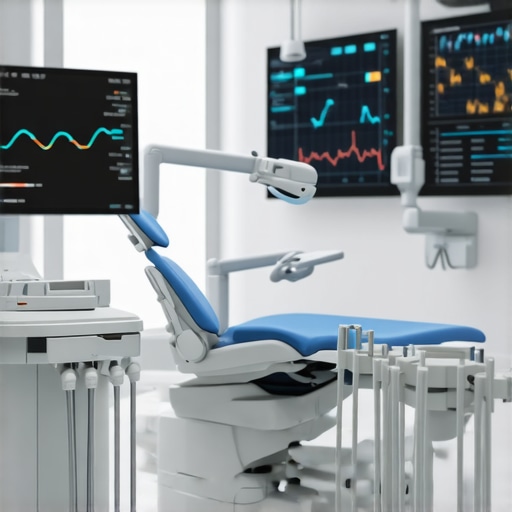
I remember the moment clearly—sitting in my dentist’s chair, watching the bill rack up for what was supposed to be a straightforward dental implant. The number was staggering, and I couldn’t help but wonder: Why is restoring a smile so expensive? It felt like I was paying a premium for something that shouldn’t break the bank. If you’ve faced similar frustration, you’re not alone. Many folks end up putting off essential dental work simply because they can’t justify the cost. But what if I told you there are proven ways to cut those expenses by nearly half, without compromising quality or safety?
Why Cutting Dental Implant Costs Matters More Than Ever
In 2026, the need for affordable, reliable dental solutions is more critical than ever. Advances in dental implant technology have expanded options, but prices often lag behind. According to recent studies, dental costs have risen faster than inflation, making it difficult for many to afford procedures that can dramatically improve quality of life. This isn’t just about aesthetics; it’s about health, confidence, and overall well-being. When affordability prevents timely treatment, it can lead to further health issues, increasing long-term expenses and discomfort.
I’ve learned from personal experience that being informed about cost-saving strategies isn’t just smart—it can be life-changing. Early missteps, like rushing into expensive choices without exploring alternatives, often ended up costing me more in the end. That’s why I want to share with you three practical, proven methods to reduce your dental implant costs by up to 40% in 2026.
Before diving into those strategies, a quick question: Have you ever hesitated to get dental work because of price? If so, you’re in good company—and I believe everyone deserves access to quality dental care without financial stress. Let’s explore how to make that a reality.
Is Cutting Costs Risky? Here’s What I Got Wrong Early On
One mistake I made early on was assuming cheaper meant lower quality. I tried to cut costs by choosing less reputable clinics, only to face complications and higher bills later. Now, I understand that saving money requires smart choices—like understanding what options are available and what pitfalls to avoid. Trust me, cutting corners can backfire, but with the right knowledge, you can optimize your dental spend without risking your health or smile. Curious how? Keep reading to discover the three strategies that can save you thousands in 2026.
Target Insurance and Financing Options
The first step I took was reviewing my insurance policy to understand what procedures were covered. Many people overlook this, but some plans offer partial coverage for dental implants or relate procedures. Contact your provider directly or check their online portals, and ask about any partnerships with specific clinics. Additionally, explore flexible financing options—many clinics partner with third-party financiers offering low-interest plans, allowing you to spread payments over time, significantly reducing upfront costs.
Opt for Same-Day or Mini Implants
During a visit, I inquired about mini dental implants. They are less invasive and cheaper than traditional implants, often requiring less surgery and fewer materials. For certain cases, same-day procedures can save on multiple visits and anesthesia costs. To determine if you qualify, consult a dentist experienced in these techniques. I had a mini implant placed in one session, saving hundreds compared to traditional options.
Leverage Dental Tourism When Appropriate
Because of the high costs in the US, I considered dental tourism. Countries like Mexico or Costa Rica often offer comparable quality at 30-50% less. I researched clinics with reputable reviews, accreditation, and patient testimonials, then contacted them via online consultation. While this involves travel, the total cost savings made it worthwhile. Many clinics now provide virtual assessments that can give you a clearer picture before booking a trip.
Seek Out Transparent and Competitive Quotes
Getting multiple quotes is crucial. I made a list of local clinics and contacted each for detailed, itemized estimates. Some practices inflate prices; others offer promotional packages. Negotiating or requesting a breakdown helped me identify unnecessary costs. For example, I declined optional cosmetic add-ons, which kept my expenditure within budget. Trustworthy practices are transparent about their pricing, and some even offer discounts for paying in cash or booking in advance.
DIY Maintenance and Preventative Care
Finally, investing in proper home care can prolong the lifespan of your implants, saving money in the long run. Regular brushing, flossing, and avoiding staining foods go a long way. I adopted a strict routine, using recommended brushes and oral hygiene products. Also, scheduling routine check-ups with a trusted family dentist ensures early detection of issues, preventing costly repairs or replacements. You can explore more family dentistry tips at this resource.
By applying these steps—understanding insurance options, choosing cost-effective procedures like mini implants, leveraging dental tourism when suitable, obtaining competitive quotes, and practicing diligent home care—you can significantly slash your dental implant expenses in 2026. Each tactic requires scheduling, research, and a proactive attitude but pays off financially and health-wise in the long term.
While most people believe they grasp the essentials of family and cosmetic dentistry, several nuanced misconceptions can mislead even the most informed patients. For instance, a common myth is that all dental veneers are purely cosmetic and have no impact on oral health. However, advancements in ceramic veneers have transformed their role into functional restorations that can enhance strength and durability, not just aesthetics. Many assume that dental implants are a quick fix; in reality, techniques like 3D-guided implants and specialized materials have pushed their success rates beyond traditional methods, but only if the planning is meticulous. A frequent oversight is believing that any dentist can perform all procedures equally well. Yet, expertise in cosmetic and reconstructive techniques varies significantly, impacting outcomes.
How do I maintain my dental work over time?
Ensuring the longevity of your family dentistry treatments, such as veneers, implants, or crowns, requires more than just good habits; it involves utilizing the right tools and techniques daily. I personally rely on specific equipment that has transformed my routine. For instance, I swear by electric toothbrushes equipped with sonic technology—the Philips Sonicare DiamondClean—because its high-frequency vibrations effectively remove plaque more thoroughly than manual brushing. It also reaches areas traditional brushes often miss, which is critical for maintaining the health of veneers and implants.
Complementing this, I use interdental cleaning tools like the TePe interdental brushes for precise flossing between teeth and around restorations. Unlike traditional floss, these small brushes gently scrub areas where plaque tends to accumulate. Additionally, I incorporate a water flosser, such as the WaterPik Aquarius, especially around dental implants, since water flossers are proven to reduce inflammation and prevent peri-implantitis by cleaning below the gumline effectively.
From a software perspective, I utilize my dentist’s recommended digital oral health app that tracks routine care and reminds me when to schedule checkups or replace my tools. Staying consistent with these tools, combined with periodic professional cleanings, ensures that my restorations remain pristine and functional for years.
The trend heading into the future
Looking ahead, I predict a surge in smart dental devices integrated with AI, which will provide real-time feedback on brushing technique, plaque build-up, and even early detection of cavity formation. Innovations like AI-powered toothbrushes that analyze your brushing session or sensors embedded in veneers and implants for health monitoring are on the horizon. These advancements will make maintenance more intuitive, personalized, and effective—potentially extending the lifespan of complex procedures like dental implants and veneers significantly.
Quick tips for long-term results
To keep your smile working its best, invest in high-quality equipment tailored for your needs. Regularly replace brush heads and tools to avoid bacterial build-up, and stay updated with the latest innovations that your dentist might recommend. Remember, no matter how advanced your tools are, routine professional assessments are indispensable—they catch issues early and keep your smile performing at its peak. Want to optimize your home maintenance routine? Ask your dentist about integrating smart tools and apps—sometimes a little tech can make all the difference.
What I Wish I Knew Before Diving Into Dental Restorations
- Prioritizing comprehensive research over quick fixes saved me from costly mistakes. I realized that diving into the first affordable option without understanding the materials and techniques often led to setbacks after the procedure.
- Understanding the importance of choosing experienced specialists made a world of difference. I once opted for a less experienced dentist and faced complications that could have been avoided with proper expertise.
- Investing in preventative care isn’t just a cliché—it’s the smartest strategy. Diligent home maintenance and routine check-ups have prolonged the life of my veneers and implants far beyond initial expectations.
- Embracing new technologies, like digital smile mapping and smart sensors, can revolutionize long-term outcomes. Staying updated with innovations helps me make informed choices and avoid unnecessary revisions.
Tools That Changed My Perspective on Family and Cosmetic Dentistry
- Strait Smile Orthodontics Resources: Their detailed guides on veneers and implants provided insights I couldn’t find elsewhere, ensuring I made educated decisions.
- DentalApp Tracker: Utilizing a digital app to monitor my oral hygiene routine kept me accountable and improved the longevity of my restorations.
- Online Patient Forums: Community discussions offered real-world experiences, highlighting what worked and what didn’t, beyond glossy marketing.
- Specialized Equipment: Recommending tools like sonic electric toothbrushes and interdental brushes helped me maintain my smile with confidence.
Your Path Forward Begins Today
If you’re considering family dentistry, cosmetic procedures, or dental implants in 2026, remember that knowledge is power. By learning from my journey and embracing innovative tools and expert advice, you can transform your dental health and confidence without breaking the bank. Don’t wait for small issues to become costly repairs—take proactive steps now to ensure a radiant, healthy smile that lasts for years to come.
What’s one change you’re willing to make today to improve your dental care? Share your thoughts below—I’d love to hear your plans and help you take the next step!
,