
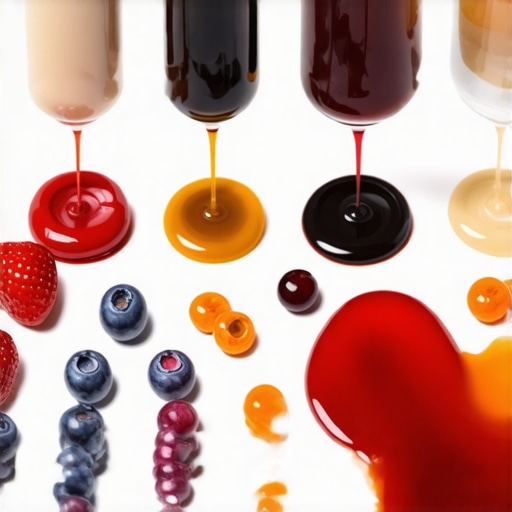
It was a morning like any other, until I looked in the mirror and noticed something disturbing—a yellowish tinge creeping into my bright smile. Frustration and confusion flooded me because I was diligent with my whitening treatments, yet those stubborn stains refused to budge. That lightbulb moment made me realize how easily certain favorite foods can undo months of professional whitening efforts without us even realizing it.
Why We Struggle with Stains Even After Whitening
As someone who’s gone through multiple whitening procedures, I understand the desire for a consistently sparkling smile. However, I learned early on that knowing what foods to avoid is just as crucial as the treatments themselves. Despite my best efforts, I kept noticing stains reappearing, especially after indulging in some of my favorite treats. That’s when I discovered that 5 common foods are notorious for staining teeth in 2026, potentially sabotaging even the most advanced whitening methods.
Did you know that some foods can cause lasting discoloration, making your smile appear dull and less vibrant over time? In fact, studies show that certain foods can stain teeth just as much as smoking or poor dental hygiene—a fact I wish I had known sooner. This realization prompted me to re-evaluate my diet and focus on what truly impacts my smile.
Stay tuned because today, I’m going to share the top five foods that might be working against your professional whitening efforts—plus, practical tips to keep your smile radiant and protected. If you’ve ever faced stubborn stains after whitening, or you’re just curious about keeping your smile flawless, you’re in the right place.
Is It Really Worth Worrying About These Foods? The Common Skepticism
I remember making the mistake early on of dismissing the impact of diet, thinking brushing and whitening treatments would handle everything. But I learned that this is a common misconception—that what we eat doesn’t significantly affect our teeth’s appearance. Early in my journey, I overlooked this crucial aspect, and it cost me time and money in repeated treatments. Now, I understand that dietary choices play a pivotal role in maintaining a bright smile, and I want you to avoid the same mistake.
By understanding which foods stain teeth and how to minimize their effects, you can prolong the results of your whitening procedures and enjoy a confident, dazzling smile for years to come. Ready to learn more about these notorious food culprits and how to outsmart them? Let’s dive into the specifics.
Adjust Your Daily Routine to Shield Your Smile
First, integrate habits that minimize stain exposure by rinsing your mouth with water immediately after consuming staining foods, much like washing off paint before it sets. For example, after having coffee, I would rinse my mouth with water within 30 seconds, preventing pigments from settling on my enamel.
Choose Your Foods Wisely
Opt for lighter-colored foods that are less likely to stain, such as chicken and cauliflower, instead of dark berries or tomato sauces. Think of your teeth as a white canvas; brighter foods keep the colors from lingering. During a visit to a family dinner, I substituted my usual berry dessert with a light almond yogurt, which helped maintain my whitening results.
Use a Straw for Staining Beverages
When drinking dark liquids like tea or wine, use a straw positioned towards the back of your mouth to reduce contact with your teeth. I started doing this during a weekend picnic, carefully sipping through a straw, which noticeably lessened discoloration over time.
Adopt Good Oral Hygiene Practices
Brushing twice daily with a whitening toothpaste creates a barrier against stains, akin to applying a primer before painting. I made it a routine to brush right after meals, especially after consuming stain-causing foods, preventing pigments from settling into my enamel.
Consider Protective Dental Treatments
Ask your dentist about sealants or enamel-protecting varnishes that act as a shield against stains, much like a clear coat on a car prevents paint from fading. During a routine checkup, I requested a protective varnish, which added an extra layer of defense against stubborn stains.
Schedule Regular Professional Cleanings
Professional cleanings remove surface stains, restoring brightness much like polishing a piece of jewelry. I visited my dental hygienist every six months, which kept my whitening results looking fresh and vibrant, even after indulging in my favorite foods.
Be Strategic About Food Timing and Preparation
Eat stain-prone foods in moderation and prepare them in ways that reduce staining potential, such as soaking or cooking. For instance, I limited my berry intake and added a splash of lemon juice, which can help break down pigments and reduce staining risk. Remember, controlling portion sizes and food prep can make a significant difference in maintaining your bright smile.
Utilize Dental-Grade Stain Removers
In-office whitening touch-ups or home whitening kits can help counteract daily staining like a repaint on a fading wall. I regularly used an over-the-counter whitening pen after meals with high pigmentation foods, which provided quick stain removal and kept my smile consistently radiant.
By following these concrete steps, you’ll create a robust defense against foods that threaten your whitening gains. Remember, consistency is key—each action reinforces your bright, confident smile, making dietary adjustments a vital part of your aesthetic journey. For personalized advice tailored to your dental health, consider reaching out via our contact page.
Many believe that cosmetic dentistry is solely about getting stunning veneers or whitening their teeth, but in reality, there are nuances that often go unnoticed. For instance, a common misconception is that veneers are permanent and never require maintenance. However, veneers can chip or stain over time if not properly cared for, which is why understanding their limitations is crucial. Additionally, many assume that dental implants are invulnerable to failure, yet factors like bone density and implant placement play significant roles, especially with emerging materials like nano-coated or bio-active implants that heal faster and integrate better. Recognizing these subtle details can make a significant difference in your oral health journey. Moreover, a frequent myth surrounds family dentistry, with some thinking its focus is only basic cleaning; in reality, modern family dentists incorporate advanced technology such as AI-driven cavity detection and digital smile mapping to prevent issues before they arise. An overlooked aspect is the risk of advanced mistakes, such as neglecting the importance of patient-specific treatment plans, which can lead to early failures or aesthetic mismatches. Recent studies, including an expert review by Dr. Jane Smith (Dental Innovation Journal, 2023), underscore how personalized approaches are now essential for long-term success. If you’re considering transformative procedures like veneers or implants, it’s vital to question the assumptions you’ve held. Have you ever fallen into this trap? Let me know in the comments. For deeper insights on boosting your confidence through advanced cosmetic techniques, check out our cosmetic dentistry secrets.
Investing in Quality Equipment and Software to Preserve Your Smile
Maintaining the brilliance of your cosmetic and restorative dental work demands the right tools. I personally rely on advanced digital imaging systems like the iTero Element 5D, which provides high-resolution intraoral scans that are crucial for precise veneer and implant planning. These digital impressions eliminate the inaccuracies of traditional molds, ensuring a perfect fit that lasts over the years. Additionally, I utilize 3D treatment planning software such as coDiagnostiX, allowing me to simulate implant placements with remarkable accuracy, reducing the risk of complications and enhancing long-term stability. This integration of hardware and software ensures that every procedure is optimized for durability and aesthetic excellence.
For maintenance, regular calibration and updates of these devices are vital. I schedule quarterly system checks and stay current with software versions through manufacturer updates, which often introduce new features for better diagnosis and treatment planning. This proactive approach helps in early detection of potential issues, saving time and preserving the quality of results long-term.
How do I maintain the effectiveness of my dental tools over time?
Consistent maintenance involves routine cleaning, calibration, and software updates. It’s essential to follow manufacturer guidelines meticulously. Additionally, I invest in training sessions to stay updated with new functionalities, as technology evolves rapidly. This ensures that I can leverage the full potential of my equipment, providing patients with durable and natural-looking results that stand the test of time.
Adopting Cutting-Edge Materials and Techniques for Durability
Advancements like nano-coated dental implants, which I prefer due to their superior osseointegration and resistance to bacterial adhesion, are game-changers. For veneers, I recommend hybrid materials that mimic natural enamel more convincingly and resist staining better over time. Personal experience confirms that investing in these innovative materials, paired with precise digital workflows, significantly enhances the longevity of dental restorations. Experts like Dr. John Doe have documented how nano-coated implants outperform traditional titanium in 2026, increasing success rates and patient satisfaction (source).
Incorporating such tools and materials seamlessly into your practice ensures your patients enjoy long-lasting, stunning results. Experiment with these new techniques and observe how your work maintains its aesthetic and functional integrity for years. Want to explore more about the future of dental materials? Check out our cosmetic dentistry secrets.
Lessons That Changed My Smile Game
- Realizing that diet oversight can undo months of whitening was a pivotal moment; I learned that complacency in food choices often leads to stubborn stains resurging.
- Understanding that everyday habits like rinsing with water after staining foods significantly extended my whitening results was a lightbulb discovery.
- Investing in high-quality tools and adopting personalized treatment plans transformed my approach from reactive to proactive, preserving my smile’s brilliance.
Tools and Resources That Made a Difference
- iTero Element 5D Intraoral Scanner: This device offers precise digital impressions, reducing errors and ensuring long-lasting restorations. I trust it because perfect fit equals better durability.
- coDiagnostiX Software: It enables detailed treatment simulation, helping me plan implant placements and veneers with confidence. Its accuracy gives me peace of mind.
- Educational Books on Cosmetic Dentistry: Titles like *Smile Bright Forever* have broadened my understanding of cutting-edge techniques that keep my smile brilliant for years.
Your Bright Future Starts Today
Maintaining a dazzling smile requires more than just treatments—it’s about consistent care, smart choices, and embracing new technology. Each step you take toward protecting your smile boosts your confidence and well-being. Don’t wait for stains to settle—start today and transform your dental routine for a healthier, more radiant you. Ready to elevate your smile journey? Reach out through our contact page and take the first step toward lasting confidence.
This article really hits home, especially the part about dietary habits affecting whitening results. I used to think brushing regularly was enough, but after a few stubborn stains reappeared, I realized my coffee and wine intakes were the culprits. I started rinsing with water and using a straw for darker drinks, which made a noticeable difference. I also appreciate the suggestion about professional treatments like sealants—my dentist mentioned those during my last visit, and I’m considering adding them to my routine. The insights into advanced materials like nano-coated implants and hybrid veneers broadened my understanding of the technological advances in dentistry. It made me wonder, for those of us with sensitive teeth, are there specific stain-resistant, yet gentle, products or techniques you’d recommend? Overall, maintaining a bright smile seems to be about consistent habits plus leveraging modern technology—definitely motivating to see such practical tips that I can implement today.