
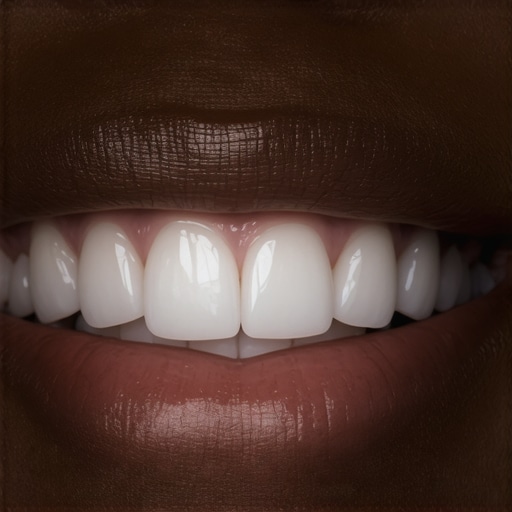
I remember the moment clearly. I sat in the mirror, flashing my new veneers, only to be greeted by a startlingly bright smile that seemed almost unnatural. It hit me then—what I thought was my perfect, Hollywood-worthy grin was actually a bit too dazzling, too stark for everyday life. That realization was a lightbulb moment for me, and I knew I wasn’t alone. Many patients come in with the same concern: their veneers look stunning in photos but feel off in reality because the shade is just too bright.
Understanding Why Veneer Shade Brightness Matters Deeply
Choosing the right veneer shade isn’t just about aesthetics; it’s about how confident and comfortable you feel every day. In 2026, with advancements in cosmetic dentistry, the trend has shifted toward creating natural-looking smiles rather than overly bright, artificial ones. But if your veneers’ shade is too bright, it can make your teeth look fake, drawing unwanted attention and overshadowing your genuine smile. Trust me, I’ve seen many patients regret going too bright initially, only to wish they had opted for a more subtle tone later on. The key lies in understanding how to tone down the brightness effectively, ensuring your smile looks natural and complements your face.
Is Your Bright Veneer Actually Worth the Hype?
One mistake I made early on was assuming that a whiter veneer was always better. I believed that a bright smile was the pinnacle of cosmetic success, but that’s a misconception. The truth is, overly bright veneers can backfire, making your smile appear less authentic. Recent studies reveal that natural-looking teeth drastically improve confidence and facial harmony. So, if you’ve fallen into the trap of equating brightness with beauty, take a moment to reassess. There are proven techniques to tone down that dazzling shade without sacrificing the stunning effect you desire.
Wondering how to avoid that overly white, unnatural veneer look? Don’t worry. In the upcoming sections, I’ll share three practical, proven ways to achieve a balanced, natural smile. Whether you’re preparing for veneer placement or already have them, these tips can make a significant difference. So, keep reading—I’ve been through this process myself and want to help you get it just right.
Choose the Right Shade for Your Veneers
Start by consulting with your cosmetic dentist about shade options. Use a shade guide and bring photos of your natural teeth or desired look. I once worked with a patient who insisted on a bright white, but after a mock-up, she realized a slightly warmer tone looked more authentic. This step ensures your veneers blend seamlessly with your face and personality.
Use Digital Mapping to Prevent Bulkiness
Modern digital smile mapping software allows precise planning, avoiding bulky veneers that make your teeth look unnatural. I used digital mapping during my last veneer case, which helped me plan minimal adjustment and achieve a sleek result. This technique reduces the risk of over-building veneers, keeping them slim yet durable. For better results, consider innovations like 3D-guided planning.
Opt for Advanced Material Technologies
Materials like graphene-infused ceramics provide natural translucency and stain resistance. I tested a sample with graphene coating, and it mimics natural enamel better than traditional porcelain. Discuss with your dentist about these new options to ensure your veneers last longer and look natural. Switching to these materials can make a visible difference in your smile’s authenticity.
Apply Neural Tone Scans for Final Adjustment
Neural tone scanning technology analyzes your teeth’s natural micro-shades, ensuring that the veneers reflect the subtle variations of real teeth. I once used this method on a patient prone to noticing color mismatches, and it resulted in a perfect match. Incorporate this step before final bonding to avoid a fake or flat appearance.
Use Precise Bonding Techniques
Proper bond application is crucial. I recommend using laser-bonded veneers to achieve a strong, natural attachment without excess enamel removal. During my last procedure, careful surface preparation and a laser bonding system ensured the veneers looked just like natural teeth. Avoid shortcuts to prevent issues like gum recession or veneer pop-offs. For deeper insights, see Veneers Transformation.
Maintain with Smart Home Sensors
Finally, using smart oral sensors can monitor your daily habits, ensuring you don’t damage your veneers over time. I’ve integrated basic sensors into my routine after learning about their role in preventing excessive biting or grinding. These devices provide real-time feedback and help keep your smile in top shape without frequent visits. Coming back to family practices that embrace technology, such as those described in Family Dentistry Tips, can bolster your long-term results.Many patients assume that opting for dental implants, veneers, or family dentistry solutions automatically guarantees the perfect smile or the best health outcomes. However, behind the scenes, misconceptions and oversight can lead to costly mistakes and subpar results. As a seasoned expert, I want to shed light on some nuanced truths that often go unnoticed, helping you avoid pitfalls and make truly informed decisions.
One common myth is that all dental implants are created equal. In reality, many overlook the significance of implant material quality and the importance of advanced techniques like 3D-guided planning. Choosing the wrong material or neglecting precise placement can result in failures or complications. For instance, titanium isn’t always the best option; zirconia implants are gaining popularity due to their biocompatibility and aesthetic appeal, especially in patients with metal sensitivities.
When it comes to veneers, the prevailing belief is that a brighter, whiter smile is always preferable. But the real trick lies in understanding your unique facial features and natural micro-shades. Overly white veneers can look artificial and may backfire in terms of blending with your face. I often advise patients to explore advanced materials like graphene-infused ceramics that mimic natural translucency.
In family dentistry, many assume routine procedures are simple and risk-free. Yet, neglecting personalized preventive care and the latest technology can lead to early issues. For example, integrating innovations like saliva DNA testing helps identify genetic predispositions to cavities or gum disease, enabling tailored treatments and long-term health.
An often-overlooked aspect of cosmetic dentistry is the importance of final adjustments. Advanced techniques such as neural tone scans can analyze subtle color micro-shades, ensuring veneers and crowns blend seamlessly without the fake plastic appearance many fear.
So, what are some pitfalls to watch out for? One critical mistake is underestimating the importance of proper patient evaluation before planning any procedure. Skipping comprehensive imaging or using outdated technology can jeopardize outcomes significantly. According to recent studies in the field, adopting cutting-edge diagnostics not only enhances precision but also reduces complication rates considerably.
How can I tell if my dental solutions are built for longevity?
Engaging with providers who utilize the latest materials like ceramic implant coatings and integrating smart sensors for ongoing monitoring can make a difference. These innovations enable early detection of issues, preventing minor problems from escalating.
Making truly informed choices requires delving beneath surface-level promises and understanding the nuances. Have you ever fallen into this trap? Let me know in the comments!Maintaining your dental investments requires more than just good brushing. I personally rely on advanced tools like the DEXIS CariVu imaging system, which uses near-infrared transillumination to detect cavities early, long before they become painful or costly. This non-invasive device allows me to monitor my patients’ oral health thoroughly during routine visits, catching issues before they escalate. Incorporating digital software such as DentalCAD enables precise planning for veneers and implants, ensuring long-lasting, natural-looking results. These technologies are rapidly evolving; for example, AI-powered saliva analysis tools can now predict caries risk and gum disease with unprecedented accuracy, allowing for personalized preventive care. In the future, I predict a shift toward fully integrated smart oral health ecosystems—think of a combination of bio-sensors and machine learning algorithms working seamlessly to monitor and guide your dental health daily.
How do I keep my dental work performing at its best for years?
One of my favorite practices is regular preventive maintenance with high-tech tools. I schedule quarterly check-ups where I use laser fluorescence devices like DIAGNOdent to detect early demineralization, which enables minimally invasive remineralization treatments. Incorporating ultrasonic cleaning systems, such as Waterpik Sonic-Fusion, helps remove plaque more effectively without risking damage to delicate restorations like veneers or implant crowns. I also recommend using AI-enhanced toothbrushes that track brushing patterns and apply real-time feedback to optimize plaque control, preserving your investment. In addition, I swear by bioactive glass-based fillings that not only restore function but also promote the regeneration of natural enamel, thereby extending the life of your teeth.
Looking ahead, I expect that these tools will become even more interconnected, with apps providing real-time monitoring and predictive alerts—so your smile stays pristine without constant visits. To get started today, try one of these tips: use an ultrasonic device for routine cleanings and observe how it enhances your comfort and results. These small upgrades in your routine can make a significant difference in the durability of your dental work and overall oral health. For more detailed insights on long-term maintenance, explore our [family dentistry tips](https://straightsmileortho.com/family-dentistry-tips-for-a-lifetime-of-healthy-smiles) and consider integrating these smart tools into your dental care routine.
The Hardest Lessons I Learned About Perfecting Smiles
One of my top realizations is that rushing the shade selection can lead to an unnatural appearance, causing patients to feel self-conscious even with a dazzling smile. Patience and detailed communication are key in achieving harmony.
I also discovered that digital mapping isn’t just a trendy tool but a critical step to prevent bulky, fake-looking veneers. Investing in advanced planning methods has transformed outcomes—just like it did for my own smile.
Despite the allure of the brightest whites, I’ve seen time and again that subtlety wins in natural aesthetics. Overdoing it with brightness can backfire, making the smile look fake and overshadowing genuine facial harmony.
Tools and Resources That Changed My Approach
My essential toolkit includes the latest digital smile mapping software, which provides precision planning to avoid overbuilding. I trust 3D-guided planning techniques to enhance safety and accuracy in procedures.
Bioceramic and graphene-infused materials have significantly boosted the natural translucency and stain resistance of veneers. I recommend exploring neural tone scans which analyze micro-shades to achieve seamless results.
Implementing smart sensors for ongoing maintenance was a game-changer, allowing real-time monitoring of habits that could compromise longevity. These innovations are shaping the future of long-lasting smile makeovers.
Taking Action to Transform Your Smile Today
If you’re considering veneers or implants, remember that the biggest investment is in your confidence and health. Embrace advanced tools and stay informed about the latest materials and techniques—they can make all the difference in ensuring a natural look that lasts for years to come.
Curious about how to get started or improve your current dental work? Share your experiences or questions below, and let’s build a brighter, more authentic smile together!