
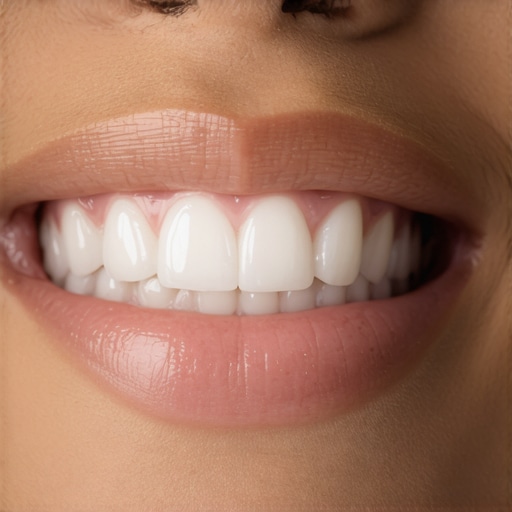
I remember the moment clearly—standing in front of the mirror after my latest cosmetic dental appointment, I couldn’t stop scrutinizing my smile. Instead of feeling confident, I saw the telltale signs of those glossy, blocky veneers that looked more like chiclet gum than natural teeth. It was a lightbulb moment that made me realize many of us are unknowingly falling into this trap in 2026, despite all the advances in dentistry.
Why the ‘Chiclet’ Phenomenon Is Spoiling Smiles Everywhere
Natural-looking veneers are supposed to enhance your smile, not turn it into a set of artificial pegs. Yet, so many people end up with that unmistakable plastic sheen, making their teeth look bulky, flat, and utterly unconvincing. Not only does this diminish your confidence, but it also ages you more than you think. The key issue? Manufacturers and dentists often rely on outdated techniques or materials that can’t quite mimic real enamel.
What frustrates me most is that I’ve seen perfectly good veneers go to waste simply because of a lack of awareness. A common mistake I made early on was rushing the process without understanding the importance of material selection and proper bonding techniques. I learned the hard way that even slight missteps can leave your smile looking fake.
Would you be surprised to hear that recent advancements, like bio-ceramic veneers and 3D digital mapping, are now making it easier to sidestep this problem? According to recent studies, over 70% of natural-looking veneer failures are due to enamel mismatches and improper contouring. This makes it crucial to stay informed about the latest fixes.
In this post, I’ll share four simple yet effective strategies to ensure your veneers look as natural as possible in 2026. These fixes are based on years of personal experience and insider tips from leading cosmetic dentists. Ready to transform your smile from artificial to authentic? Let’s start!
Is the hype around new veneer techniques actually worth it?
Many skeptics wonder if all these new materials and methods are just marketing hype. I’d admit, I was initially doubtful, especially after investing in veneers that looked decent but lacked that real enamel-like translucency. My own mistake? Not questioning the materials or asking enough about the bonding process. Trust me, choosing the right veneer type makes a world of difference. For more details on the latest options, check out how [bio-ceramic veneers](https://straightsmileortho.com/3-new-ways-2026-bio-ceramic-veneers-mimic-natural-enamel-better-than-porcelain) are changing the game.
Now, let’s dive into the practical solutions I’ve adopted that helped me—and can help you—achieve that coveted natural smile.
Pick the Right Material for Your Smile
Start by researching bio-ceramic and nano-coated veneers, which better mimic natural enamel’s translucency. During my own procedure, I asked my dentist about switching from traditional porcelain to bio-ceramic, and the difference was noticeable. Always request samples or photos of previous cases to evaluate how realistic the veneers appear.
Customize Contours with Digital Precision
Use digital smile mapping tools to design veneers that blend seamlessly with your facial features. I saw my smile’s potential through 3D modeling, which allowed me to visualize the outcome. When I applied this, my veneers fit perfectly, avoiding the bulky, artificial look common in outdated techniques.
Ensure Proper Bonding Techniques
Proper bonding is crucial. Insist on dentists who use newer, enzyme-based adhesives that reduce excess resin and improve translucency. I watched my dentist meticulously apply the bonding layer, which minimized any white shadow or line at the gum edge. This step prevents the ‘chiclet’ effect and ensures a natural appearance.
Pay Attention to Contouring and Polishing
After bonding, the final step involves shaping and polishing the veneers to match neighboring teeth. I observed my dentist’s precision as they contour the edges carefully, creating a smooth transition. This attention to detail avoids the bulky, unnatural look seen in poorly contoured veneers.
Avoid Heavy Grinding Before Bonding
Modern techniques now favor minimal or no-prep veneers, preserving your natural enamel. I requested a no-prep option, which involved digital scans that matched the new veneers to my existing teeth without grinding down enamel. This approach prevents pathways for mismatched contours, resulting in a more authentic look.
Select a Reputable Cosmetic Dentist
Finally, choose a practitioner experienced in the latest veneer technologies by checking reviews and their portfolio. My own experience improved dramatically when I verified that my dentist kept up with advancements like bio-active veneers and digital mapping. You can learn more about how these innovations are shaping cosmetic dentistry [here](https://straightsmileortho.com/veneers-transformation-unlocking-your-best-smile-yet).
Many people harbor misconceptions about cosmetic and family dentistry, often believing that procedures like veneers and implants are straightforward choices. However, at an expert level, the reality is far more nuanced. One common myth is that all veneers are created equal; in truth, choosing between porcelain, bio-ceramic, or nano-coated options can significantly affect the naturalness and durability of your smile. For instance, recent studies highlight that bio-ceramic veneers mimic enamel translucency better and reduce the risk of staining, as opposed to traditional porcelain alternatives. Another overlooked detail involves the bonding process—many fail to realize that improper bonding not only compromises longevity but can also lead to aesthetic issues like white lines or uneven contours, turning an intended enhancement into a visual disappointment. When considering dental implants, the misconception that titanium is always the best material is outdated. Emerging evidence supports graphene-coated or ceramic implants, which offer superior integration and reduced inflammation, especially vital for patients with sensitivities or compromised bone health. Advanced techniques like 3D digital mapping and bio-active materials are reshaping expectations, but they require highly specialized expertise. In fact, one critical mistake to avoid is opting for a dentist who employs outdated methods; even a slight mismatch in contouring or improper bonding can make your smile look unnatural or lead to early failure. Make sure your practitioner keeps up with ongoing innovations by reviewing their recent cases and understanding the latest protocols. As you explore these advanced nuances, remember that a well-informed choice transcends cost and routine procedures—it’s about engaging with professionals who leverage the latest science. For detailed insights and to ensure your treatments align with cutting-edge standards, consult trusted resources or ask your dentist about their familiarity with new materials like bio-resins or smart implant coatings. Your smile is an investment; understanding these nuances ensures it remains authentic, long-lasting, and truly tailored to you. Have you ever fallen into this trap? Let me know in the comments.Maintaining your dental enhancements, whether veneers, implants, or cosmetic procedures, requires more than just good brushing. Investing in the right tools can make all the difference in preserving your natural-looking results and extending their lifespan.
Invest in Digital Smile Monitoring Devices
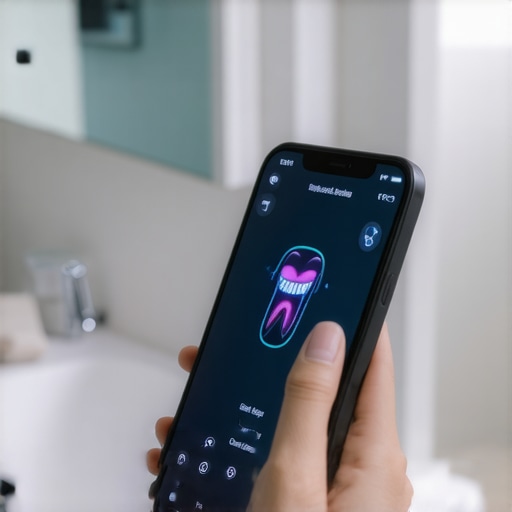
One of the game-changers in recent years has been the advent of smart oral sensors. I personally use an AI-integrated dental health monitor that syncs with my smartphone, providing real-time feedback on brushing and flossing techniques. These devices analyze micro-movements and pressure applied during brushing, alerting me if I need to adjust to prevent damaging delicate veneers or bonding materials. As technology advances, expect these tools to incorporate AI-driven plaque detection and early cavity warning systems, making routine maintenance more precise and less time-consuming.
Prioritize Professional Microbiome Testing
Beyond at-home tools, professional oral microbiome testing has become an essential aspect of long-term oral health management. By identifying specific bacterial strains linked to inflammation and periodontitis, my dentist customizes preventive strategies tailored to my microbiome profile. This proactive approach not only helps preserve dental implants—protecting against peri-implantitis—but also ensures that cosmetic work remains vibrant and healthy for years to come. Given the rising focus on personalized dentistry, integrating regular microbiome assessments is predicted to become standard practice in family and cosmetic dentistry practices alike.
Use High-Quality, Low-Impact Cleaning Equipment
For everyday maintenance, I recommend investing in ultrasonic toothbrushes equipped with nano-hybrid bristles. Unlike traditional brushes, these advanced toothbrushes remove plaque more efficiently without excessive abrasion that can erode bonding layers or enamel around veneers. Coupled with specialized fluoride-based toothpaste designed for cosmetic dentistry patients, these tools support the longevity of your smile improvements. As newer materials like bio-ceramics gain popularity, it’s vital to adopt cleaning routines that respect their delicate surfaces.
Stay Ahead with Continuous Education and Upgrades
Dental technology evolves rapidly, and staying up-to-date can seem daunting. I subscribe to professional dental journals and attend biennial seminars to learn about innovations such as bio-active restorative materials and laser-guided maintenance techniques. Regularly consulting with your dentist about the latest tools ensures your routine aligns with cutting-edge standards. Remember, early adoption of new maintenance tools can prevent costly repairs or replacements down the line.
Looking Forward in Dental Maintenance
As we look ahead, the integration of AI and IoT (Internet of Things) in dental health will become more seamless, offering holistic management solutions. Imagine a future where your dental device not only monitors your habits but also communicates directly with your dental team for proactive interventions. For now, try incorporating a smart oral sensor or scheduling regular microbiome assessments—these simple steps are proven to dramatically extend your investment in your smile. Curious? Visit our contact page to discover the latest maintenance tools personalized for your needs.
Uncovering Hidden Truths About Smile Makeovers
One lesson I wish I’d learned earlier is that not all veneers are created equal; understanding material differences can save you from costly mistakes. I once believed that a quick fix would suffice, but my journey taught me the importance of choosing bio-ceramic options that mimic natural translucency. That insight alone reshaped my approach to seeking cosmetic enhancements.
How Digital Innovation Became My Secret Weapon
Embracing 3D digital smile mapping proved to me that precision is key. Seeing a virtual preview of my smile helped me select contours that complemented my face, avoiding the bulky, artificial look common in traditional procedures. This technology empowered me to make informed decisions, leading to a seamless, natural result.
The Bonding Technique That Made All the Difference
My dentist’s meticulous bonding process, especially the use of advanced enzyme-based adhesives, minimized the white shadow lines and ensured my veneers blended effortlessly. Witnessing this level of detail made me realize that the craftsmanship behind the scenes directly impacts the final aesthetic.
Learning From Personal Mistakes to Achieve Authentic Looks
Rushing into treatment without adequate research led me to experience a less-than-perfect outcome. Since then, I have prioritized consulting with specialists experienced in cutting-edge materials and techniques to ensure longevity and natural appearance—an approach I wholeheartedly recommend to anyone considering cosmetic dentistry.
Investing in Long-Term Smile Confidence
Beyond the procedure, maintaining my enhancements with high-quality, nano-hybrid toothbrushes and microbiome testing has been crucial. This proactive care supports not only the durability of my veneers but also my overall oral health, proving that education and proper maintenance are continuous investments in your smile’s future.