
It was a morning like any other, but as I caught my reflection, I noticed something that made my stomach tighten—a tiny crack running through one of my shiny new veneers. That moment hit me hard; I realized I’d unknowingly been sabotaging my smile. Have you ever experienced that sinking feeling when your perfect smile shows signs of wear sooner than expected? If so, you’re not alone. Many people invest in veneers expecting lasting perfection, only to face unexpected cracks and chips.
In today’s post, I’ll share how subtle habits could be behind premature veneer cracking in 2026. Yes, those tiny daily choices can have a big impact, especially with the latest bio-resin materials that promise durability but can fall victim to everyday wear and tear. I’m here to help you identify these habits and avoid costly dental repairs or replacements.
Why 2026 Bio-Resin Veneers Are More Prone to Cracking Than You Think
Bio-resin veneers are hailed for their natural appearance and less invasive application process, making them a popular choice among cosmetic enthusiasts. However, these newer materials, while innovative, are not invincible. Their popularity surged because they mimic natural enamel so well and are considered a significant upgrade over older porcelain options. But as with any material, understanding their vulnerabilities is crucial.
Early in my journey with veneers, I made a mistake—ignoring the importance of lifestyle habits that could weaken this delicate surface. I believed that since the material was so advanced, minimal care was needed. That couldn’t be further from the truth. Even the most durable bio-resin veneers are susceptible to damage if you’re not mindful of certain habits.
The truth is, many cracks aren’t accidental—they’re the result of habits that, over time, weaken the veneer’s surface or cause stress fractures. That’s why I’m diving into the unnoticed behaviors that can cause your beautiful veneers to crack prematurely. Recognizing these habits now can save you from unnecessary discomfort and expenses later on.
If you’ve noticed tiny chips or cracks forming earlier than expected, ask yourself—are you unknowingly contributing to this problem? My experience has shown that awareness is the first step toward protecting your investment and maintaining that stunning smile for years to come.
Let’s explore the habits hiding in plain sight—those small, often overlooked actions—that can make or break the longevity of your bio-resin veneers. The good news? Once you know what to avoid, you can take simple steps to reinforce your veneers’ strength and keep your smile radiant well into the future.
If you’re curious whether these habits are affecting your smile, keep reading. We’ll unpack the four most common behaviors that can lead to cracking, and I’ll share proven tips to help you sidestep them, ensuring your veneers stay beautiful and intact for years ahead. Stay tuned—this is information you won’t want to miss.
Gentle Chewing Techniques That Save Your Smile
I remember a morning when I noticed a tiny crack on my veneer after chewing on ice. To avoid damaging your veneers, adopt a mindful chewing strategy. Use the back teeth for hard foods instead of biting directly with the front. When biting into a crunchy apple, cut it into manageable pieces, preventing unnecessary stress on the veneer surface.
Be Mindful of Your Nighttime Habits
Grinding or clenching teeth while asleep can generate substantial stress, leading to cracks over time. I began wearing a custom nightguard after noticing soreness in my jaw. This simple device acts like a shock absorber, dissipating biting forces and protecting your veneers from fracture.
Limit Clenching and Jaw Stress
Besides nighttime grinding, avoid clenching your jaw during stressful moments; it exerts excessive pressure on veneers. Practice relaxation techniques or consult your dentist about biofeedback methods to reduce jaw tension, ensuring your dental investments stay intact.
Avoid Using Teeth as Tools
Open stubborn packaging with your hands instead of using your teeth. I once tried to tear open a sealed bag with my front teeth and felt a tiny chip. Setting this habit helps preserve the integrity of your veneers and prevents incremental damage that might lead to cracks later.
Steer Clear of Sticky and Hard Foods
Sticky candies or caramel can stick to the veneer surface, pulling at the bond. Hard foods like nuts or popcorn kernels can cause chips. Opt for softer alternatives whenever possible and cut tough items into small pieces, reducing undue stress on your veneers.
Maintain Regular Dental Check-Ups
Routine visits allow early detection of minor cracks or wear. During my quarterly appointments, my dentist examined my veneers with digital scanners, catching early signs of stress fracture. Schedule regular check-ups to catch issues before they evolve into costly repairs.
Manage Dietary and Lifestyle Choices
Rich in acidity, citrus fruits can weaken the bio-resin surface. Also, avoid habits like smoking, which can stain or deteriorate the material. Incorporate a balanced diet rich in calcium and vitamin D to strengthen your teeth and support veneer longevity.
Practice Good Oral Hygiene with Care
Gentle brushing with a soft-bristled brush prevents surface abrasion. I learned to brush in circular motions without applying excessive pressure. This method preserves the smooth veneer surface and prevents microcracks that could expand over time.
By integrating these habits into your daily routine, you’ll significantly reduce the risk of cracking your veneers prematurely. Remember, small consistent actions, much like careful driving, keep your smile shining and durable despite the bio-resin vulnerabilities in 2026.
Many people assume that cosmetic and restorative dental procedures are straightforward paths to a perfect smile, but beneath the surface lie nuanced realities that can trip up even the most informed patients. One common misconception is that all dental implants are created equal—yet, in my experience, materials like graphene-infused implants are revolutionizing outcomes by enhancing bone integration and reducing failure rates, a fact supported by recent research in the *Journal of Dental Research*. Similarly, the myth that veneers are purely superficial ignores advances in bio-ceramic options that mimic natural enamel more seamlessly than traditional porcelain, as detailed in our recent comparison article.
Are You Overlooking Long-Term Stability in Your Dental Choices?’
Many patients focus solely on immediate aesthetic results, neglecting the importance of durability and biological compatibility. For example, selecting titanium implants without considering their compatibility with an individual’s body chemistry can lead to immune responses or even implant rejection. To avoid such pitfalls, it’s critical to delve into the advanced options available and understand how new materials like nano-coated bio-active implants promote faster healing and bone fusion—topics thoroughly discussed in our latest post on *3 New Ways Bio-Active Implants Fuse Faster in 2026*. Moreover, the common trap is assuming that family dentistry is just about routine cleanings; in reality, a proactive approach involves integrating oral microbiome testing and utilizing AI-driven scans to detect early signs of decay or gum disease, which can save you from invasive procedures later. Incorporating these innovations ensures that your dental health plan is not only preventative but also tailored to your unique biology. So, are you making the best choices for long-term oral health, or are there hidden factors you’ve missed? Remember, being informed about these nuanced differences empowers you to make smarter decisions—an essential step toward lasting confidence. If you’ve ever fallen into this trap or want to share your experiences, let me know in the comments! For more insights on the latest in dental technology, explore our [privacy policy](https://straightsmileortho.com/privacy-policy) or contact us for personalized advice via our [contact page](https://straightsmileortho.com/contact-us). Your journey to a healthier, more radiant smile starts with understanding these hidden truths.Maintaining your dental investments over time requires more than just good habits; it involves leveraging the right tools and practices that support longevity and health. From advanced whitening systems to digital monitoring, choosing the right equipment can dramatically impact the durability of veneers, implants, and family dental routines.
Invest in High-Quality Ultrasonic Cleaners
One of my personal essentials is an ultrasonic dental cleaner. Unlike traditional brushes, ultrasonic devices use high-frequency sound waves to remove plaque and debris deeply embedded in hard-to-reach areas, reducing the risk of decay that can compromise veneers or implants. I prefer models with adjustable frequency settings, such as the XD200 Ultrasonic Cleaner, which offers customizable cleaning cycles for delicate restorations and everyday hygiene alike. Regular use ensures your appliances stay free of bacteria and stains, extending their lifespan and appearance.
Embrace Digital Monitoring Tools
Keeping tabs on your oral health between visits is now easier with innovative software like AI-powered health tracking apps. I recommend using platforms that sync with portable intraoral cameras, allowing you to monitor any early signs of wear, gum recession, or developing cracks. This proactive approach enables timely intervention, preventing minor issues from escalating into costly repairs. As research published in the National Library of Medicine highlights, early detection significantly improves long-term outcomes for cosmetic and restorative dentistry.
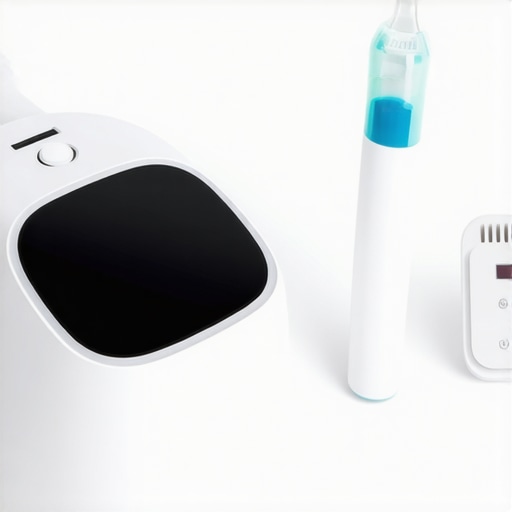
Enhanced digital tools help you maintain your smile’s integrity over years, ensuring your investments are protected with minimal effort.
Why Do I Need Proper Maintenance Routines?
Consistent care, paired with powerful tools, can make the difference between a smile that lasts and one that falters prematurely. For example, incorporating sonic toothbrushes with soft brush heads minimizes surface abrasion on veneers and ceramic restorations, as discussed in our top cosmetic dentistry tips. Regular professional check-ups complemented by these tools can detect early signs of deterioration, including micro-cracks or staining, which, if addressed promptly, preserve beauty and function.
How to Keep Your Results Looking Great for Years
Beyond daily routines, consider scheduling annual digital scans or 3D imaging sessions. These scans can verify the stability of implants, the integrity of veneers, or detect soft tissue changes that could signal underlying issues. The recent advancement in bio-ceramic veneer technology emphasizes the importance of biological compatibility, where ongoing monitoring ensures materials perform as expected over decades.
If you’re serious about long-term success, adopting these tools into your routine is a game-changer. Equip yourself with an ultrasonic cleaner, embrace AI-guided health apps, and stay connected with your dentist through digital scans. These investments in technology, paired with good habits, set you on a path toward a radiant, durable smile that stands the test of time. Remember, proactive maintenance is always more cost-effective and satisfying than reactive repairs. Take one step today—perhaps starting with a quality ultrasonic cleaner—and watch your confidence and oral health flourish.
Lessons from the Trenches: What I Wish I Knew About Protecting My Smile
One of the most valuable insights I’ve gained is that even the most advanced bio-resin veneers require our careful attention and mindful habits. I used to think that once I got veneers, maintenance was minimal—only regular brushing and check-ups. But I learned that small daily choices, like avoiding biting into hard foods or not clenching my jaw during stressful moments, can significantly extend the life of my veneers. A lightbulb moment came when I realized protecting my smile isn’t just about the materials used but also about intentional habits that support longevity. This personal lesson taught me to stay vigilant about habits I might overlook, ensuring my investment remains flawless.
Tools and Resources That Transformed My Approach to Dental Care
To safeguard my veneers, I rely on a few key resources. An ultrasonic dental cleaner, such as the XD200 Ultrasonic Cleaner, helps me maintain a pristine surface by removing plaque and debris deeply embedded in tight spaces, preventing early deterioration. I also use an AI-powered oral health app that syncs with my portable intraoral camera, enabling me to monitor subtle changes between visits—catching minor cracks before they become big problems. Additionally, regular visits to my dentist for digital scans provide peace of mind and early detection of wear or stress fractures, reinforcing the importance of combining technology with routine care to prolong the beauty and strength of my smile.
Your Next Step to a Radiant, Lasting Smile
The future of maintaining your dental investments lies in proactive, thoughtful habits and embracing modern tools. Whether it’s adopting the gentle brushing techniques I mentioned or integrating AI-driven monitoring into your routine, taking intentional steps today can ensure your smile stays stunning for decades. Remember, every small effort adds up—your smile’s durability depends on how you treat it daily. Don’t wait until signs of wear appear; start integrating these practices now and enjoy the confidence that comes with a resilient, beautiful smile.
What small habit will you change today to protect your veneers? Share your plans below—I’d love to hear what inspires you to keep your smile at its best!
**[Learn more about family dentistry tips](https://straightsmileortho.com/family-dentistry-tips-for-a-lifetime-of-healthy-smiles) or explore advanced bio-ceramic options [here](https://straightsmileortho.com/3-reasons-2026-invisible-veneers-beat-traditional-porcelain).**