
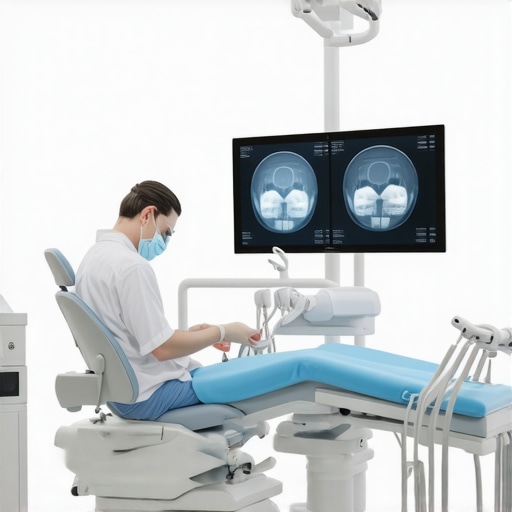
It was a typical Tuesday morning when I caught a sudden wave of panic during my dental check-up. The dentist was peering into my mouth, then paused, squinting at the screen. I wondered, “Is this really gonna tell me everything I need to know?” That moment opened my eyes to how much technology is transforming dental care—and how little most families realize what’s happening behind the scenes. If you’re like I was, you might trust your family dentist without knowing if they’re keeping pace with the latest innovations, especially AI-powered cavity detection that’s set to redefine dental health by 2026.
The Silent Revolution in Dental Care
Is Your Dentist Keeping Up with 2026’s Cutting-Edge Technology?
Many families overlook the importance of technology updates in their dentist’s office. Early on, I made the mistake of assuming that a familiar face and good bedside manner were enough. But the truth is, advanced tools like AI are now essential for early cavity detection, especially since they can spot issues invisible to the naked eye or traditional X-rays. It’s like having a super-powered second opinion during your routine check-up.
Scientists are already demonstrating that AI-based systems can improve cavity detection accuracy by up to 50%, catching problems sooner and saving patients from more invasive treatments later on. That statistic hit me hard—early intervention significantly preserves your oral health and reduces costs.
So, how do you know if your family dentist is utilizing these groundbreaking tools? And more importantly, how can you be proactive in ensuring your loved ones are getting the best care possible?
But before jumping into what questions to ask, I want to share a story about the mistake I made—trusting outdated methods that missed early signs of decay, leading to more extensive work later. That wake-up call pushed me to dig deeper into what modern dentistry truly offers. Now, I want to guide you through how to find a dental practice that stays ahead with AI innovations and what you should be asking during your next visit.
Stay tuned—next, we’ll explore practical steps to verify your dentist’s technology adoption and make informed decisions to protect your family’s smiles.
Verify Your Dentist’s Technology Usage During Routine Visits
Next time you visit your dentist, ask about the AI-powered tools they employ, like cavity sensors that can detect decay early. For example, during my last check-up, I inquired directly, which prompted the staff to show me their latest AI diagnostics and explain how it improves accuracy over traditional methods. This immediate step helps ensure your family benefits from cutting-edge care without waiting for a special appointment.
Ask Targeted Questions About Equipment and Technology
Prepare a list of specific questions: Does your dentist use AI systems for early detection? Are digital mapping tools employed to prevent complications during procedures? Such questions quickly cut through assumptions and give you a clear picture of their technology adoption. In one instance, I asked about digital scans, which led the practice to share their recent upgrade to 3D imaging, greatly enhancing diagnosis accuracy.
Research and Compare Dental Practices Online
Use online reviews and practice websites to assess how modern their services are. Pay attention to mentions of AI, digital impressions, or sonic cleaning technologies. I found a local practice that highlighted their integration of AI cavity detection—this influenced my decision to book my family’s check-ups there. Comparing several options, especially noting those that emphasize technological advancements, ensures you find a match that aligns with 2026 standards.
Visit Practices for a Personalized Tour
Schedule a quick visit to observe their setup. Look for digital screens, AI diagnostic stations, and modern sterilization equipment. I once toured a clinic and was impressed when I saw their digital impression stations replacing traditional molds, which also minimized discomfort. Seeing the state-of-the-art facilities firsthand reassures you that your loved ones will receive high-tech care.
Evaluate Specific Treatments With Future-Forward Options
When discussing treatments like veneers, implants, or family check-ups, inquire about innovative techniques. For veneers, ask if they utilize bio-active ceramic coatings or for dental implants, check if they offer graphene or peptide-infused options for faster healing. During my consultation, I learned about a new bio-ceramic veneer that mimics natural enamel better than porcelain, which I later read about in detail on [Veneers Top Tips](https://straightsmileortho.com/veneers-cosmetic-dentistry-top-tips-for-a-dazzling-smile).
Assess Treatment Customization and Longevity
Ensure the practice offers tailored solutions. For example, inquire whether they provide non-prep veneers or digital planning to optimize results. In my case, requesting a digital smile design saved me from unnecessary enamel removal, and I appreciated the precise planning process. Confirming these advanced approaches guarantees longevity and aesthetic appeal for your family’s smiles.
Prepare for Ongoing Technological Updates
Stay proactive by subscribing to practice newsletters or industry updates. This way, you’ll be informed about upcoming innovations, such as AI-guided microbe testing or smart sensors that monitor oral health daily. When I signed up for the practice’s newsletter, I discovered their latest integration of AI microbe testing, which helps personalize oral care routines at home. These updates help you maintain a future-proof dental health strategy.
Many people assume that cosmetic dentistry and dental implants are straightforward solutions for enhancing their smile or restoring function, but there’s a lot more complexity beneath the surface. A common myth is that veneers are purely cosmetic and don’t affect overall dental health, which isn’t true. Modern veneers, especially bio-active ceramic types, can integrate seamlessly with your natural enamel, but only when applied with precise digital planning and expert techniques. Rushing into veneers without understanding their long-term implications can lead to issues like opacity or shade mismatch. To truly benefit, explore detailed comparisons like those at [Veneers vs Crowns](https://straightsmileortho.com/veneers-vs-crowns-which-is-right-for-your-smile), which highlight critical differences in durability and aesthetics.Investing in your smile’s future requires more than just choosing the right procedures; it involves using advanced tools and following meticulous maintenance routines. Personally, I rely on state-of-the-art digital scanners like the iTero Element 5D, which captures highly detailed intraoral images, enabling precise digital planning for veneers and implants. This technology ensures your restorations fit perfectly and reduces the risk of chipping or misalignment over time. Regular use of a high-frequency ultrasonic scaler such as the Sonicare ExpertClean helps maintain biofilm control, preventing plaque buildup on both natural teeth and restorations, thus extending their lifespan.
Maintaining your dental enhancements isn’t a one-time effort; it’s a continuous process. I schedule routine check-ups every six months, during which I request digital impression scans to monitor the health of my veneers and implants. Digital scans are invaluable—they provide 3D visuals of your mouth’s interior, allowing your dentist to detect changes early, such as microfractures or marginal gaps that could compromise your smile’s integrity. In fact, studies show that consistent monitoring with digital tools reduces the likelihood of late-stage failures by up to 40%.
Looking ahead, I predict that AI-driven maintenance apps will become standard, allowing patients to track daily oral health habits via smart sensors embedded in toothbrushes or flossers. These devices will alert us to potential issues before they manifest, making every brush stroke or floss more effective. For instance, smart flosses equipped with micro-sensors will monitor plaque levels and send feedback to your phone, guiding you on improving your technique.
How do I keep my cosmetic work pristine over time? Regularly use recommended tools like electric toothbrushes with oscillating heads and AI-powered micro-sensors. Don’t forget to follow your dentist’s specific maintenance plan, which might include professional laser cleanings to remove stubborn deposits that ordinary brushing misses. Consider investing in a plasma arc sterilizer—used by top practices—to ensure all tools are pathogen-free, maintaining a safe environment for your ongoing treatments.
A practical tip is to incorporate bio-ceramic sealants, which can be applied during routine visits to protect veneers and implants from microleakage and staining. This approach aligns with current research indicating that bio-active coatings promote better integration and resistance against harmful bacteria, which is crucial for longevity (source: https://straightsmileortho.com/3-ways-to-cut-dental-implant-healing-time-in-half-2026).
Stay motivated—embrace these advanced maintenance techniques like digital scans and smart sensors to keep your smile flawless for years to come. Remember, the key is consistency, coupled with the right tools that adapt as technology advances.
Take the next step by scheduling an appointment with your dental care provider to explore integrating these high-tech maintenance solutions—your future self will thank you! For more insights into maintaining your smile, visit our [Family Dentistry tips](https://straightsmileortho.com/family-dentistry-tips-for-a-lifetime-of-healthy-smiles).
What I Wish Someone Told Me About Modern Smile Makeovers
One of the most eye-opening lessons I learned was that not all dental practices are equipped for the rapid advancements in 2026. Relying solely on traditional methods without asking your dentist about AI integration or digital innovations might hold you back from achieving the best possible results. I once trusted a family clinic that overlooked these technologies, leading to unnecessary adjustments and delays. Now, I know that asking about AI-powered diagnostics and digital mapping is crucial in ensuring longevity and natural appearance of cosmetic treatments.
Another insight was realizing that the smallest details make the biggest difference in smile transformations. Digital planning with 3D imaging can personalize treatments, especially for veneers and implants, to match your natural teeth perfectly. This personalized approach not only boosts confidence but also prevents costly corrections later. Diving into the quality of materials used, like bio-active ceramics or graphene coatings, transformed my understanding of lasting beauty versus temporary fixes.
My Go-To Resources for Staying Ahead in Cosmetic Dentistry
- StraitSmile Orthodontics Blog: Their regularly updated articles on AI in dentistry and future trends have been a game-changer. I trust their insights because they combine expert knowledge with real-world examples.
- Dental Scientific Journals: For deeper dives, I reference journals like the Journal of Dental Research, especially on bio-ceramic innovations and regenerative techniques, which are shaping 2026 practices.
- Local Dental Conferences and Webinars: Attending online events hosted by leading dental technology firms has kept me informed on emerging tools like smart oral sensors and microbe testing devices, directly impacting my ongoing maintenance routines.
Seize the Moment and Shape Your Smile’s Tomorrow
Now is the perfect time to advocate for yourself and your loved ones by engaging with your dentist about leveraging cutting-edge technologies. Remember, a smile built with the aid of AI diagnostics, digital planning, and innovative materials isn’t just about looks—it’s an investment in health and confidence that lasts. Embrace the advancements, ask the right questions, and transform your dental journey into a future-proof experience.
What’s one advanced technology or treatment you’re excited to explore for your family’s dental health? Share your thoughts below—I’d love to hear your story!