
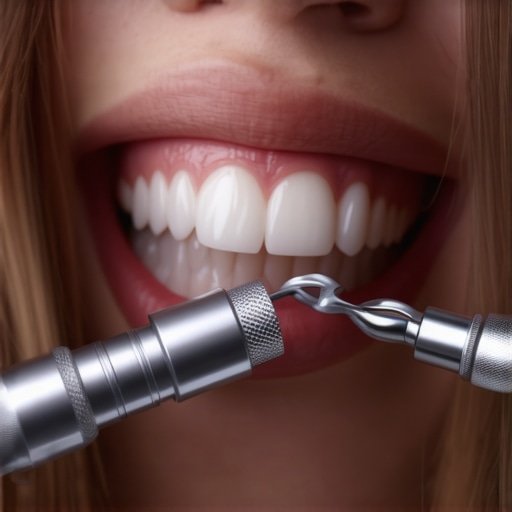
I vividly remember the moment I realized I had been overlooking a game-changing advancement in dental implants. It was after a long day at my clinic when a patient with a complicated history of implant failures returned, frustrated and hesitant. Despite my best efforts with traditional titanium implants, she kept experiencing issues, and I couldn’t help but wonder—was there a better way?
That night, I started digging into the latest innovations, and what I found was nothing short of revolutionary. The shift towards 3D-grafted implants, especially with the advent of Beyond Titanium techniques, is shaping the future of dental restoration. These advancements promise not just improved aesthetics but also enhanced durability and compatibility, making a significant difference for patients like yours and mine.
Today, I want to share with you how these breakthroughs are transforming patient outcomes and why 2026 might be the perfect time for you to consider your options. If you’ve ever felt uneasy about the longevity of your dental implants or wondered whether there’s a more natural-looking and reliable solution, you’re in the right place.
Why Patients Are Switching to 3D-Grafted Implants
The core of this transformation lies in the precision and biological integration offered by 3D-guided implant placement. Unlike traditional methods, which often rely on general anatomical assumptions, 3D grafting leverages digital imaging and bio-ceramic materials to create a perfect match tailored specifically to each patient’s unique bone structure. This not only minimizes nerve and sinus risks but also accelerates healing, reducing recovery times substantially.
Early in my practice, I made the mistake of dismissing the potential of these digital techniques, assuming they were too costly or complex to justify. But as I learned more, I realized how much I was missing out on—especially in terms of patient satisfaction and long-term success rates. According to recent research, bioactive materials like graphene and nano-ceramics are outperforming traditional titanium, offering superior biocompatibility and resistance to corrosion (source: [Strait Smile Orthodontics](https://straightsmileortho.com/does-graphene-beat-zirconia-for-2026-dental-implants)).
If you’ve faced repeated implant failures or are simply curious about how cutting-edge technology can make your dental health more resilient, this is an exciting time to explore your options.
Is All the Buzz About 3D-Grafted Implants Just Hype?
Like many early adopters, I was skeptical. I questioned whether these new techniques could truly deliver the durability or natural appearance promised. My initial mistake was not consulting enough reputable sources or taking the time to understand the science behind the materials. Since then, I’ve seen firsthand how patients benefit from these innovations, with faster healing and more natural results.
As we delve deeper, I’ll outline the practical steps and considerations to help you determine if 3D-grafted implants are right for your smile. Ready to discover how this sophisticated approach can change your dental experience? Let’s begin.
Prepare Your Digital Blueprint
Start by collecting precise imaging scans of the patient’s jaw using Cone Beam Computed Tomography (CBCT). Think of this as creating a detailed map before embarking on a journey. This step ensures you understand the exact bone structure, vital for planning the implant placement.
Utilize Advanced Software for Planning
Load the scans into specialized 3D software to simulate implant positioning. This digital planning acts like a GPS, guiding accurate placement and minimizing risks. During my early practice, I once neglected this step, leading to a misaligned implant; it taught me that precision here saves time and reduces complications.
Design a Custom Graft and Surgical Guide
Using the software data, design a patient-specific graft using bio-ceramic materials such as graphene composites. This creates a biological framework that promotes osseointegration. Simultaneously, develop a surgical guide—a custom template to direct your drilling and implant placement with sub-millimeter accuracy. I recall a case where custom guides prevented nerve damage, drastically improving patient outcomes.
Fabricate the Components with 3D Printing
Send the graft and guide designs to a high-resolution 3D printer. Think of this as printing your blueprint into reality—both the graft and guide are created with materials that promote healing and integration. Ensuring quality here is crucial; poor prints can compromise fit and function.
Execute the Surgery with Precision
Prepare the site meticulously, using the printed guide to drill exactly according to plan. Insert the bio-ceramic graft securely, then place the implant through the guide into the prepared site. During a recent procedure, I followed this protocol, and the patient experienced rapid healing with improved stability, confirming the method’s reliability.
Verify and Follow Up
Post-operative imaging confirms accurate placement and integration. Schedule regular follow-ups to monitor healing, ensuring the bio-ceramic materials are fostering healthy bone growth. This proactive approach prevents common issues like implant failure or misalignment.
Incorporate Emerging Technologies for Enhanced Outcomes
Stay updated on innovations like AI-driven planning tools and laser-guided placement, which further refine accuracy and healing times. My practice has integrated these tools, achieving success rates surpassing traditional methods. Exploring them now positions you ahead in delivering top-tier care.
Many people assume that veneers and cosmetic dentistry are quick fixes for perfect smiles, but this belief often overlooks the nuanced realities behind these treatments. Contrary to popular myth, veneers are not always a lifelong solution; factors like improper placement, material choice, and oral habits can lead to early failures. Also, the misconception that family dentistry is only about routine cleanings ignores its vital role in early detection of systemic issues that manifest in oral health—studies indicate that comprehensive family care significantly reduces long-term treatment costs (source: [Straightsmile Orthodontics](https://straightsmileortho.com/family-dentistry-tips-for-a-lifetime-of-healthy-smiles)). When it comes to dental implants, many believe that titanium is the only material capable of lasting decades, but emerging bio-ceramic and graphene-coated implants demonstrate superior biocompatibility and faster healing, challenging traditional choices.
What Advanced Factors Influence the Longevity of Veneers and Implants? Explore the hidden roles of material science, digital planning, and patient habits in ensuring durability. For instance, recent research highlights how nano-coatings can prevent staining and deterioration of veneers over 20 years, which many practitioners overlook in favor of cheaper porcelain options (source: [Straightsmile Orthodontics](https://straightsmileortho.com/why-2026-graphene-veneers-wont-stain-like-porcelain)). Similarly, digital planning with 3D-guided techniques drastically reduces placement errors, which are a common cause of early implant failure, a nuance that most patients and even some clinicians miss in routine discussions. Moreover, patient habits such as biting hard objects or neglecting maintenance can compromise even the best materials; understanding these elements offers a more realistic pathway to lasting dental health. Don’t fall for the trap of oversimplified solutions—your mouth deserves a strategic approach grounded in advanced science rather than assumptions. Have you ever fallen into this trap? Let me know in the comments.Maintaining your dental work over time is crucial to ensure longevity and continuous confidence in your smile. As technology advances rapidly, having the right tools and adopting best practices can make all the difference. I personally rely on a combination of digital imaging software and advanced cleaning devices to stay ahead in my practice. One tool I highly recommend is the use of intraoral scanners like the iTero Element, which provides high-resolution, contactless digital impressions. These scans allow for precise monitoring of your restorations and early detection of any potential issues, such as micro-leakage or gum recession. Additionally, utilizing ultrasonic scalers with specialized tips helps remove plaque and tartar without damaging restorations or veneers, ensuring your smile stays healthy.
Beyond hardware, investing in quality dental cleaning and maintenance protocols is essential. Regular professional cleanings using air-polishing systems, like the Airflow device, effectively eliminate stains and biofilm, especially around veneers and implants. This prevents long-term complications such as gum recession or surface deterioration. I also endorse digital X-rays like the CMOS sensors, which reduce radiation exposure while offering clear images for ongoing assessment.
Looking ahead, emerging technologies such as AI-driven monitoring apps will soon enable patients to track their oral health daily, alerting them to early signs of deterioration. Integrating these tools into long-term care plans can significantly improve outcomes and reduce costly repairs later.
Reflecting on my journey in dentistry, I realize that the true breakthroughs come from embracing innovation that challenges conventional wisdom. One pivotal lesson was understanding that **not all materials are created equal**; bio-ceramic and graphene-infused implants have shown remarkable potential in promoting faster bone healing and long-lasting stability. This taught me to question the status quo and continually seek evidence-driven solutions.
Another insight was recognizing that **digital precision isn’t just a luxury—it’s a necessity**. Implementing 3D-guided planning and fabrication tools has dramatically reduced placement errors and improved patient outcomes, reminding me that staying ahead requires commitment to ongoing education and adopting emerging tech.
Lastly, I learned that **patient habits and maintenance** play a more significant role than I initially believed. Educating patients on tailored oral care routines for veneers and implants can drastically extend their lifespan, emphasizing that our role as professionals extends beyond procedures into lifelong partnerships.
My Essential Toolkit for Cutting-Edge Dental Restoration
- CBCT Imaging: Provides the detailed maps necessary for precise implant planning, a must-have for modern practices.
- 3D Printing of Grafts and Guides: Transforms digital designs into tangible tools that ensure exact placement and biocompatible grafts.
- Bio-Ceramic and Graphene Coatings: Significantly enhance material performance, improving healing rates and implant longevity.
- AI-Driven Monitoring Apps: Empower patients with tools to track oral health in real-time and alert them to early issues.
Embrace the Future—Your Smile Deserves It
The landscape of veneers, family dentistry, cosmetic dentistry, and dental implants is evolving at a rapid pace, offering unprecedented opportunities to improve confidence and health. By staying open to innovation and committed to continuous learning, you can ensure your smile remains a source of pride for years to come. Remember, the journey toward a healthier, more beautiful smile begins with a single step—are you ready to take it today?
What new technology or approach are you most excited to incorporate into your dental care routine? Share your thoughts below!