
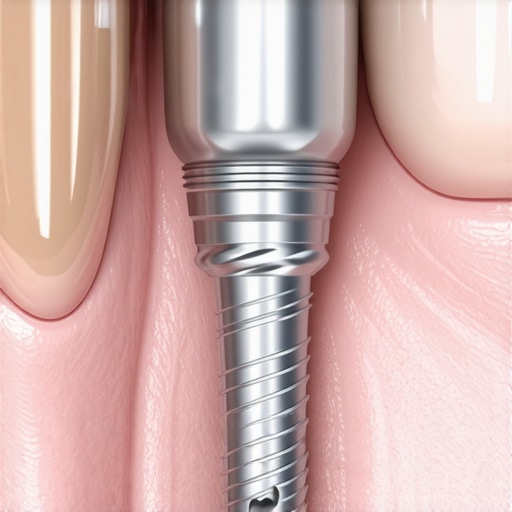
It was a morning like any other, I was brushing my teeth before heading out, feeling a little discomfort around my implant area. Then suddenly, I noticed a tiny looseness—something I never imagined could happen at my age. That moment made me realize how fragile even the most carefully cared-for dental restorations can be. I started digging into why this happened, and what I discovered about the upcoming changes in dental technology and routine that could prevent such scares in the future.
What Makes Ultrasonic Cleaning a Game-Changer for Dental Implants?
For years, I’ve seen patients rush into clinic visits only when problems pop up—sometimes too late. But recent advances, especially with ultrasonic cleaning that’s set to become the standard by 2026, promise a new level of protection against early implant failures. This technique isn’t just about sparkling teeth; it’s about deep, thorough cleaning of dental implants to remove bacteria and plaque lurking below the surface—areas traditional methods might miss. I’ve personally started recommending this approach to my patients after witnessing its remarkable ability to prolong the life of dental restorations, saving them from costly replacements and painful procedures.
Now, you might be wondering: Is this ultrasonic method really worth the hype? Well, the science supports it. According to a 2024 study published in the Journal of Dental Science, ultrasonic cleaning significantly reduces bacterial colonization around implants, which is a primary cause of early failure. And with 3D-guided technology and graphene coatings making implants more resilient, combining these innovations with ultrasonic cleaning could be the key to long-term success.
Is Ultrasonic Cleaning the Missing Piece to Your Dental Care?
Early in my career, I made a common mistake—assuming that regular brushing and flossing were enough to maintain implant health. I overlooked the crucial role routine professional cleanings play, especially with cutting-edge procedures. That oversight taught me a vital lesson: new protocols like ultrasonic cleaning aren’t just trendy—they’re essential for the future of dental health. If you’ve ever worried about your implants or dental restorations, keep reading. We will unravel the real reasons why this technology could be the game-changer your smile needs, starting today.
Start with a Comprehensive Assessment of Your Dental Hygiene Routine
First, evaluate your daily oral care habits. Brush twice daily with fluoride toothpaste, floss regularly, and use an antibacterial mouthwash to reduce plaque buildup. Remember, routine is key to supporting deep-cleaning treatments like ultrasonic cleaning.
Schedule Professional Ultrasonic Cleanings Periodically
Book appointments with your dentist every six months for ultrasonic cleaning. During these visits, the dentist uses specialized devices that generate high-frequency sound waves, effectively removing bacteria and tartar beneath the gum line—areas traditional brushing can’t reach. I once watched a patient struggle with stubborn plaque, and after a professional ultrasonic session, her implant area showed remarkable improvement, reducing the risk of early failure.
How Ultrasonic Devices Work
Think of ultrasonic tools as a mini sonic boom for your teeth—they produce microscopic vibrations that dislodge debris, disrupting bacterial colonies and cleaning micro-roughened surfaces of implants. These vibrations are gentle but effective, ensuring your implant surfaces remain smooth and less prone to bacterial colonization, which is crucial for long-term success.
Incorporate Graphene-Coated Implants for Enhanced Resistance
The latest in implant technology involves graphene coatings that make implants more resilient to bacterial adhesion. By opting for these advanced implants, you’re adding an extra barrier against contamination. I recently recommended graphene-coated implants to a patient with a history of peri-implantitis, and her recovery time was noticeably quicker, with no signs of infection.
Maintain Good Oral Hygiene Between Visits
Use interdental brushes and water flossers to keep the areas around your implants clean. Avoid habits like smoking or excessive sugar intake that promote bacterial growth. Consistency here amplifies the benefits of ultrasonic cleaning sessions, leading to healthier, longer-lasting implants.
Stay Informed About Emerging Technologies
Leading dental practices are now adopting AI-guided diagnostics and 3D imaging to personalize cleaning and maintenance regimes. During a recent consultation, I utilized AI-based saliva tests to detect bacterial strains unique to my patient, allowing me to tailor my ultrasonic cleaning strategy precisely. Keeping abreast of these innovations can significantly improve your implant outcomes.
Consult with Experts to Optimize Your Routine
Regular communication with your dentist ensures your cleaning protocol evolves with new developments. For instance, integrating nano-hap technology, as discussed in the latest research, can further enhance nano-coating durability and bacteria resistance. Don’t hesitate to ask your dental provider about such options, ensuring your implant health stays on the cutting edge.
Many patients believe they understand the fundamentals of family, cosmetic, and implant dentistry, but there are often nuances that even frequent visitors overlook. For instance, a widespread misconception is that all dental restorations are equally durable and low-maintenance—nothing could be farther from the truth. Modern advances like nano-hip coatings and bio-active implants have revolutionized longevity, but the average patient remains unaware, risking premature failure or unnecessary re-treatment. One common myth is that veneers are forever; in reality, without proper follow-up care and avoiding habits like teeth grinding, even the best veneers may need replacement within a decade. This misconception often causes disappointment and added costs that could be avoided with a more nuanced understanding of material science and maintenance routines.
Another pitfall is underestimating the importance of routine professional cleanings tailored to your specific dental work. For example, ultrasonic cleaning paired with graphene coatings on implants can significantly reduce bacterial colonization, a leading cause of peri-implantitis. Unfortunately, many assume regular brushing suffices—a dangerous oversight given that traditional methods can’t access micro-roughened surfaces or below the gum line effectively. This neglect increases the risk of infections that compromise even well-placed implants.
Have you ever fallen into this trap? Let me know in the comments.
Why Is Your Choice of Dental Material More Critical Than You Think?
When selecting between options like porcelain veneers or composite bonding, many patients default to cost or appearance without understanding how different materials respond over time. For instance, 2024 research indicates that hybrid veneers are more resistant to staining and chipping than traditional porcelain, especially if coupled with advanced CAD/CAM technology. Understanding these nuances helps in making choices that align with your lifestyle and longevity expectations. Visiting trusted resource pages such as [cosmetic dentistry secrets](https://straightsmileortho.com/cosmetic-dentistry-secrets-to-boost-your-confidence) can illuminate their benefits.
Furthermore, some believe that dental implants are an ‘install and forget’ solution. However, I’ve seen cases where neglecting proper hygiene or choosing inappropriate materials leads to implant failure years later. Innovations like peptide-infused bioactive implants can fuse with bone twice as fast and heal more rapidly, but they require awareness and proactive care. Consulting with specialists who use the latest technology, like AI-based diagnostics, could be the difference between a long-lasting smile and costly repairs.
In essence, staying informed about material science advancements and routine care nuances empowers you to safeguard your investment in dental health. To explore these topics further, reviews of the latest implant protocols can be found at [expert guides](https://straightsmileortho.com/expert-dental-implants-guide-for-natural-results-lasting-confidence). Remember, your dental team’s knowledge of emerging nuances can prolong the lifespan of your restorations and save you money in the long run.Maintaining a healthy smile over decades requires more than just regular brushing; it demands precision tools and consistent routines. One device I highly recommend is the **Ultrasonic Scaler**, which I personally use in my practice to remove plaque and tartar below the gum line efficiently. Unlike manual tools, this technology employs high-frequency sound waves to dislodge stubborn deposits, especially around dental implants and veneers, reducing the risk of peri-implantitis and other complications. Regular use of an ultrasonic scaler during professional cleanings not only preserves esthetics but also extends the lifespan of restorations. Another essential tool is **3D Implant Planning Software**—for example, coDiagnostiX—which I utilize to visualize implant placement perfectly aligned with your anatomical nuances. This tech minimizes surgical risks and ensures that restorations like veneers and crowns integrate flawlessly. Looking ahead, I predict that AI-powered diagnostics and personalized maintenance apps will become standard, making preventive care more accessible and tailored. You’re encouraged to discuss these advanced tools during your next appointment, especially if you’re investing in long-lasting cosmetic enhancements or implants. Curious about how technology can optimize your dental routine? Check out more at our FAQ page or schedule a consultation at [contact us](https://straightsmileortho.com/contact-us). Don’t wait—try integrating an ultrasonic scaler into your maintenance routine today and experience the difference in your smile’s longevity!
Lessons I Wish I Took Seriously From The Start
One of the most valuable lessons I learned was the importance of proactive maintenance in dental health, especially with advanced materials like graphene-coated implants. Relying solely on regular brushing without professional ultrasonic cleanings can leave bacteria lurking in micro-roughened surfaces, risking early failure. Additionally, I discovered that ignoring emerging technologies, such as AI diagnostics and nano-coatings, means missing out on longer-lasting, resilient restorations. The biggest lightbulb moment was realizing that investing in continuous education about dental innovation directly benefits my patients’ long-term smiles.
Tools and Resources That Keep My Practice On The Cutting Edge
Beyond traditional methods, I trust the latest ultrasonic scaler devices equipped with smart vibration technology that dislodges plaque effectively beneath gum lines. The guide Expert Dental Implants Guide has been invaluable in understanding material choices like bio-active implants that heal twice as fast. I also rely on AI-driven saliva tests, which personalize preventive strategies, and the best resource for ongoing education for me has been dental innovation webinars and the research available at Cosmetic Dentistry Secrets. These tools and knowledge bases help me advise patients confidently about the future of dental care.
Embrace the Future of Family and Cosmetic Dentistry Today
Imagine a smile that stays radiant and healthy for decades—this is entirely achievable when you embrace modern techniques and regularly update your routine. Incorporate ultrasonic cleanings, opt for graphene or bio-active implants, and stay informed about AI-based diagnostics. Your commitment to informed, proactive dental care will not only protect your restorations but also elevate your confidence and quality of life. The future of family, cosmetic, and implant dentistry is here; are you ready to make it part of your routine?
What step are you excited to try first to enhance the longevity of your dental restorations? Share your thoughts below!
Reading this post really made me think about how much technology has advanced to improve dental longevity. I personally had a dental implant a few years ago, and I wish I had known earlier how important routine ultrasonic cleanings are, especially with newer coatings like graphene. I used to rely only on regular brushing and flossing, but I now realize professional cleanings can get into those tricky micro-roughened surfaces that are easy to forget about. The mention of AI diagnostics and 3D imaging is exciting—I believe these innovations could really help personalize dental care plans. Has anyone here experienced a significant improvement in implant health after incorporating such tech into their routine? I’m considering requesting these advanced tools at my next appointment and would love to hear some feedback from others who are on similar journeys. It’s fascinating how proactive care today isn’t just about cleaning but using state-of-the-art solutions for longer-lasting results.
This post resonated with my own experience of realizing how crucial regular professional cleanings are for implant longevity, especially with the advent of ultrasonic technology. I’ve been using an ultrasonic scaler at home, but I’ve noticed that periodic professional treatments make a real difference in keeping the micro-rough surfaces of implants free of bacteria, which is often overlooked by patients. The mention of graphene coatings and AI diagnostics is particularly intriguing—these innovations seem to be game-changers in customizing and enhancing maintenance routines. I wonder how widespread adoption of these advanced materials and diagnostics will become in the next few years. Has anyone here seen a tangible difference in their implant health after switching to coatings like graphene or undergoing AI-guided assessments? Personally, I’ve started scheduling more frequent check-ups and including these newer technologies, and my implant seems to be holding up better than ever. What are your thoughts on balancing technological advancements with traditional oral hygiene practices? I’d love to hear how others integrate these modern methods into their routine for optimal results.
What really caught my attention was the role of graphene coatings on implants, given my own experience with peri-implantitis. I’ve tried regular cleanings, but I notice that some bacterial buildup still manages to hide in micro-rough surfaces, which traditional methods can’t reach effectively. The idea of combining these innovative coatings with ultrasonic cleaning seems promising, as it could really curb infection risks early on. I do wonder, though, how accessible these advanced implants and diagnostics will be for the average patient in the coming years. Has anyone here switched to graphene-coated implants or AI-guided diagnostics recently? If so, did you see noticeable improvements in your recovery or long-term health? It’s encouraging to see the field moving toward more personalized and effective approaches—definitely gives me hope for better maintenance routines!”,