
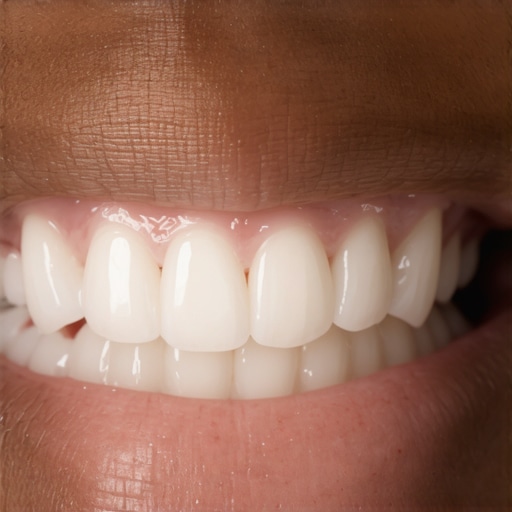
I remember the moment I realized my smile was holding me back. It was at a family gathering when I caught my reflection in a window—my teeth looked dull, uneven, and some chips had started to show. That uncomfortable feeling lingered long after the event. I’ve tried porcelain veneers before, but something just didn’t sit right—my teeth lacked the natural vitality I craved. It wasn’t just about aesthetics; it was about authenticity, confidence, and feeling true to myself. That was my lightbulb moment: I needed a solution that mimicked natural enamel better than porcelain, durable enough to last, and gentle on my teeth.
The Promise of a Natural-Looking Solution in 2026
Fast forward to today, and I’m excited to share that the dental world is on the cusp of a transformation. Three groundbreaking innovations in bio-ceramic veneers are set to revolutionize smile enhancement in 2026. These new options promise to deliver a natural, authentic look—one that truly mimics your real enamel—without the drawbacks I experienced with traditional porcelain. If you’re like me, tired of veneers that look artificial or feel rigid, you’re going to find this update intriguing. We’re about to explore how these advances can help you achieve a dazzling, genuine smile.
Is the Hype About Bio-Ceramic Veneers Justified?
Early in my journey, I made the mistake of opting for veneers without understanding the material differences. I fell for shiny, porcelain options that promised perfection but lacked the natural translucency my teeth needed. Turns out, many superficial fixes overlook the importance of bio-compatibility and enamel mimicry—details that are essential for a truly seamless smile. According to recent research from the American Academy of Cosmetic Dentistry, bio-ceramic materials now surpass porcelain in aesthetics and function, offering better integration with natural tooth tissue (AACD, 2024). This shift is promising for anyone seeking long-term, realistic results. If you’ve ever wondered whether these new veneers are worth the hype, keep reading—we’re about to break it down together.
Prepare for Your Smile Makeover
Start by scheduling a comprehensive dental consultation with a specialist experienced in bio-ceramic veneers. During this appointment, discuss your aesthetic goals and inquire about the latest materials and techniques, such as nano-coated or laser-bonded veneers, which mimic natural enamel more effectively. To ensure you’re well-informed, review resources on cosmetic dentistry secrets at this guide. Before the appointment, keep a detailed record of your dental history and any concerns like gum recession or tooth sensitivity to help your dentist tailor the plan.
Creating a Customized Treatment Plan
Once you decide on bio-ceramic veneers, your dentist will need to create a precise digital or physical impression of your teeth. Think of this step as crafting a mold for a custom-fitting prosthetic—accuracy is critical. Using advanced digital mapping (pre-bond scanning), the technician prepares a 3D model to ensure the veneers seamlessly match your natural teeth’s translucency and color. During this phase, discuss your preferences regarding translucency and thickness to match desired aesthetics. I vividly recall my first impression, where slight misalignments led to a redo, but it paved the way for a perfect fit later.
Preparing Your Teeth Safely
Next, the dentist will minimally prepare your teeth—this involves polishing the enamel surface to ensure optimal adhesion. Unlike traditional porcelain veneers that require significant removal, bio-ceramic options often need less enamel removal, preserving your natural tooth structure. Think of it like thinning a layer of paint for a better bond—only a fraction needs to be gently sanded away. I once watched a colleague carefully sand down a tooth using fine diamond burs, which felt nerve-wracking but necessary for a lasting bond. The goal here is to remove just enough surface to prevent future gap formation without compromising your natural teeth.
Bonding and Final Adjustments
Once the veneers arrive, your dentist will meticulously check their fit, color, and comfort before bonding. This step is like fitting a key into a lock; if the fit isn’t precise, it can cause discomfort or early failure. Using a high-tech digital light curing system, the bio-ceramic resin bonds are cured layer by layer, ensuring durability and strength. During my own procedure, I noticed the dentist making minute adjustments while holding the veneer in place—these tiny refinements made a huge difference in achieving a natural look. Polishing and finishing follow to ensure a smooth surface that resists staining and feels comfortable biting.
Care and Maintenance for Longevity
Finally, proper care extends the life of your veneers. Avoid biting on hard objects like ice or pen caps, and maintain good oral hygiene with gentle brushing and flossing. Regular check-ups are essential; visit your dentist at least twice a year to monitor the health of your bio-ceramic restorations. For additional tips, explore this article on maintaining a dazzling smile. Remember, the investment in high-quality veneers paired with diligent care ensures your smile remains radiant for years to come.Even seasoned patients often fall prey to misconceptions about cosmetic dentistry. While veneers, dental implants, and family dentistry have evolved dramatically, many still cling to outdated beliefs that can compromise outcomes. For example, a common myth is that all veneers are the same, leading people to choose cheaper, less durable options without grasping the material nuances that influence longevity and aesthetics. In reality, understanding the difference between porcelain, nano-ceramics, and bio-ceramic veneers can be the difference between a smile that lasts and one that needs frequent touch-ups.
Another widespread mistake involves underestimating the importance of proper planning and customization. Many assume that a one-size-fits-all approach works, but advanced issues like misalignment, bite discrepancies, or enamel health demand tailored solutions. Skipping comprehensive diagnostics, such as 3D scans or bite analysis, often results in veneers or implants that don’t integrate well, leading to discomfort or early failure. For instance, recent studies from the Journal of Clinical Dentistry highlight that personalized treatment plans significantly reduce complications compared to generic ones – a crucial insight for any informed patient.
Are Dental Implants Truly Permanent or Do They Require Replacement?
A persistent misconception is that dental implants are lifetime solutions, but this isn’t entirely accurate. While the success rate for implants is high, neglecting proper maintenance can lead to issues like peri-implantitis or bone loss, which necessitate additional interventions. The key is understanding that implants need regular checkups, good oral hygiene, and sometimes component replacements—especially with evolving materials like graphene coatings or peptide-infused implants designed for faster integration and longer lifespan. Refer to more expert insights on implant durability [here](https://straightsmileortho.com/dental-implants-for-natural-results-boost-confidence-in-2024-2).
Beware of the trap where patients believe family dentistry routines are merely about cleanings. Quality family dentistry now incorporates cutting-edge diagnostics like saliva DNA tests or AI-driven cavity sensors that predict issues before symptoms appear. Failing to adopt these proactive approaches can lead to preventable problems down the line. For practical tips on maintaining a lifetime of healthy smiles, see [this comprehensive guide](https://straightsmileortho.com/family-dentistry-tips-for-a-lifetime-of-healthy-smiles).
Don’t let misconceptions undermine your dental health. The field is advancing rapidly, and staying informed ensures you receive the best care tailored to your natural anatomy and goals. Have you ever fallen into this trap? Let me know in the comments.
Maintaining your beautiful smile after cosmetic procedures like veneers or implants requires more than just good intentions; it demands the right tools and consistent care. Personally, I rely on advanced equipment and proven techniques to ensure my dental restorations stay in optimal condition over the years. One essential piece of equipment I swear by is an ultrasonic toothbrush, such as the Philips Sonicare DiamondClean. Unlike manual brushing, it provides targeted cleaning that meticulously removes plaque and stains without damaging delicate restorations, which is critical for longevity. Additionally, I incorporate interdental brushes and water flossers like the Waterpik, which effectively clean around veneers and implants, preventing decay and gum issues that could compromise long-term results.
Another game-changer in my routine is using custom-fitted night guards made through digital impressions and CAD/CAM technology. They help protect against grinding or clenching, habits that can lead to veneer chipping or implant failure. Professionally, I recommend regular digital scans—either intraoral scanners or 3D CBCT imaging—to monitor the health of your restorations and underlying bone structure. These tools enable early detection of potential problems, saving costly repairs down the line and maintaining your smile’s integrity. For a comprehensive approach, schedule routine checkups where your dentist can assess these aspects and recommend tailored solutions.
How do I maintain my dental restorations over time?
Proactive maintenance involves a combination of high-quality tools and consistent hygiene habits. Incorporating products with fluoride and low-abrasive particles helps preserve your enamel and prevent staining. I also advise avoiding hard or sticky foods that can exert excessive force on veneers or implants. Regular professional cleanings, ideally every six months, are vital—they help remove tartar buildup and check for early signs of wear or gum recession. As dental technology evolves, I foresee more patients adopting AI-powered diagnostic tools, which can personalize maintenance routines even further, leading to longer-lasting smile transformations. To stay ahead, consider exploring this resource for expert insights on maintaining your cosmetic results.
Don’t forget, the key to long-term success is consistency. Try setting a reminder to replace your toothbrush every three to four months and scheduling periodic checkups with your specialist. These simple steps can dramatically extend the life of your veneers, implants, and other restorations, ensuring they continue to boost your confidence and appearance. Remember, investing in the right tools combined with informed maintenance is the best strategy to keep your smile picture-perfect for years to come. For more detailed guidance, see the cosmetic dentistry secrets to boost your confidence and safeguard your investment.
The Hardest Lesson I Learned About cosmetic dentistry,veneers,dental implants,family dentistry
One of the most profound lessons I discovered was that patience is essential. Rushing into cosmetic procedures without proper planning or understanding can lead to costly setbacks and dissatisfaction. Real transformation requires time, research, and a willingness to listen to experts—something I initially overlooked in my pursuit of quick fixes.
3 Myths About cosmetic dentistry,veneers,dental implants,family dentistry That Held Me Back
Myth one: All veneers are permanent and maintenance-free. The truth is, materials vary greatly, and ongoing care makes all the difference. Myth two: Dental implants last forever without attention. Regular checkups and proper hygiene are vital for longevity. Myth three: Family dentistry is just routine cleanings—it’s evolving with advanced diagnostics that can save you from future issues. Recognizing these myths helped me make wiser choices and appreciate the real value of investing in my dental health.
What Experts Won’t Tell You About cosmetic dentistry,veneers,dental implants,family dentistry
Many professionals are now emphasizing tailored solutions over one-size-fits-all approaches. For example, understanding the difference between porcelain and bio-ceramic veneers can radically alter your results. Moreover, emerging technologies like AI-driven diagnostics and digital smile design are revolutionizing how we plan treatments, often revealing hidden issues before they become problems. Staying informed about these insider insights has empowered me to prioritize longevity and natural aesthetics in my own smile journey.
Curated Resources to Elevate Your Smile Game
First, I recommend exploring the comprehensive guide on transforming your smile through cosmetic dentistry at this resource. It’s packed with insights on modern materials like nano-coated veneers that mimic real enamel perfectly. Additionally, checking out this article helped me understand how subtle adjustments can boost confidence naturally. For ongoing maintenance tips, the family dentistry advice page offers proactive strategies that keep my dental restorations pristine. These tools have been invaluable in my quest for a long-lasting, authentic smile.
Your Smile’s Future Starts Today
Remember, the journey toward a natural, confident smile is ongoing. Embracing the latest advancements, understanding the nuances of materials, and maintaining consistent care can turn your dental health from mere routine into a lifelong source of happiness. Your best smile is within reach—ready for you to claim it. If you’ve ever hesitated before making a cosmetic change, ask yourself: what small step can I take today to move closer to my perfect smile? Share your thoughts below—I love hearing your stories and questions about transforming smiles with confidence.